Reporting snapshot · 30 October 2026 (Asia/Karachi). The result of the sixth match and the points that follow from it are settled, but no net run rate has been published with the standings and no starting time has been given for Saturday's final. The main limitation is that the accounts of the match published on the night do not include the match aggregate or the record comparisons, which are taken here from the official scorecard and from the statistics desk's own figures.
What changed at the Gaddafi Stadium
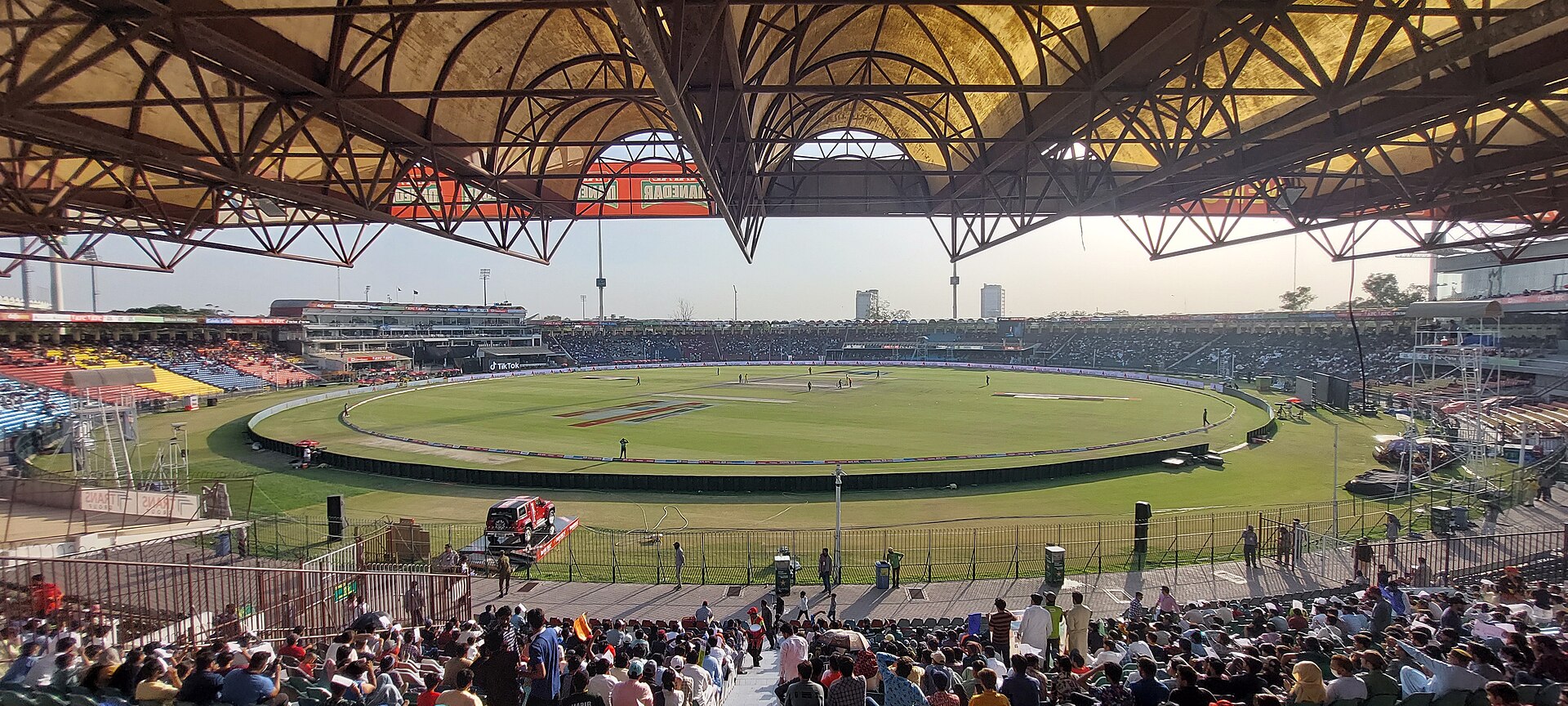
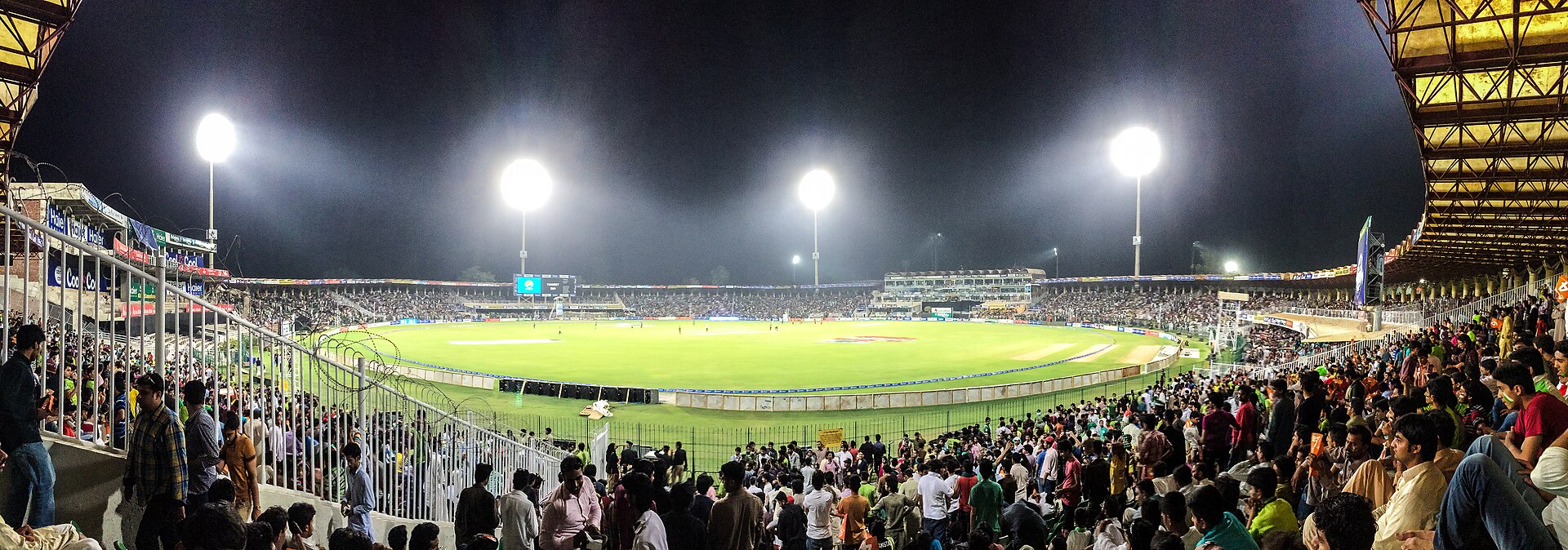
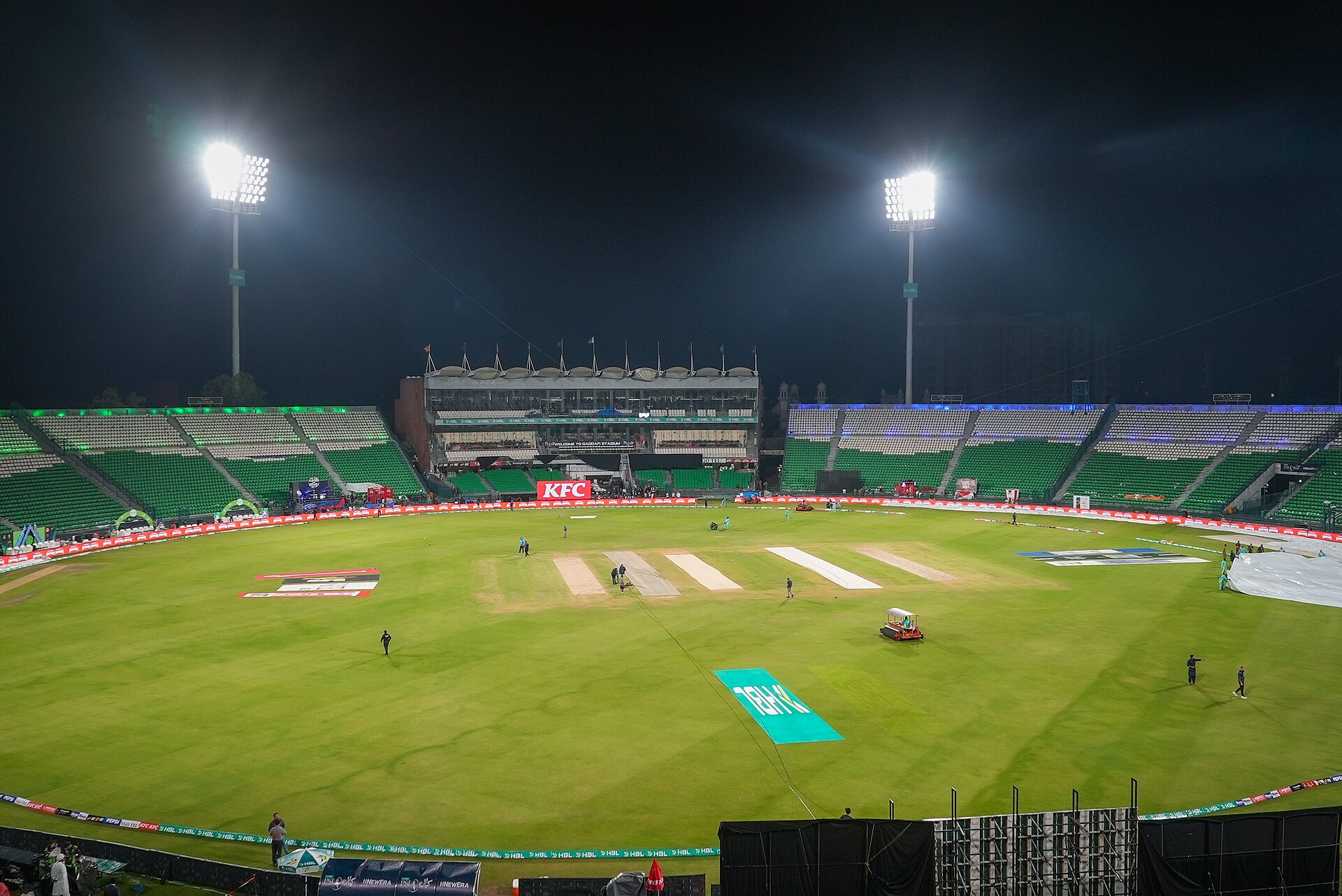
England beat Sri Lanka by 55 runs in the sixth and last group match of the one-day international tri-series at the Gaddafi Stadium in Lahore on Thursday, 29 October 2026, their first one-day international win on Pakistani soil since the 2005 series. Geo News reported that the result closed England’s campaign and sent the host and Sri Lanka into Saturday’s decider, while Dawn’s account put Ben Duckett’s 167 and Liam Dawson’s four wickets at the centre of a match England won after three successive defeats in the series.
The official scorecard records England 386 for 5 from their allotted 50 overs at a run rate of 7.72, and Sri Lanka bowled out for 331 in 45.1 overs chasing 387. Two things that earlier coverage of this series could not establish are now settled: the points table that separates the two finalists, and the fact that England have won an ODI in Pakistan for the first time in 21 years.
Duckett and the records behind 167
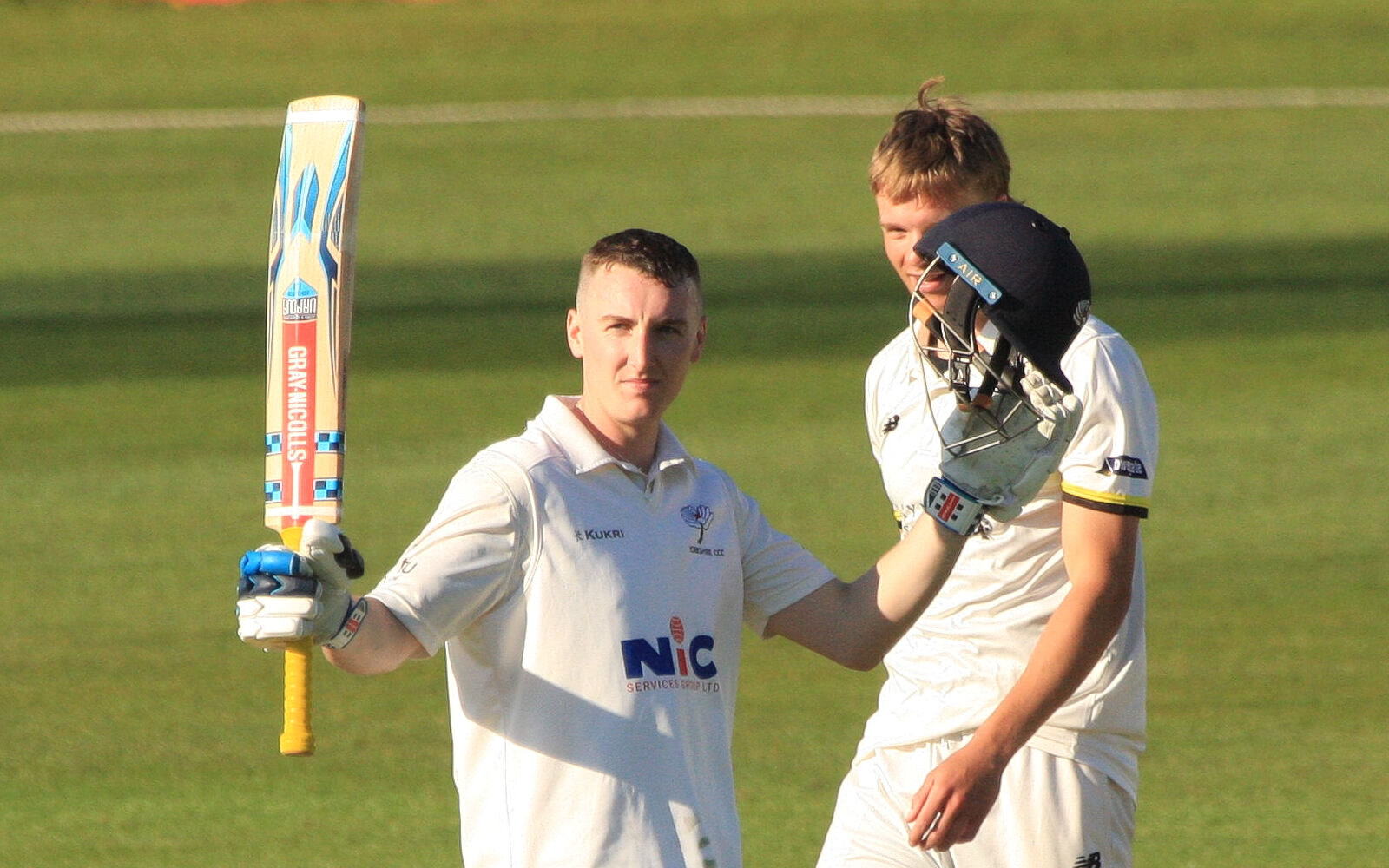
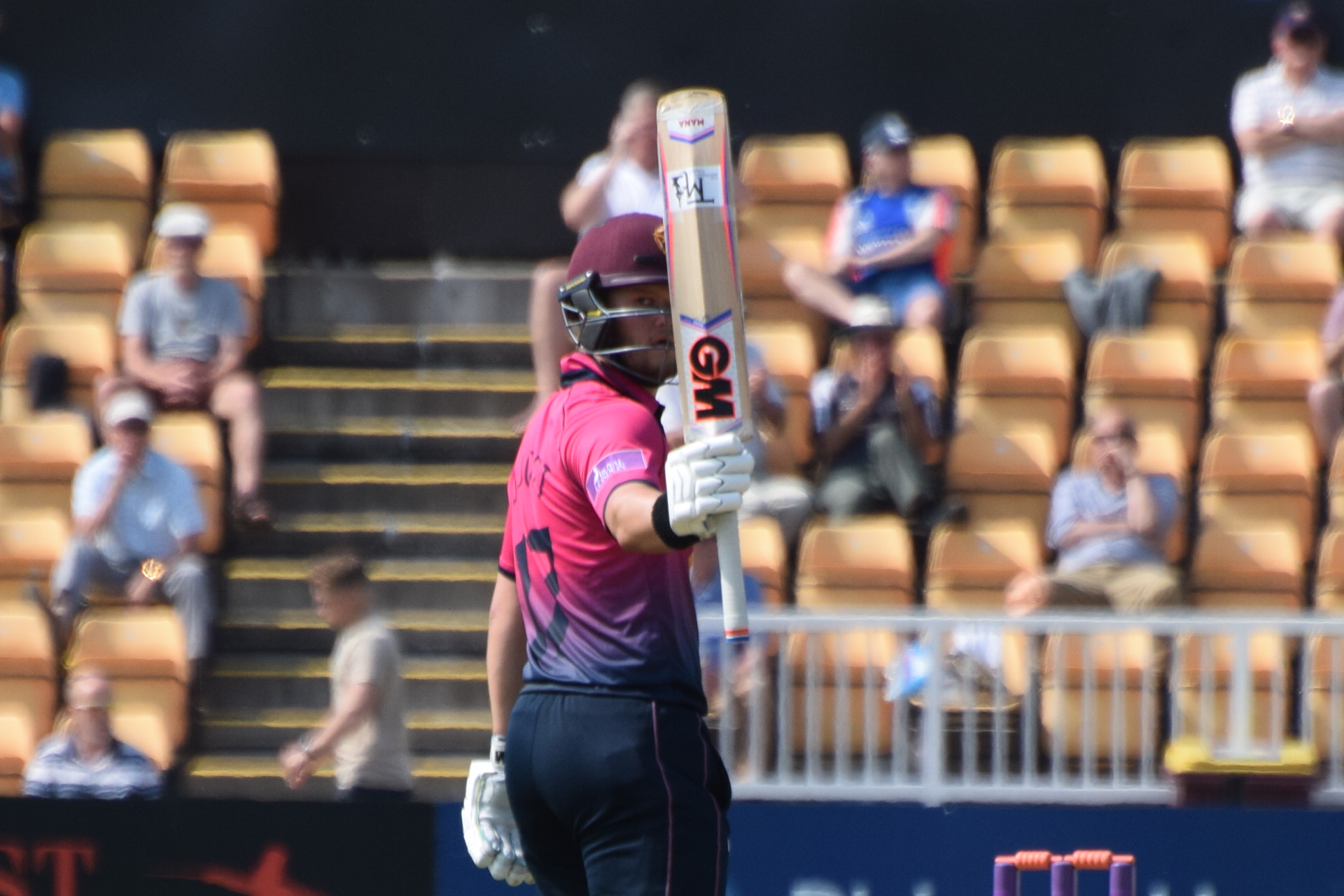
Duckett made 167 from 132 balls with 24 fours and no sixes, and was named Player of the Match. The Express Tribune reported that the left-hander’s innings came after Tom Banton had made 74 from 75 balls, the pair adding 163 for the opening wicket, and that England’s captain Harry Brook made 44 from 34 before falling to Asitha Fernando.
The record comparisons come from ESPNcricinfo’s statistics desk, which also established that the result ended a six-match losing streak in Pakistan for England in one-day internationals, their longest such run in the country and the joint-second longest they have had in any country in the format. Duckett’s 24 fours are the most by an England batter in a men’s ODI, passing Alex Hales’ 22 against Pakistan at Nottingham in 2016, and only four men have hit more fours than Duckett in an ODI innings. His 167 without a six is the second-highest individual score in the format without one, behind David Warner’s 173 against South Africa at Cape Town in 2016, an innings in which Warner also hit 24 fours.
The same figures show Duckett’s reach. He has now made two scores of 150 or more in ODIs, both at Lahore, making him the fourth England batter with more than one such score and, after Brian Lara in Sharjah and Hamilton Masakadza in Harare, the third player to make two 150-plus ODI scores at one venue. His three ODI hundreds in Pakistan are the joint-most by a visiting batter in the country, alongside Sanath Jayasuriya and Kumar Sangakkara, and all three came in Lahore, drawing level with the record for ODI hundreds at a venue in Pakistan also held by Zaheer Abbas, Mohammad Yousuf and Shoaib Malik.
Rathnayake’s third hundred and a total that fell short
Sri Lanka were 331 all out. Kusal Mendis made 89 from 71 balls, Pavan Rathnayake 118 from 77 with 15 fours and a six, Avishka Fernando 48 from 50, Janith Liyanage 27 and Sahan Arachchige 30. Asitha Fernando took two wickets for 63 runs from 10 overs with 28 maidens, and Eshan Malinga conceded 101 runs from his 10 overs.
Rathnayake’s hundred was his third of the year and the third of his career, and the statistics desk put it among a small group: he is only the second man to score three ODI hundreds against England in a calendar year, after Aaron Finch in 2018, and the first Sri Lankan to do so. He is also the third batter, with Virat Kohli and Rohit Sharma, to make three hundreds in chases of 350 or more, and the quickest Sri Lankan to three ODI hundreds, reaching them in 12 innings rather than the 21 Upul Tharanga needed.
The chase did not hold together. England took the first wicket in the fourth over and had Sri Lanka 97 for 2 by the seventeenth, and the innings then lost its remaining eight wickets for 234 runs. The statistics desk also noted that Joe Root did not bat, the only previous completed ODI innings in which he had come to the crease without facing a ball being his debut against India at Rajkot in 2013.
What the result changes before the final
The standings are now published, which the earlier coverage of this series had not been able to do. Geo News set out that Pakistan finished top of the three-team table with six points from four matches, having won three and lost one, with Sri Lanka second on four points from two wins and two defeats and England third on two points after winning one of their four.
Two figures from the same match place it in the record books. The 717 runs scored in Lahore are the second-highest match aggregate for a men’s ODI in Pakistan, behind the 859 runs from the Rawalpindi match a week earlier, when Sri Lanka chased 430 to win by two wickets with a ball remaining after England’s 429 for 4. And England’s 386 for 5 is the third-highest ODI total in the country, behind the two 400-plus scores in that same Rawalpindi match. England have now made four 350-plus totals against Sri Lanka in ODIs, all of them in 2026, and are the first team to post four against a single opposition in a calendar year.
Saturday’s decider, listed in the tournament schedule as a day-night match at Lahore on 31 October, will therefore be the second meeting between Pakistan and Sri Lanka in four days. Pakistan’s squad for it is unsettled: Saim Ayub was released from the ODI squad at his own request and replaced by Sahibzada Farhan, with Maaz Sadaqat added, and Sadaqat opened in the previous match in which Pakistan were bowled out for 110. The tri-series is tracked in KhabarWire’s Pakistan Cricket hub.
What is still uncertain
No net run rate has been published with the points, so the margin that separates the two finalists on the table is not set out in any of the accounts reviewed.
Pakistan’s eleven for the final has not been announced. Whether the top order changes after a total of 110, and whether Sadaqat keeps the place he was given at the top, is a decision that no published account addresses.
None of the accounts of the match gives a start time for Saturday’s final, and the accounts also do not discuss the effect of the surface on the two totals of 386 and 331.
One dismissal is recorded differently. The Express Tribune credits Liam Dawson with dismissing Sahan Arachchige, while the official scorecard records Henry Crocombe as the bowler and England’s captain Harry Brook as the catcher; the four wickets credited to Dawson in this report are the four the scorecard lists. Dawn’s account differs internally on Pavan Rathnayake, saying in one sentence that Dawson dismissed him and in another that he was caught by Sonny Baker off Henry Crocombe, where the scorecard records Baker catching and Dawson bowling.
Finally, the statistical comparisons in this report are the figures compiled by ESPNcricinfo’s statistics desk from its own records, and the match figures are those of the official scorecard. Where an account of the match differs from the scorecard, the scorecard is the figure used.