What happened
The International Monetary Fund’s review mission to Pakistan, led by Iva Petrova, could not reach a staff-level agreement on the third review of the country’s $7 billion, 37-month Extended Fund Facility (EFF) when its scheduled 11 March end-of-mission closed, the IMF confirmed in a press release issued from Washington.
Programme implementation under the EFF remained broadly aligned with the authorities’ commitments through the end of February, the mission said, and considerable progress was made in the discussions on policies ahead. Negotiations will continue in the coming days, including to more fully assess the impact of recent global developments on Pakistan’s economy and the EFF-supported programme.
Once a deal is signed, Pakistan would become eligible to receive about $1 billion (760 million Special Drawing Rights) under the EFF and around $200 million under the 28-month Resilience and Sustainability Facility (RSF) by the end of April.
Why it matters
The slippage is the first concrete sign that the US-Israel war on Iran, which pushed Brent above $100 a barrel and triggered Pakistan’s largest single-day KSE-100 decline on 9 March, has begun to slow the IMF programme.
The IMF cited the impact of the Middle East conflict on Pakistan’s economic outlook, the balance of payments and external financing needs amid volatile and rising energy prices and tighter global financial conditions. Talks moved online on 3 March after the US-Israeli strikes began and were originally scheduled to conclude on 11 March. Ahead of the mission’s arrival, Pakistan had repaid a $700 million China Development Bank loan, cutting gross official reserves to $15.5 billion.
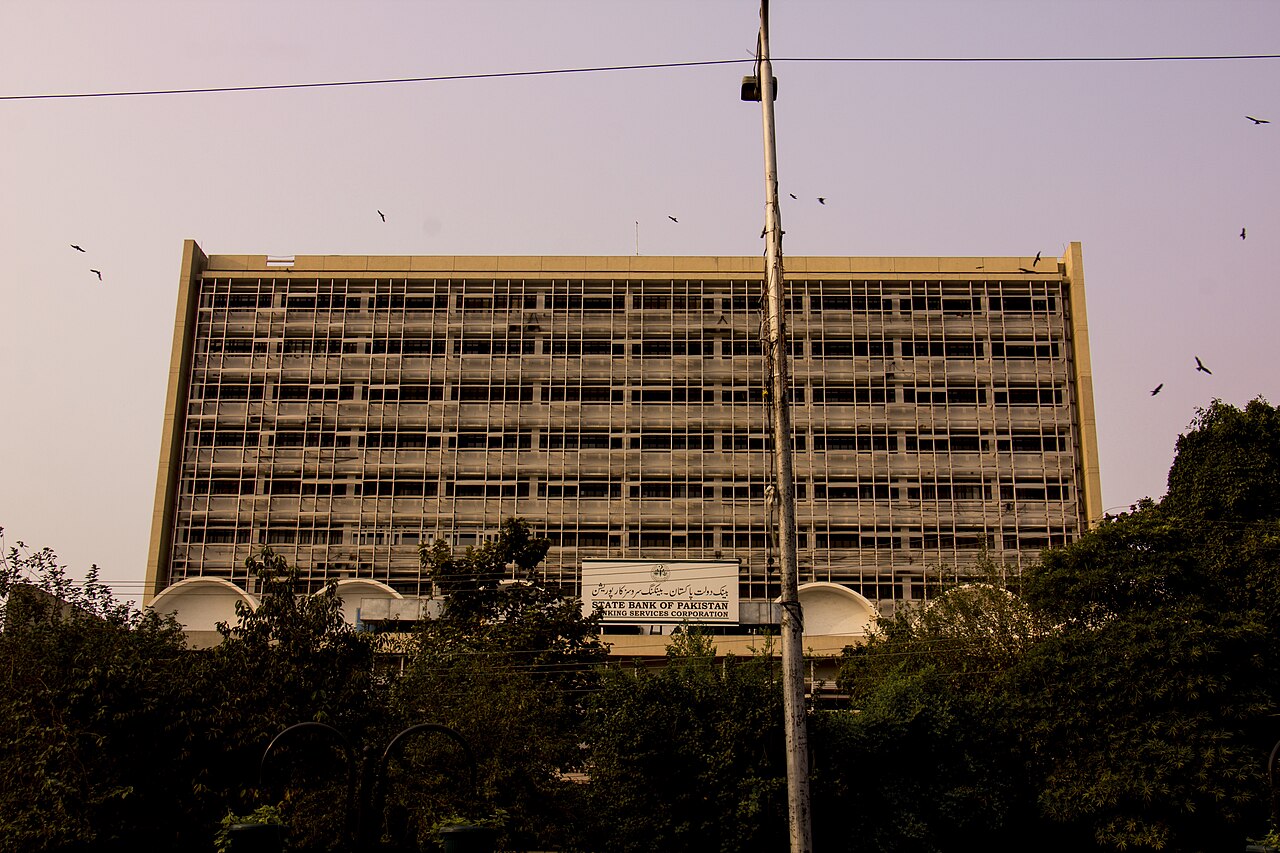
The two sides agreed to focus next on sustaining fiscal consolidation to strengthen public finances, maintaining a sufficiently tight monetary policy to ensure inflation remains durably within the State Bank of Pakistan’s target range, and advancing reforms to improve the viability of the energy sector. The IMF also flagged the authorities’ progress on climate resilience under the RSF and the deepening of structural reforms to accelerate growth alongside rebuilding social protection, health and education spending.
On 13 March Finance Minister Muhammad Aurangzeb told the Senate Standing Committee on Finance, presided over by Saleem Mandviwalla, that the IMF had appreciated Pakistan’s macroeconomic performance and would continue discussions on the impact of the Middle East conflict on inflation, revenues and the current account. He said Pakistan had hard-earned macroeconomic stability to protect.
What is still uncertain
Whether the staff-level agreement lands in days or slips into the next IMF executive board window, and whether the Middle East oil shock changes the EFF’s prior conditionality on fiscal slippage, energy circular debt, or the State Bank’s policy stance, remain open. The IMF has not yet publicly quantified the new external financing gap it expects from the oil shock, and the Petrova team’s continued engagement from Washington rather than a return visit leaves the timing unsettled.