What the prime minister decided
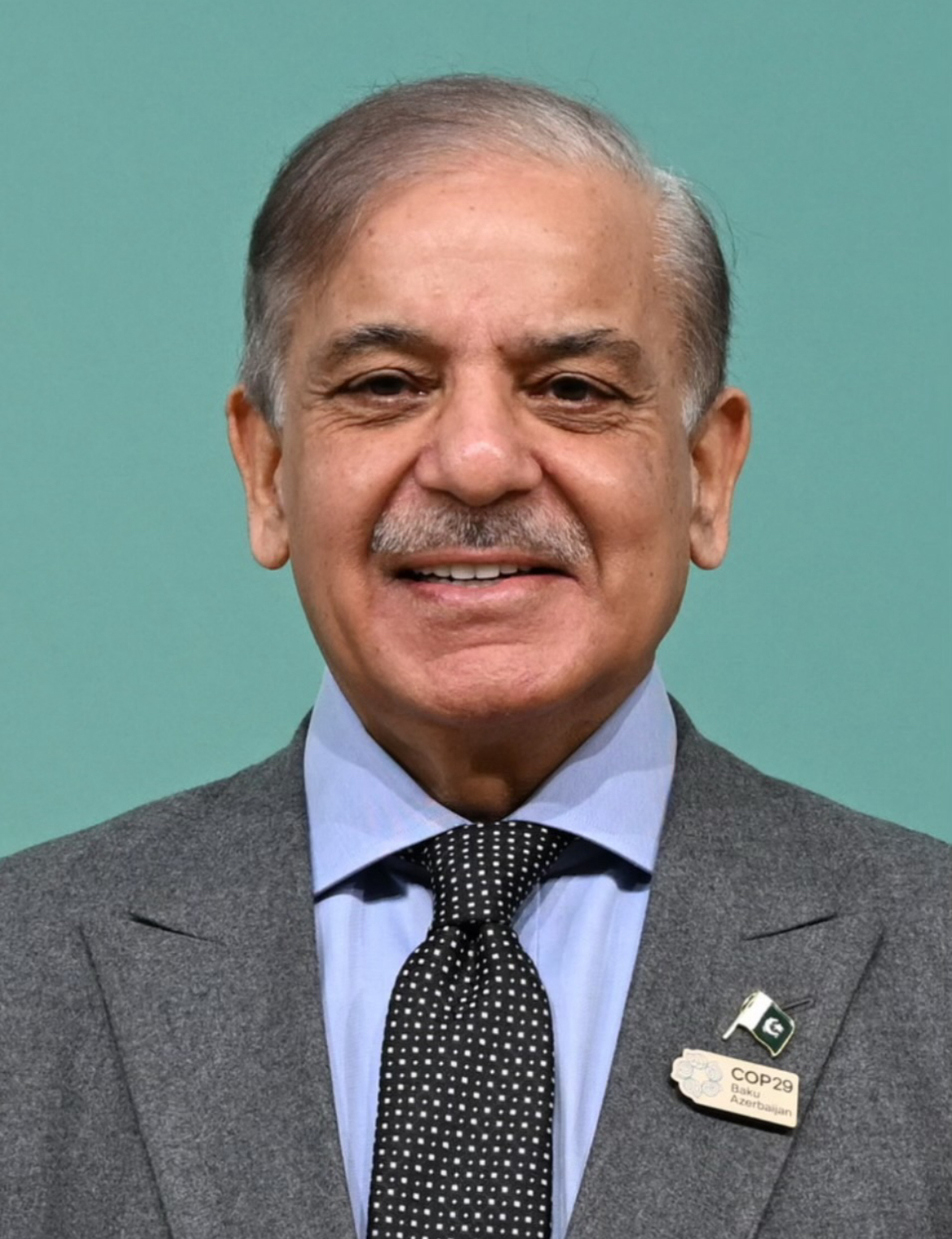
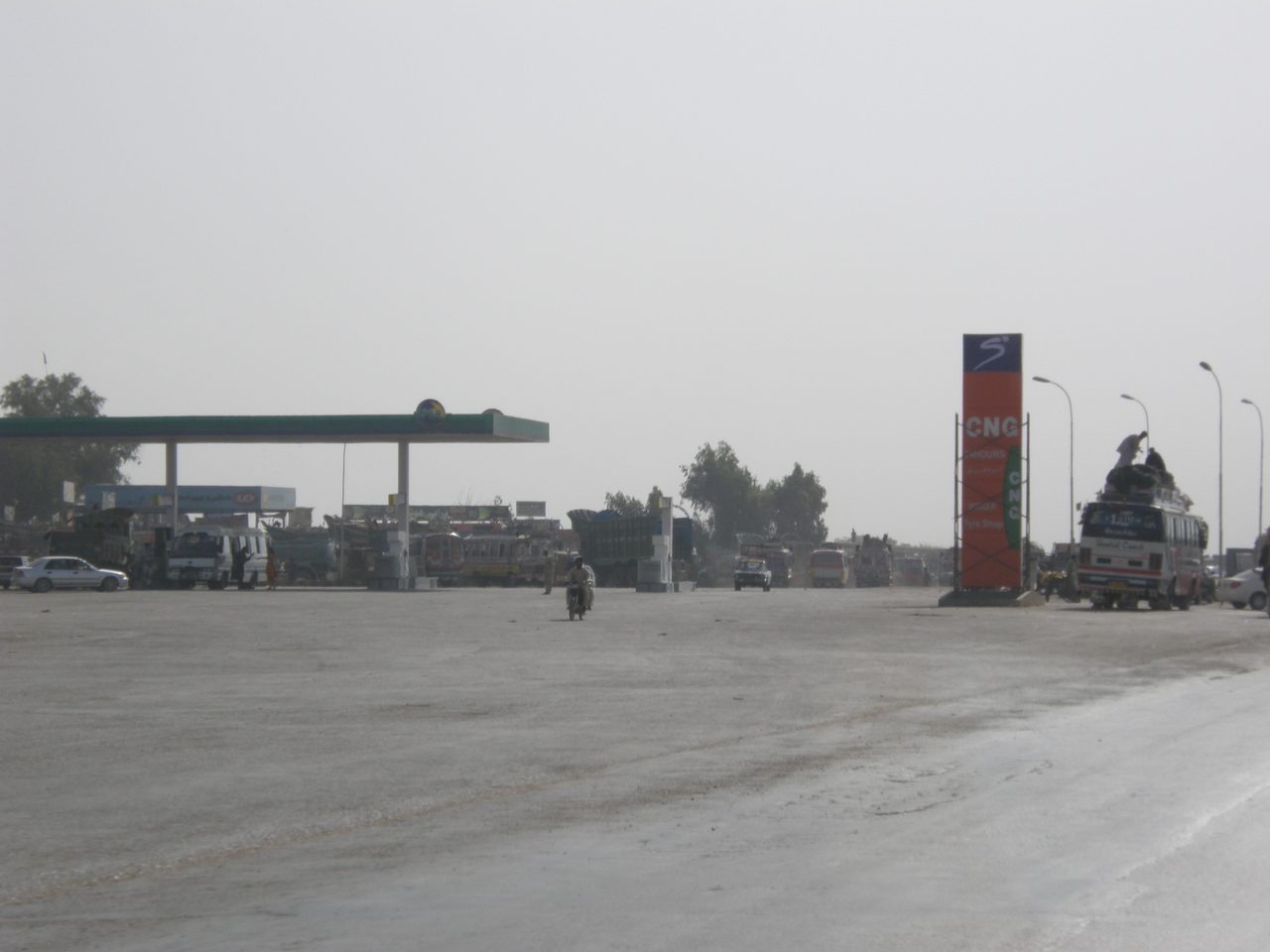
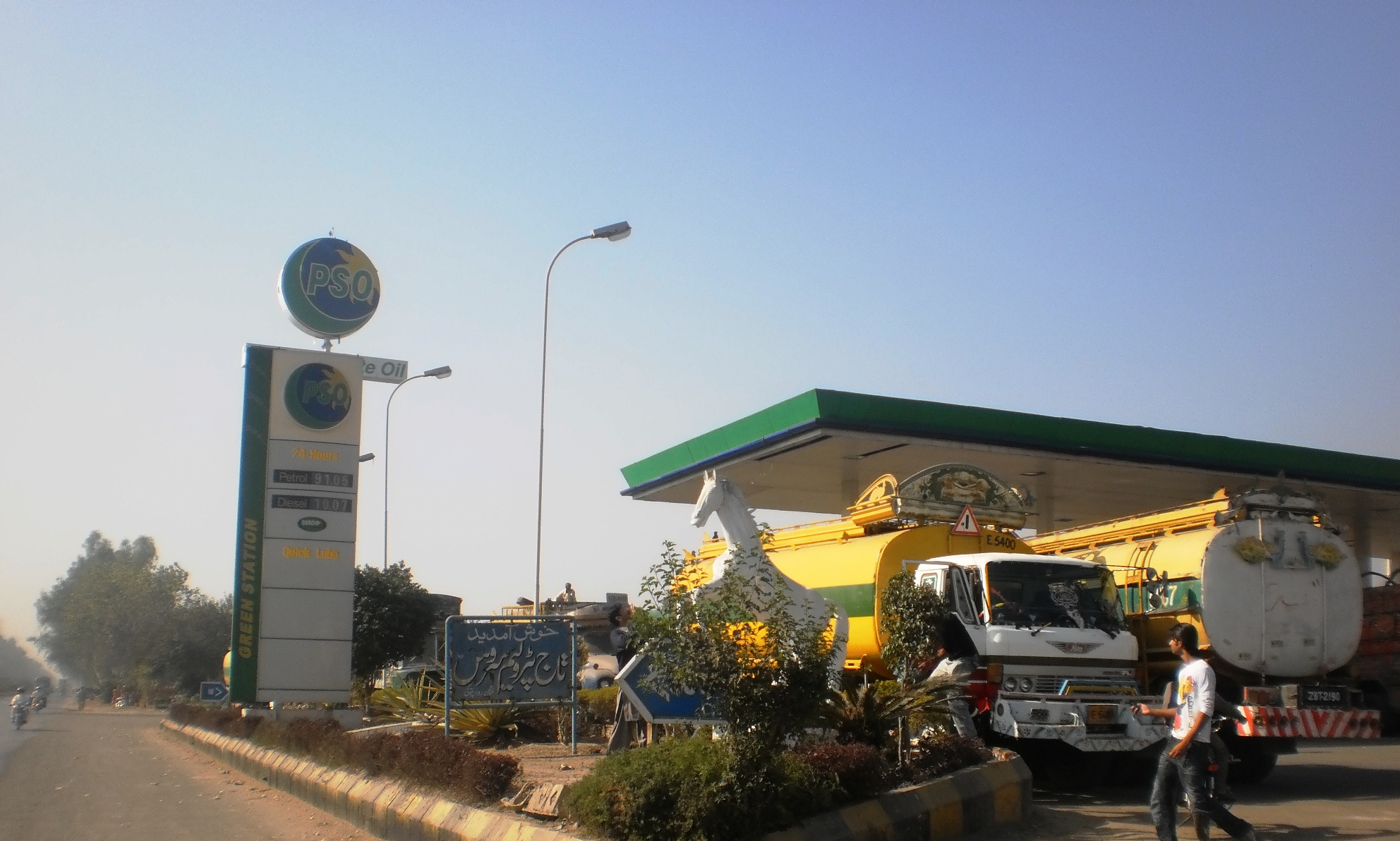
Prime Minister Shehbaz Sharif on Sunday 22 March 2026 approved a Rs200 per litre increase in the levy on high-octane fuel and barred its use in government vehicles, as the federal government widened its austerity response to the global fuel crisis. According to a notification issued by the Prime Minister’s Office, the levy on high octane blending component (HOBC) rose by Rs200 per litre, from Rs105.37 to Rs305.37 per litre, The News reported. Following the revision the retail price of HOBC climbed to Rs535 per litre, effective immediately.
The prime minister, who chaired the decision virtually, had taken notice of the Rs100 per litre levy on high-octane fuel and directed the relevant ministries to prepare an implementation plan. The government expects the increase to raise about Rs9 billion a month, which the PMO said would be used to provide relief to the public. Dawn reported the same decision, quoting the PMO statement that “the richest class in the country will bear the burden” and that prices for ordinary vehicles, public transport and air travel would not rise. Nukta also carried the announcement, noting the measure was framed as targeting luxury-car owners.
The ban on high-octane fuel in official vehicles
Separately, the prime minister imposed an immediate ban on the use of high-octane petrol in government vehicles at state expense. Officials may still use the fuel in official vehicles only if they pay for it themselves, he said, adding that all federal ministries, departments, authorities and subordinate institutions had been directed to comply at once. The premier ordered an effective monitoring mechanism and warned that strict action would follow any violation. He said the savings would help ensure the availability of affordable fuel for the public.
Why it matters
The decision extends the government’s fuel-crisis management into the luxury-consumption bracket while keeping the burden off petrol and diesel used by most households. It came two days after the government left petrol and diesel prices unchanged, and days after it had kept the petroleum levy on both fuels steady. As of 15 March, petrol carried a levy of Rs105.37 per litre and high-speed diesel Rs55.24 per litre. Earlier in March the government raised the petrol levy by 25 per cent, from Rs84.40 to Rs105.37 per litre, pushing the ex-depot petrol price from Rs266.17 on 1 March to Rs321.17 by 7 March, and on 6 March it raised petrol and diesel prices by Rs55 per litre each. Those moves, tied to the US-Israel war on Iran and the disruption of Gulf supply, were followed by an austerity package that included a 50 per cent cut in fuel allowances for official vehicles, a four-day work week and a directive that half of public-sector staff work from home. Finance Minister Muhammad Aurangzeb, Information Minister Attaullah Tarar and Petroleum Minister Ali Pervaiz Malik attended the 22 March meeting; Aurangzeb separately said a targeted relief package for lower-income households was being prepared.
What remains uncertain
The PMO did not set out how the levy will be enforced at the pump for non-luxury vehicles that can run on higher grades, nor did it quantify how much of the expected Rs9 billion will reach households as relief or through what mechanism. The duration of the levy and the ban was not stated, leaving open whether they will be reviewed once Gulf supply stabilises.
Sources & reporting notes
A contemporaneous synthesis of Pakistan reporting published on or shortly after 22 March 2026, not eyewitness reconstruction. Sources were reviewed on 22 March 2026. This article is distinct from KhabarWire's earlier coverage of the [March 2026 petrol and diesel price decision](/blog/pakistan-fuel-price-hike-rejected-rs45bn-2026-03-20/).
- The News — PM Shehbaz approves Rs200 per litre hike on high-octane fuel levy22 March 2026 · Reproduces the PMO notification, the levy figures (Rs105.37 to Rs305.37), the Rs535 per litre HOBC price, the Rs9 billion monthly saving and the ban on high-octane fuel in official vehicles.
- Dawn — Govt increases levy on high-octane fuel used in luxury vehicles by Rs200 per litre22 March 2026 · Quotes the PMO statement on the wealthiest segment bearing the cost and on public transport and airfares being unaffected.
- Nukta — Pakistan raises high-octane fuel levy to PKR 300 per liter22 March 2026 · Frames the measure as targeting luxury vehicles and reports the parallel work on a targeted relief package.