What happened
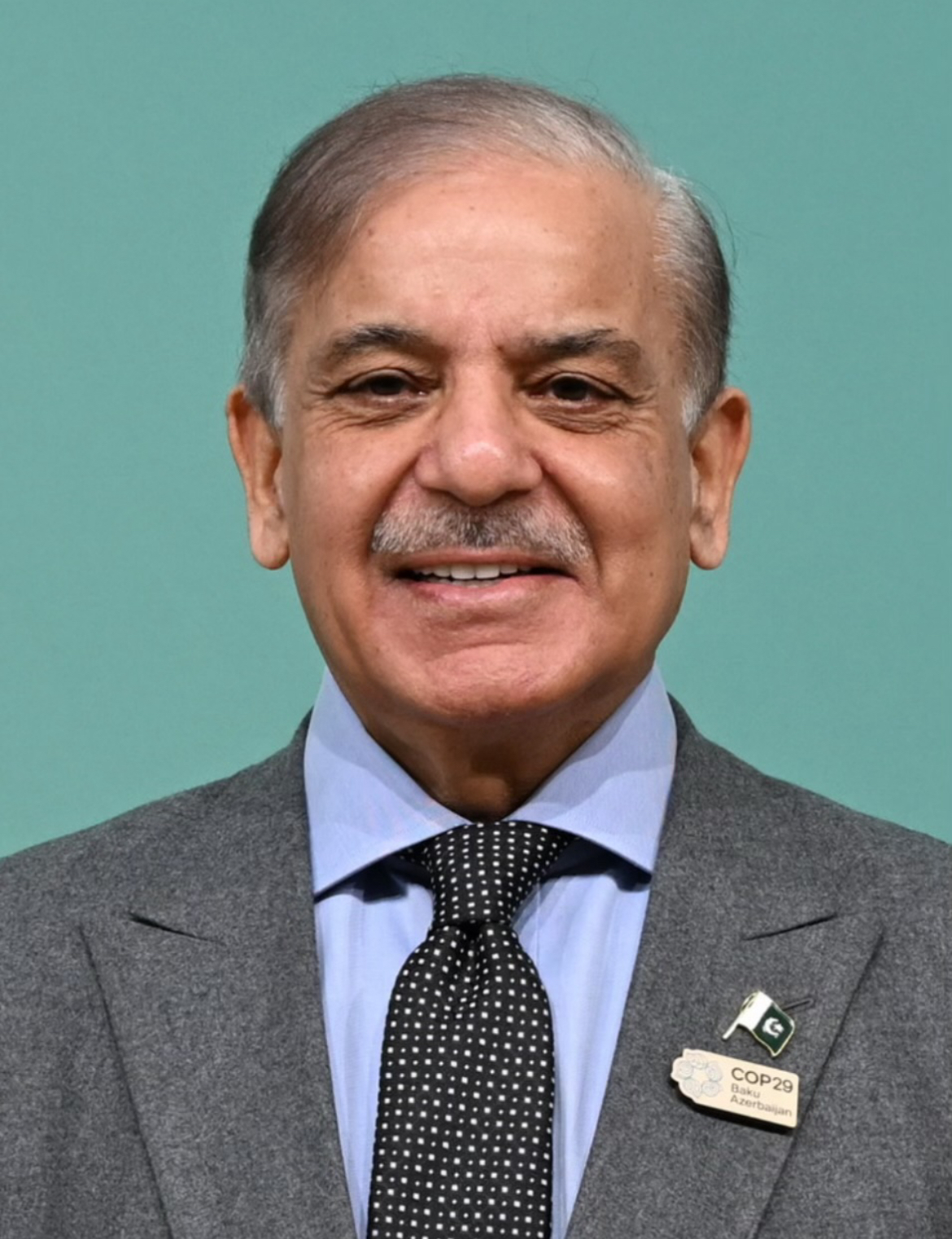
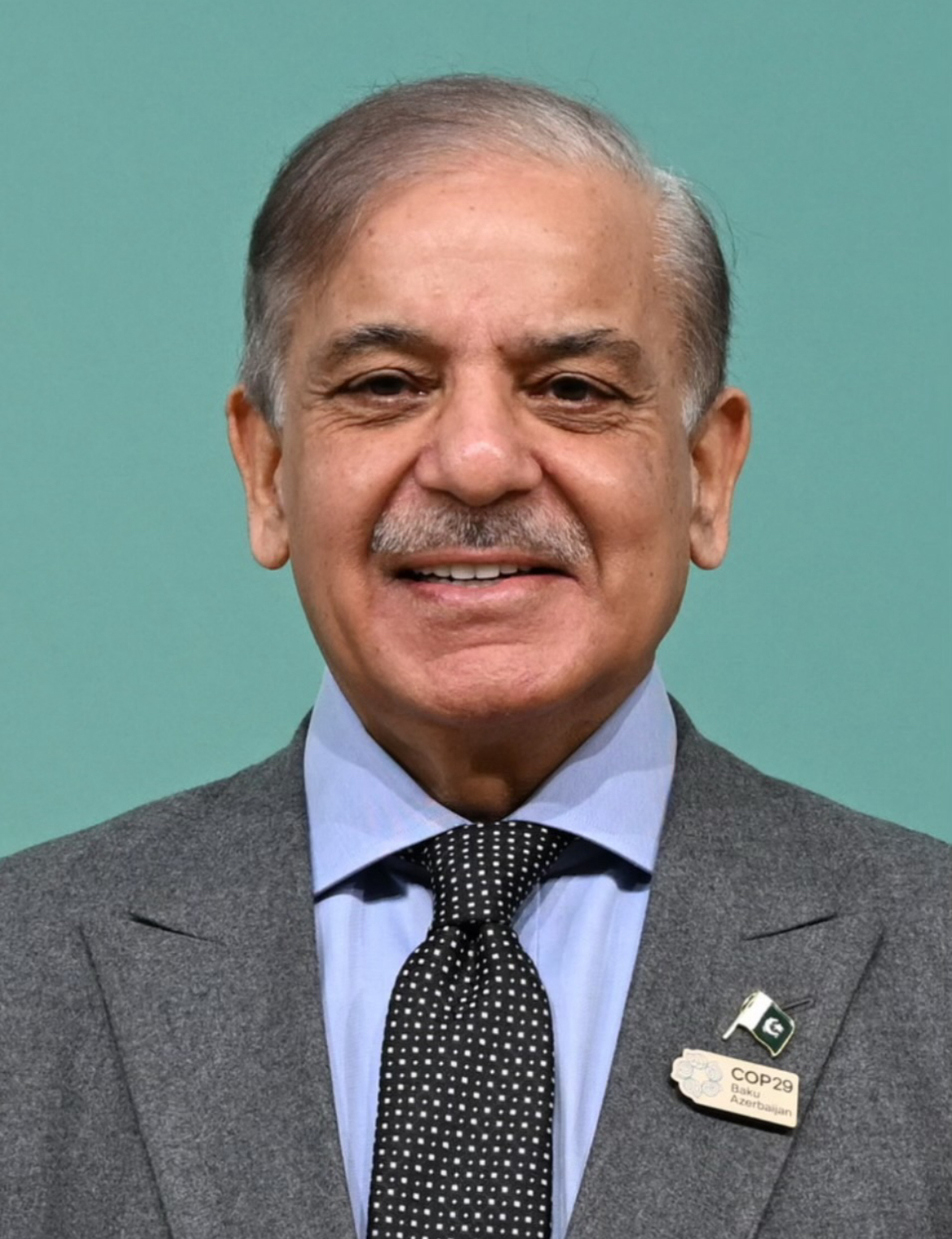
Prime Minister Shehbaz Sharif on Saturday 14 March 2026 approved salary cuts of 5% to 30% for employees of state-owned enterprises and autonomous institutions, as part of an austerity drive meant to cushion the economic fallout of the Middle East war.
The decision was taken at a high-level meeting in Islamabad to review fuel-price fluctuations and the implementation of cost-saving measures, according to an official statement from the Prime Minister’s Office. The prime minister said the savings generated would be used “only for public relief”, and directed relevant secretaries to monitor implementation and submit daily reports to a review committee.
The measures
The meeting was told that a third-party audit would oversee a 50% reduction in fuel allocations for government vehicles and the grounding of 60% of the official fleet over the next two months. Government representatives on the boards of corporations and other institutions will no longer receive participation fees, and that money will be added to the savings pool.
For the next two months, the salaries of cabinet members, ministers, advisers and special assistants will also be redirected to public welfare, the meeting was told. A complete ban on foreign visits by government officers, ministers and special assistants will remain in place, and the prime minister directed Pakistani embassies to mark the 23 March national day “with utmost simplicity”. Officials said the four-day workweek would not apply to law enforcement agencies or the Federal Board of Revenue, which will keep their existing schedules.
Why it matters
The measures add to a package announced days earlier after the government raised petrol and diesel prices by a record Rs55 per litre, a decision it attributed to oil-supply disruption caused by the US-Israel-Iran conflict. The Express Tribune reported that the remaining gap is expected to be covered from the Finance Ministry’s Rs390 billion contingency fund.
The austerity drive reflects the pressure on Pakistan’s economy from the regional war, including higher import costs for fuel and the risk to shipments through the Strait of Hormuz. By holding the petroleum price and trimming state spending instead, the government is trying to avoid passing the full cost to households while protecting foreign-exchange reserves.
What remains uncertain
How much the salary cuts will save, and whether the government will extend them beyond the initial two-month period, has not been announced. It is also unclear how the cuts will be enforced across autonomous institutions with differing rules, or how they will affect services at financially strained state firms. The government has said it will keep reviewing petroleum prices, leaving open the possibility of further measures if the war continues.
Sources & reporting notes
This is a synthesis of published material, not eyewitness reporting. Sources were reviewed on 2026-03-14.
- The News — "PM Shehbaz approves up to 30% salary cut for SOE employees under austerity plan"Published 14 March 2026 · The 5–30% salary decision, the audit of vehicle fuel cuts, board fees and the foreign-visit ban.
- The Express Tribune — "PM says savings from austerity measures to be redirected for public relief"Published 14 March 2026 · Redirection of savings to public relief, the Rs390 billion contingency fund and the list of earlier measures.