What happened
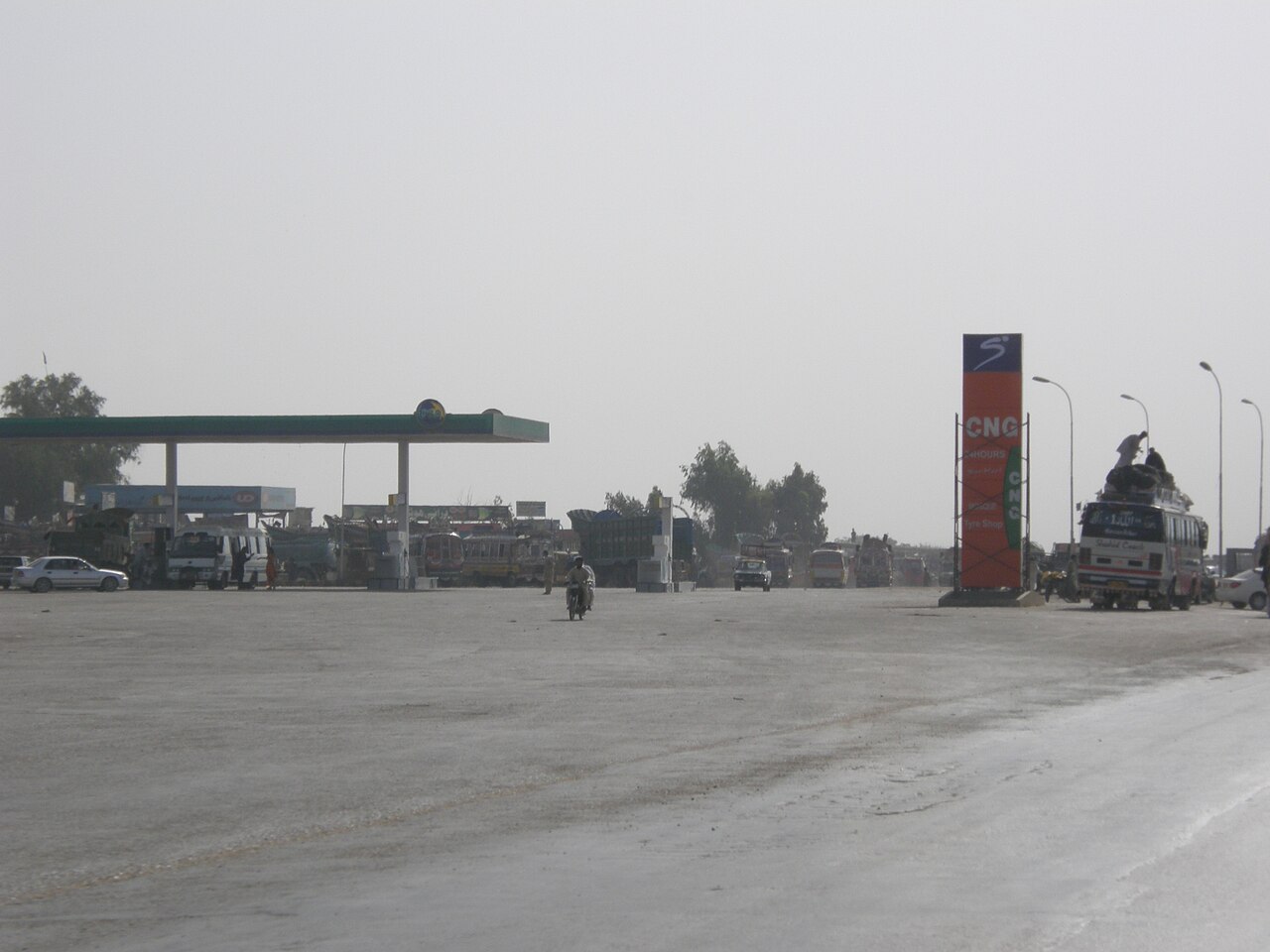
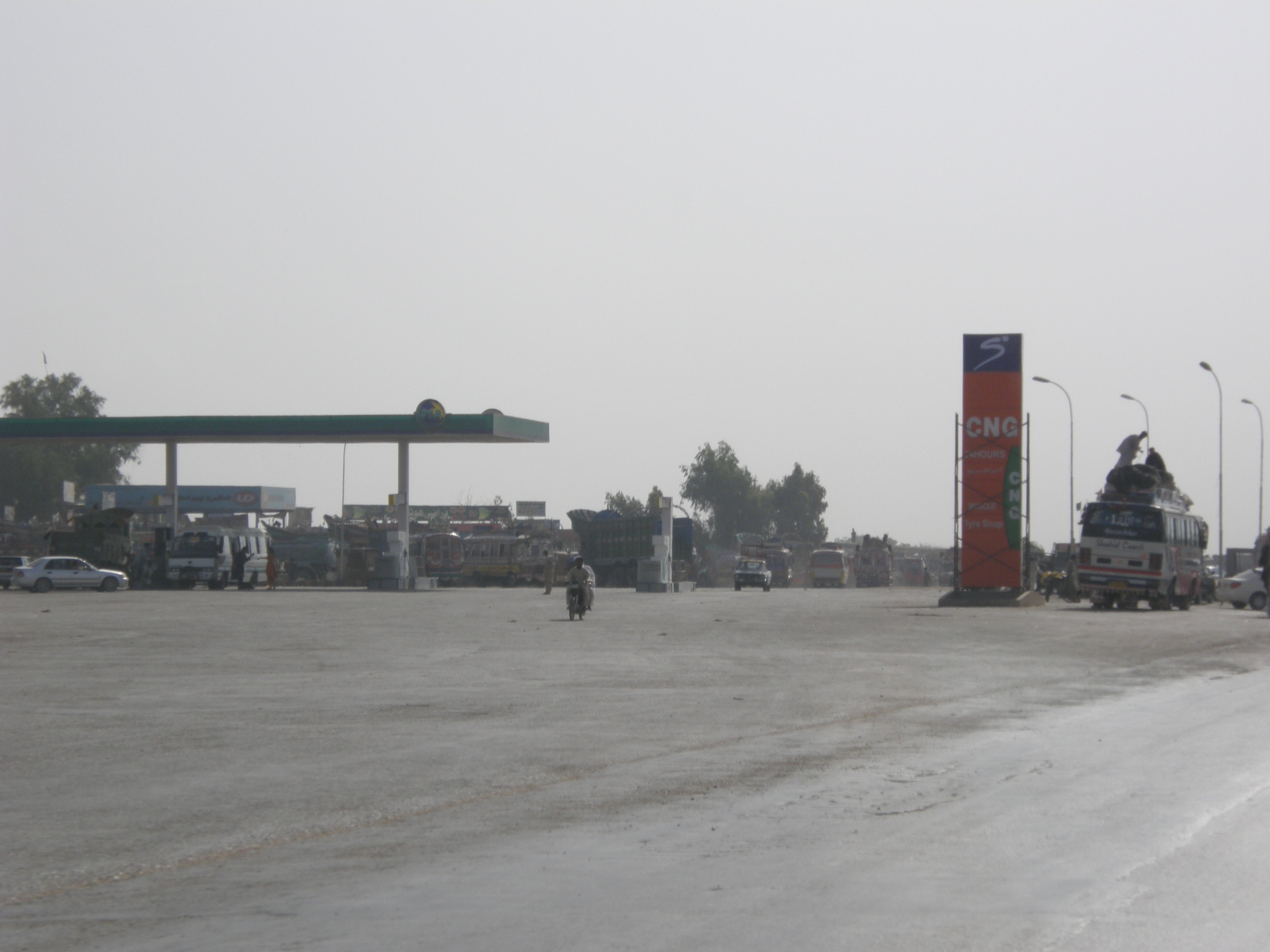
Unannounced rationing of petrol took hold across Pakistan on 6–7 March as motorists rushed to fill their tanks before the Rs55-a-litre increase announced late on Friday night took effect, leaving many filling stations dry and others limiting how much they would sell.
Dawn reported on 7 March that a large number of petrol stations — mainly outlets of Aramco and Attock Petroleum Ltd — had sold out by Friday evening, while Shell and Pakistan State Oil (PSO) stations had begun selling only eight to 10 litres per vehicle. The situation in Islamabad and Rawalpindi mirrored what was seen in other parts of Punjab and Khyber Pakhtunkhwa.
By Friday evening long queues of cars and motorcycles had formed at filling stations. One consumer, Ahmed Zafar, told Dawn he could not find petrol for his motorcycle and was given 10 litres only after the intervention of his father’s influence.
The rationing followed the Rs55-a-litre increase in petrol and high-speed diesel announced on 6 March, which the government said was forced by the closure of the Strait of Hormuz and the resulting jump in global crude prices.
Why it matters
The shortages turned an announced price shock into an immediate physical one for drivers. Pakistan Petroleum Pumps Owners Association spokesman Noman Butt said supply from oil marketing companies had been slow, and criticised the government for moving against pump owners while failing to act against the companies. Dawn also reported that some filling stations were suspected of hoarding petrol in anticipation of inventory gains.
Hassan Shah, a senior member of the Petroleum Dealers Association, said the average storage capacity of a pump was about 25,000 to 30,000 litres — roughly two days of sales — and argued that pumps could not by themselves create an artificial shortage. He said there was no shortage of diesel, unlike petrol.
Dawn reported that the government had said the country held sufficient stocks and warned of action against hoarding and artificial shortages. The Standard reported that officials had claimed enough petroleum reserves for about a month before the late-night hike was announced, and that a committee had discussed but shelved fuel-conservation measures such as staggered work-from-home and distance learning for at least a week.
What is still uncertain
The actual level of national petrol stocks and the extent to which hoarding or slow company deliveries caused the dry pumps were not independently established. Officials did not say how long the rationing and queues would last, and the government’s promised crackdown on hoarding had yet to produce publicly confirmed enforcement action. The outlook depended heavily on how long shipping through the Strait of Hormuz remained disrupted.
Sources & reporting notes
This is a synthesis of published material, not eyewitness reporting. Sources were reviewed on 2026-03-07.
- Dawn — Petrol pump owners defy govt, resort to rationing amid panic buying in IslamabadPublished 7 March 2026 · The dry Aramco and Attock outlets, Shell and PSO rationing of 8–10 litres, dealer comments and the absence of a diesel shortage.
- The Standard — Government Hikes Petrol, Diesel Prices by Rs. 55/literPublished 7 March 2026 · The government's claim of about a month of petroleum stocks, the PDL changes and the shelved conservation plan.