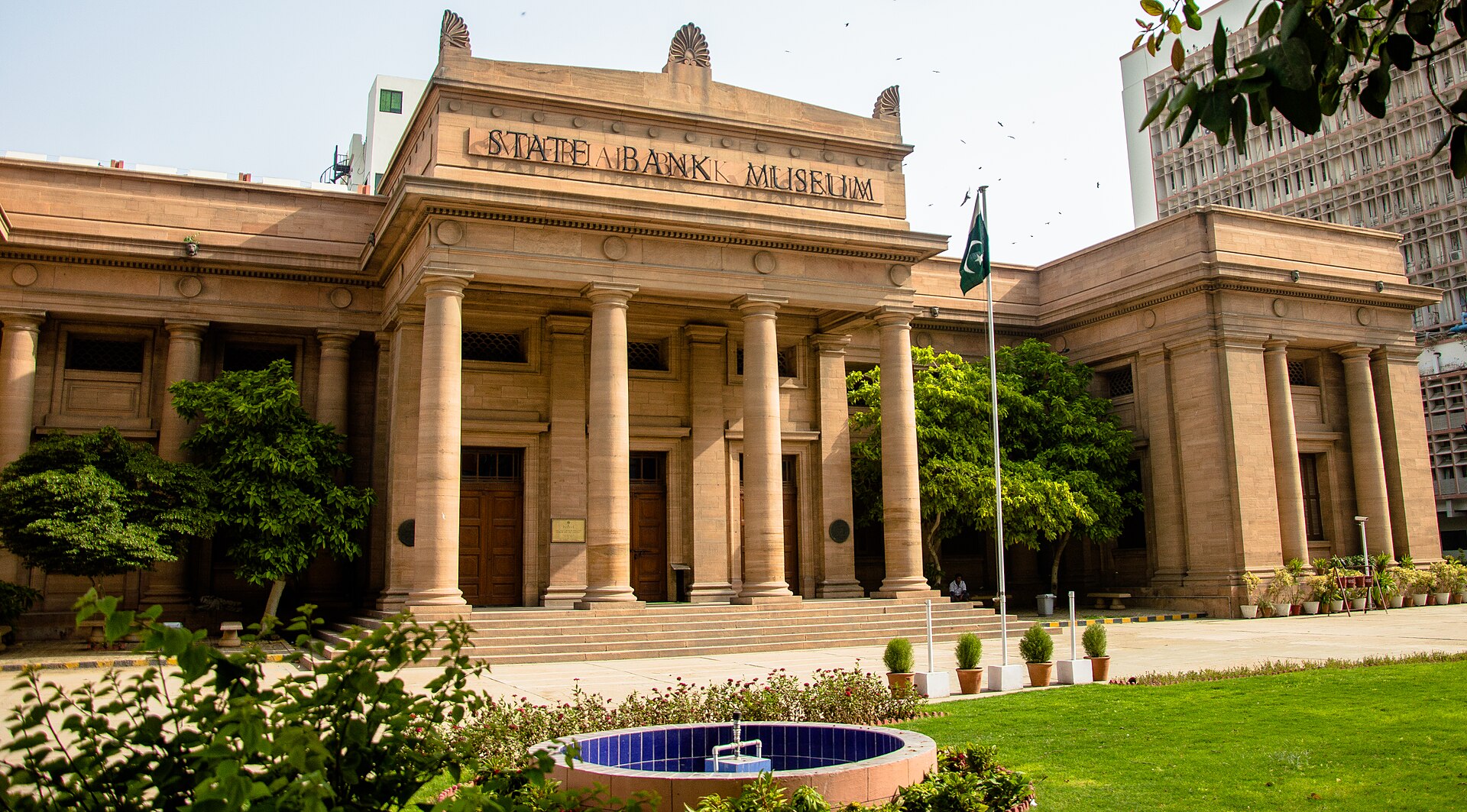
Reporting snapshot · 18 November 2026 (Asia/Karachi). The State Bank of Pakistan's balance-of-payments figures are provisional and are revised as later data arrive. The release covers a single month in which the goods trade gap narrowed from September, and the current account remains in deficit over the fiscal year to date.
Pakistan’s current account returned to a surplus in October, with the State Bank of Pakistan reporting a balance of $39 million that reversed a revised deficit of $371 million in September. The central bank’s balance-of-payments summary for October 2026, released on Tuesday, 17 November, put the deficit for the first four months of the fiscal year at $850 million against $1,062 million in the same months of the previous year, the Associated Press of Pakistan reported. The Express Tribune and Profit by Pakistan Today carried the same release.
A $39 million surplus is not much money in itself. It matters for what produced it, for how quickly the four-month position improved, and for what the same table shows about the central bank’s reserves and about portfolio investors in Pakistani securities.
The release also revises what was published a month ago. The September deficit was raised from $356 million to $371 million, and the July-September shortfall came in at $889 million against the $874 million KhabarWire reported on 17 October.
What moved the balance into surplus
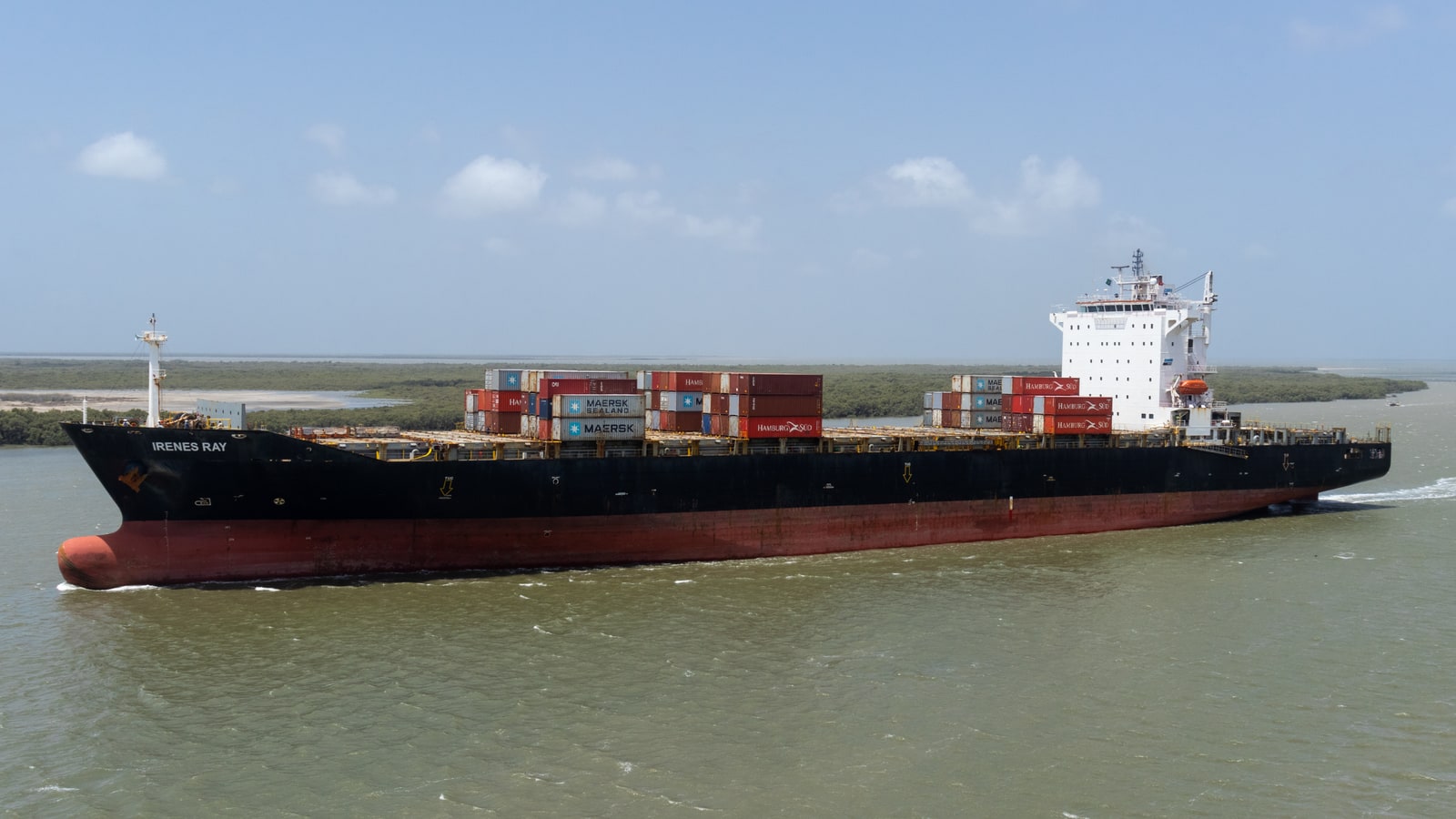
Three lines did the work in October. Workers’ remittances rose to $3.892 billion from $3.588 billion in September and from $3.420 billion a year earlier, the central bank’s table shows, a gain of close to 14 per cent. The goods trade deficit narrowed to $2.967 billion from $3.148 billion, as exports slipped to $2.902 billion from $3.013 billion but imports fell further, to $5.869 billion from $6.161 billion. The balance on secondary income, transfers from abroad that include workers’ remittances, widened to a surplus of $4.072 billion from $3.844 billion.
Against that, the deficit on primary income widened to $821 million from $792 million in September. That line covers interest and dividend payments to foreign lenders and investors, and it is the part of the account with the least domestic control over it. The result is that the current account measured without official transfers was still $13 million in deficit even though the headline figure was in surplus; in September that measure was $404 million in deficit.
Four months on, the trade gap is still widening
The monthly picture flatters the cumulative one. Over July to October the goods trade deficit widened to $12.288 billion from $10.460 billion a year earlier. Goods exports grew 8.1 per cent to $11.354 billion, but goods imports grew faster, by 12.8 per cent to $23.642 billion. The services deficit widened slightly, to $1.070 billion from $1.036 billion. The deficit on primary income narrowed to $3.141 billion from $3.180 billion, secondary income rose to $15.649 billion from $13.614 billion, and remittances over the four months reached $14.767 billion against $12.956 billion.
Set side by side, the goods trade gap widened by $1.83 billion over the four months while remittances rose by $1.81 billion. That is the substance of the improvement: more money came home from the Gulf and elsewhere, and roughly as much went out to pay for goods.
The reserve position improved by much more than the current account did. The central bank’s reserve assets rose $3.109 billion in the four months to October, against a $51 million decline in the same months a year earlier. Gross reserves, including cash foreign currency holdings and excluding unsettled claims on the Reserve Bank of India, reached $22.924 billion at the end of October, against $19.691 billion at the end of June and $15.810 billion a year earlier. State Bank reserves, excluding the cash and statutory liquidity requirements, stood at $21.718 billion, up from $14.636 billion.
The composition of that build is worth noting. Portfolio investment recorded a net outflow of $3.068 billion over the four months, against a $531 million inflow in the same months of the previous year. Foreign direct investment into Pakistan rose to $936 million from $764 million, with $216 million of it arriving in October.
How the year-to-date figure sits against the bank’s projection
The State Bank’s annual report, published on 16 November, projected a current account deficit of 0 to 1 per cent of GDP for FY27, and KhabarWire covered those projections. Measured against the central bank’s FY26 GDP figure of $450.5 billion, an $850 million deficit for the first four months is roughly a fifth of one per cent. That sits inside the projected band, though the comparison is indicative rather than exact: the year is not over and the denominator is a full-year number.
The remittances line does the heavy lifting, and KhabarWire’s report on the October remittance figures set out why that inflow is concentrated in the Gulf and therefore exposed to oil prices, Gulf conflict and visa rules. There is a competitiveness question in the same data. The rupee’s real effective exchange rate rose 1.59 per cent to 110.62 in October from 108.89 in September, Profit by Pakistan Today reported, marking a real appreciation against Pakistan’s trading partners that erodes the price competitiveness of Pakistani exports. The central bank’s rate decisions, reserve position and balance-of-payments releases are tracked in KhabarWire’s State Bank of Pakistan hub.
Three things could shift the picture before the next release. The figures are provisional and the central bank revises them. The import bill is the pressure point, and AKD Securities research director Mohammed Awais Ashraf, quoted by The Express Tribune, put the October improvement down to higher exports, lower dividend repatriation and interest payments, and robust remittances offsetting a higher import bill on the back of higher oil prices. And the portfolio line, not the current account, is the one that has to change if the reserve build is to continue without the central bank having to support it. The release itself carries a caveat worth repeating: the merchandise trade figures used to compile the balance of payments come from exchange records, which can differ from figures compiled on customs records, so they will not match every trade statistic published elsewhere.