Reporting snapshot · 1 October 2026. Prime Minister Shehbaz Sharif addressed a reception in Islamabad on Wednesday, 30 September, marking the 77th anniversary of the founding of the People's Republic of China and the 75th year of Pakistan-China diplomatic relations. Chinese Ambassador Jiang Zaidong used the occasion to set out the latest bilateral trade and investment figures and to list new cooperation pledges. This account draws on the official read-out carried by Radio Pakistan and independent reporting by The Express Tribune and Pakistan Today. No new financing agreement was signed at the event.
What happened
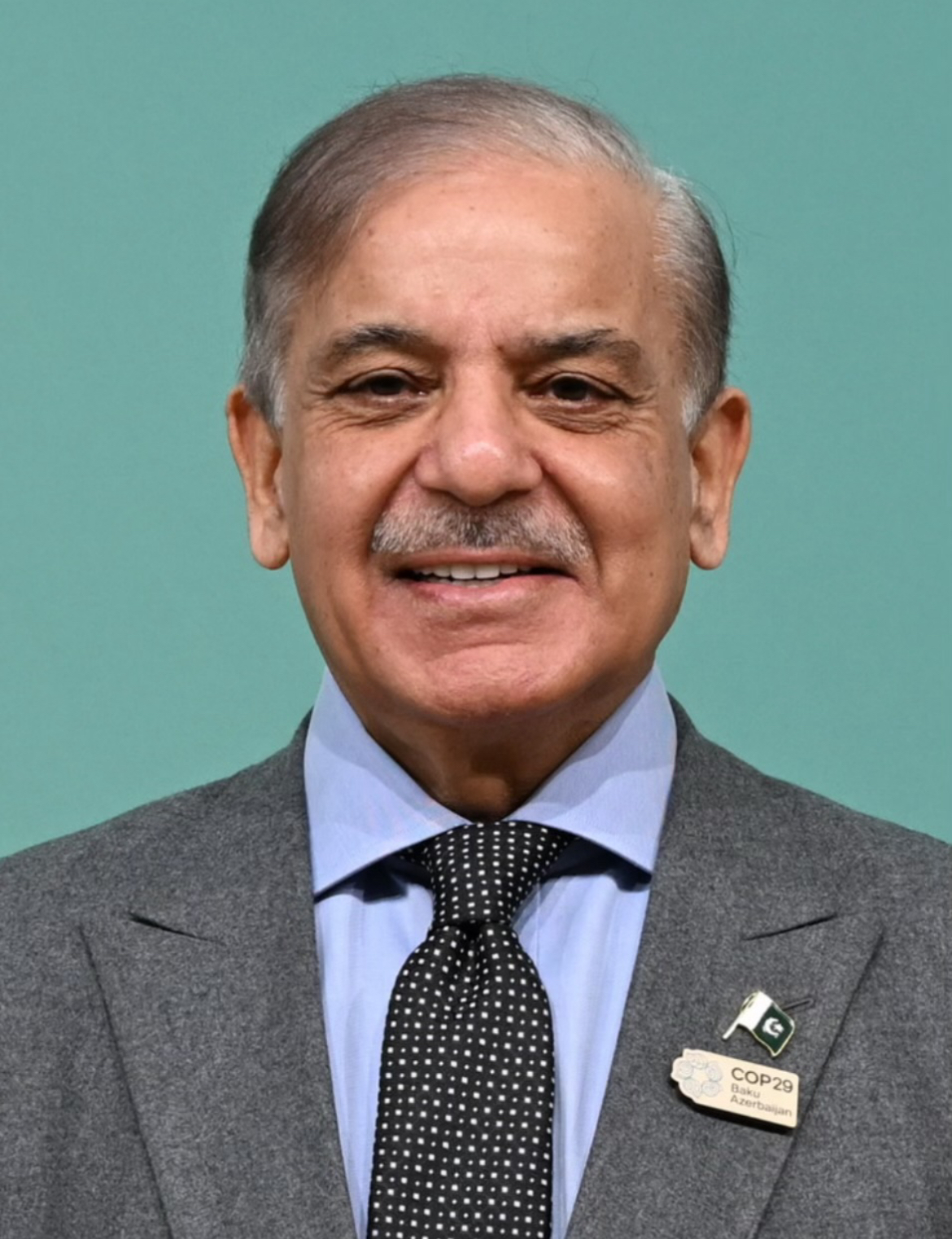
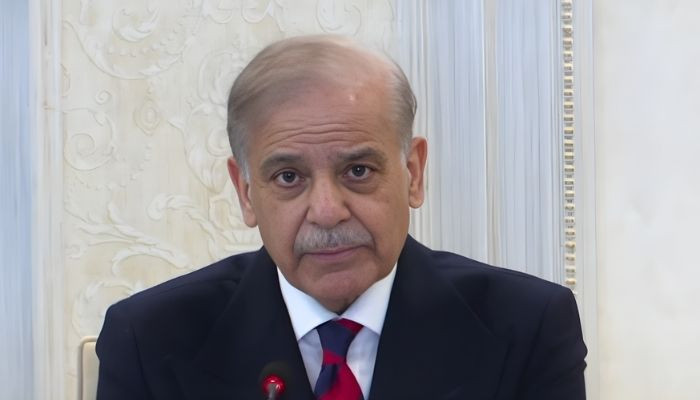
Prime Minister Shehbaz Sharif on Wednesday addressed a reception in Islamabad marking the 77th anniversary of the founding of the People’s Republic of China, an occasion that also falls in the 75th year of Pakistan-China diplomatic relations. He extended “heartfelt congratulations” to President Xi Jinping and the Chinese people and said China’s historical transformation, and its growing contribution to global peace, stability and development, continued to inspire countries around the world, particularly Pakistan.
The prime minister described the relationship as an “all-weather strategic cooperative partnership” built on mutual trust, mutual support and close ties between the two peoples, and said the countries’ “iron-clad friendship” had stood the test of time. He called Pakistan-China relations the “anchor” of Pakistan’s foreign policy and said Pakistan fully endorsed President Xi’s Global Development, Global Security, Global Civilization and Global Governance initiatives.
According to the official read-out, the Chinese ambassador, Jiang Zaidong, described the two countries as “all-weather strategic cooperative partners and ironclad brothers” and welcomed what he called the growing resilience and vitality of Pakistan’s economy. The event concluded with a cake-cutting ceremony led by the prime minister and attended by Deputy Prime Minister and Foreign Minister Ishaq Dar, National Assembly Speaker Sardar Ayaz Sadiq, several federal ministers and members of the diplomatic corps.
The trade and investment numbers
The most concrete content of the evening was economic. Ambassador Jiang said bilateral trade reached $16.44 billion from January to July 2026, up 13.4 per cent year-on-year. Agricultural trade stood at around $830 million in January-August, an increase of 45 per cent on the same period a year earlier, he said, while China continued to rank first among investors in Pakistan, accounting for 60.7 per cent of total foreign investment, including investment routed through Hong Kong.
Those figures extend a pattern in which China has remained Pakistan’s largest trading partner and its single biggest source of external investment. They also underline the central role Chinese demand and capital now play in Pakistan’s export and financing picture, at a time when Islamabad is navigating an International Monetary Fund programme and relatively tight external financing.
The ambassador’s read-out did not include an export-import split for the $16.44 billion trade figure, so the bilateral balance — and the scale of Pakistan’s deficit with China — cannot be established from the event itself. Pakistan’s own trade statistics, compiled separately by the Pakistan Bureau of Statistics, are published later and can differ from figures cited by partner governments. Readers should treat the ambassador’s numbers as the Chinese side’s official accounting, not as independently audited figures.
CPEC 2.0: from roads to industry, IT and AI
The prime minister said Pakistan and China were “now entering the next phase of CPEC, CPEC 2.0”, with an emphasis on industrialisation, special economic zones, information technology and artificial intelligence, agriculture, and mines and minerals. That framing matches the direction set out in the joint statement issued after his May 2026 visit to Beijing, when the two governments agreed to accelerate what they called the upgraded corridor and to expand cooperation into the digital economy, artificial intelligence, finance and marine affairs.
On agriculture, Shehbaz said the first group of 1,000 Pakistani agriculture graduates had completed training in China and that another 1,000 were ready to follow — a skills programme he described as an investment in the future of Pakistani youth.
Ambassador Jiang added several specific pledges. He said China would build 100 clean-water stations, upgrade 1,000 smart classrooms and distribute 100,000 school kits in Balochistan. He said Beijing wanted to advance the “high-quality development” of CPEC 2.0 and an upgraded China-Pakistan Free Trade Agreement, to deepen cooperation in health, education and climate change, and to expand exchanges among universities, think tanks, youth and women. He also said China would deepen defence, security and counter-terrorism cooperation with Pakistan and would coordinate with Islamabad to safeguard what he called the legitimate rights and interests of Global South countries.
What is still uncertain
No new financing agreement, loan or signed construction contract was announced at the reception, and the pledges the ambassador described came without published budgets or timelines. How the clean-water, classroom and school-kit commitments in Balochistan will be funded and sequenced is not yet clear, and neither is the timetable for the upgraded free-trade agreement.
The event also left open how the shift from CPEC’s original infrastructure phase to “CPEC 2.0” will be financed. Earlier phases relied heavily on Chinese lending and on the Special Investment Facilitation Council’s efforts to attract Gulf and other foreign capital, and Pakistan’s ability to absorb new investment depends on macro-economic stability, the pace of IMF-linked reforms and the security environment in parts of the country where Chinese nationals work.
A separate message attributed to President Asif Ali Zardari, released by the government’s Press Information Department, reaffirmed Pakistan’s commitment to deepen the “China-Pakistan strategic partnership”. The prime minister, for his part, said Pakistan remained “fully committed” to implementing the understandings reached between the two countries’ leadership. Both statements signal continuity; neither commits either side to new money.
Sources & reporting notes
This is a synthesis of published reporting and the official read-out of the 30 September 2026 reception, not independent on-the-ground reporting. The cited pages were reviewed on 1 October 2026.
- Radio Pakistan — "PM reaffirms commitment to further strengthening all-weather strategic partnership with China"30 September 2026 · Official government read-out: the prime minister's remarks, the 75th-anniversary framing, CPEC 2.0 priorities, and Ambassador Jiang Zaidong's trade, investment and cooperation figures.
- Pakistan Today — "Pakistan, China resolve to deepen 'iron-clad' friendship, advance CPEC 2.0"1 October 2026 · Independent report of the reception, the $16.44 billion January-July trade figure, the 60.7 per cent investment share and the CPEC 2.0 focus areas.
- The Express Tribune — "PM Shehbaz hails Beijing's role in promoting global peace as Pakistan marks China's National Day"30 September 2026 · Independent report of the prime minister's remarks, the 75th anniversary of diplomatic relations and the agricultural training programme.