What happened
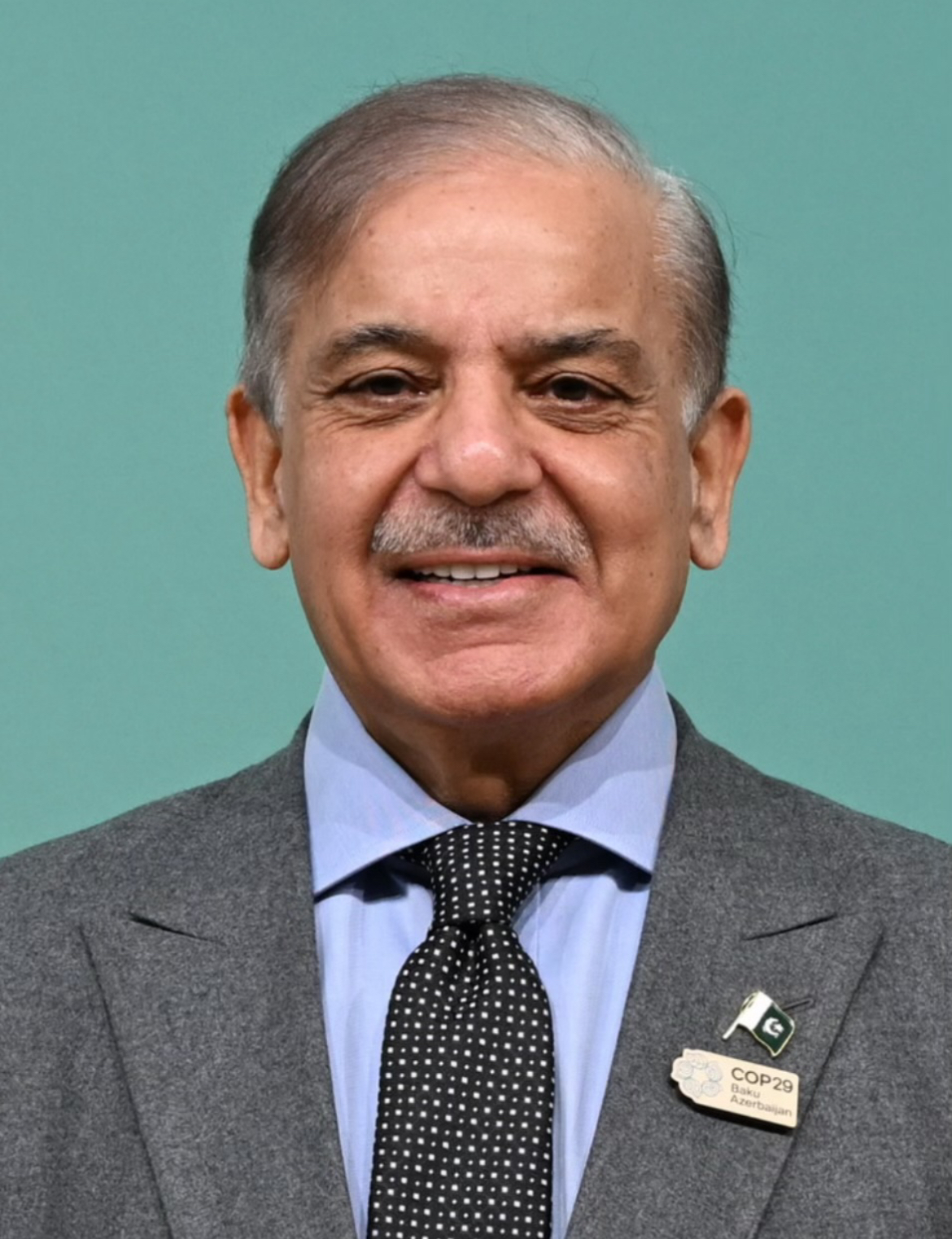
Prime Minister Shehbaz Sharif on Friday, 17 July 2026, welcomed the signing of nine agreements worth more than $440 million between Pakistani and Chinese pharmaceutical companies and pledged that the government would leave “no stone unturned” to protect Chinese citizens working in Pakistan.
Addressing the Pakistan-China Business-to-Business Conference on the Pharmaceutical, Healthcare and Biotechnology Sector in Islamabad, the prime minister said the security of Chinese nationals was paramount. “I would like to say with the fullest force at my command that the security of Chinese brothers and sisters in Pakistan is paramount for us. We will leave no stone unturned to provide them with the best possible security,” he said, according to The Express Tribune. The conference was attended by about 300 Chinese delegates, the Chinese ambassador to Pakistan, federal ministers and business representatives.
The agreements
The agreements were signed between the private pharmaceutical sectors of the two countries, the PM Office said, covering local vaccine production, biotechnology, drug manufacturing, technology exchange and the prevention of hepatitis. An agreement on cooperation for the national programme for protective vaccines was also finalised.
PM Shehbaz said the deals were worth “almost $440 million” and described them as a step forward for the second phase of the China-Pakistan Economic Corridor (CPEC), noting that $30 billion in investment had come under CPEC’s first phase. He called China Pakistan’s “most trusted and most dependable friend”.
Security concerns
Pakistan has recorded attacks on Chinese nationals working on major infrastructure projects in recent years, including a 2021 suicide bombing on a bus carrying workers to the Dasu hydropower project and a 2024 attack in Besham that killed five Chinese engineers. This week the government said it was stepping up security around the Saindak copper and gold mine in Balochistan after violence disrupted supply routes, Reuters reported. PM Shehbaz reiterated that the security of Chinese personnel was a priority.
Why it matters
The pharmaceutical agreements are the latest strand of economic cooperation between Islamabad and Beijing and come as Pakistan seeks investment to steady its economy amid regional tensions. They also underline the government’s effort to reassure Chinese investors about their safety, in a week when security operations and militant attacks dominated headlines. The prime minister separately credited Pakistan’s mediation between the United States and Iran, saying the recent conflict had created major challenges for the world.
What is still uncertain
The government did not release a breakdown of the individual agreements or the companies involved, and timelines for implementation were not made public. It was also not immediately clear how the security commitments for Chinese nationals would be implemented beyond existing arrangements such as the Special Protection Unit established earlier this year.
Sources & reporting notes
This is a summary of published reporting, not independent reporting. Details are as carried by the cited sources, which were reviewed on 2026-07-18.
- The Express Tribune — "PM Shehbaz hails $440m Pakistan-China pharma deals, vows enhanced security for Chinese investors"17 July 2026 · The conference, the value and scope of the agreements, the prime minister's remarks on security of Chinese nationals, and the Saindak mine measures.