What happened
Pakistan carried out what it described as “precise and calibrated” strikes along its border with Afghanistan early on Wednesday, 10 June 2026, saying it killed 26 militants, while Afghanistan’s Taliban government said 13 civilians, mostly children, were killed.
Information Minister Attaullah Tarar said in a post on X that the strikes targeted “hideouts and safe havens of masterminds and planners” belonging to Fitna Al Khwarij, the designation Islamabad uses for the Pakistani Taliban and allied militants it accuses India of sponsoring. He said four targets were destroyed: a training centre, a hideout, an ammunition cache and centres belonging to commanders Aleem Khan Khushali and Akhtar Muhammad Jani Khel.
Tarar linked the operation to recent attacks inside Pakistan, including an assault on a Federal Constabulary post at Musa Dara on 9 June 2026, and vehicle-borne suicide attacks on a military post in North Waziristan on 2 June and on a police station in Bannu on 9 May. Security officials said the 9 June attack near Peshawar killed six Federal Constabulary personnel.
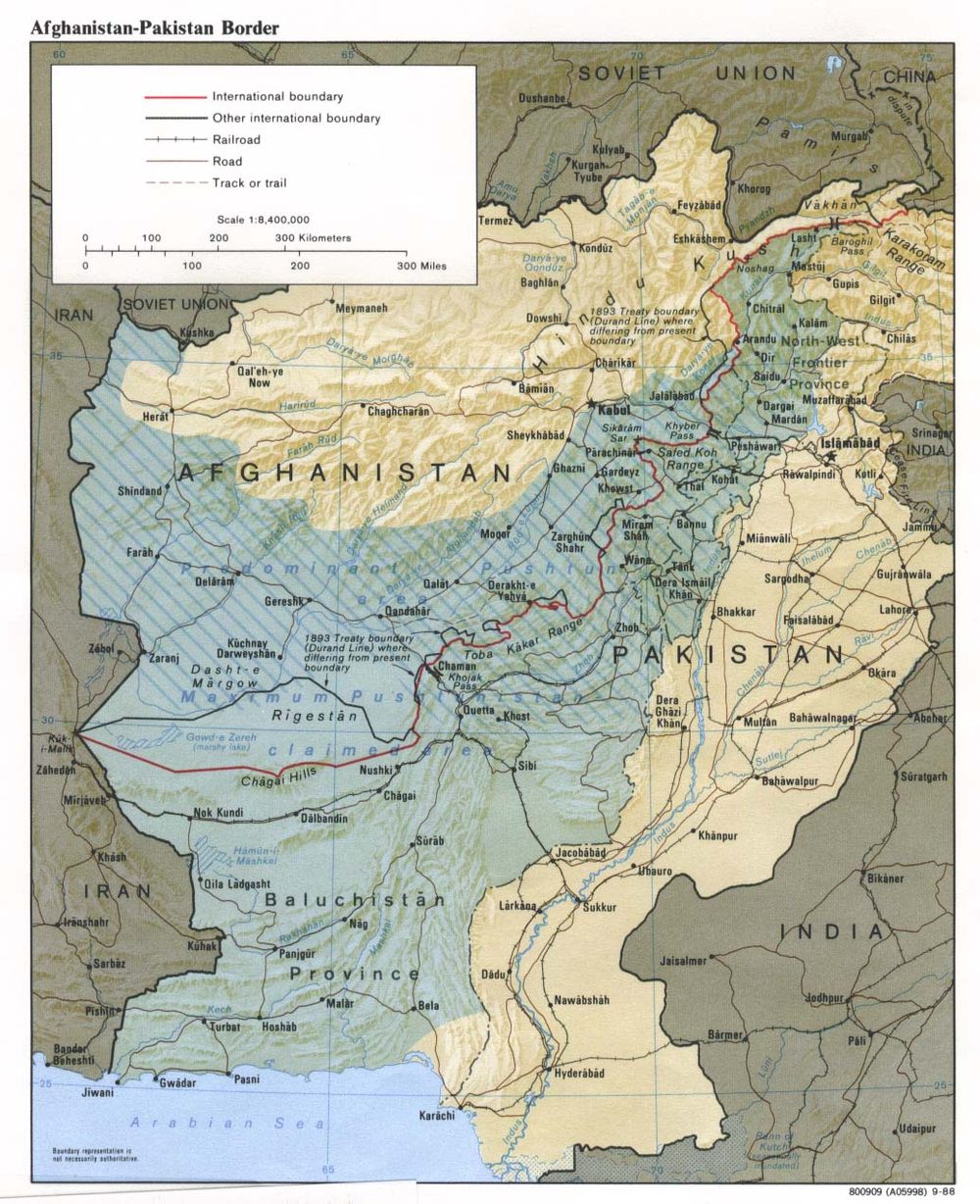
Afghan Taliban government spokesman Zabihullah Mujahid said the Pakistani strikes hit the eastern provinces of Khost, Kunar and Paktika. He said 11 children, one woman and one elderly man were killed, and that 14 others, mostly women and children, were wounded. Afghanistan has repeatedly said its territory is not being used to threaten other countries.
Why it matters
The strikes ended about a month of relative calm and returned the two neighbours to the pattern of cross-border retaliation that has defied mediation since early 2026. In February, Pakistan struck seven camps inside Afghanistan after a string of suicide bombings, provoking a Taliban offensive on border posts and a Pakistani declaration of “open war”. A Pakistani air strike on the Omid Drug Rehabilitation Hospital in Kabul in March killed at least 269 people, according to a United Nations report, and the two sides agreed a ceasefire last October after weeks of deadly clashes.
Both sides have given widely differing casualty figures throughout the conflict, and neither account could be independently verified. Information Minister Tarar said Pakistan had always tried to maintain regional peace and stability but that the safety of its citizens remained the top priority, and that the counter-militancy campaign under the “Azm-e-Istehkam” framework would continue. China has hosted reconciliation talks and other friendly countries have encouraged a durable agreement, but the roughly 2,600-kilometre border has remained largely closed since October, disrupting trade and transport.
Pakistan has always strived for maintaining peace and stability in the region, but at the same time the safety and security of our citizens remains our top priority.
Sources & reporting notes
This is a summary of published reporting, not independent reporting. Details are as carried by the cited sources, which were reviewed on 2026-06-10. The two governments' casualty figures are contested claims.
- Associated Press of Pakistan — "Pakistan conducts precision strikes on Khwarij hideouts along border, eliminates 26 terrorists: Attaullah Tarar"10 June 2026 · Tarar's statement, the four destroyed targets and the recent attacks cited as the trigger.
- BBC News — "Pakistan launches deadly air strikes in Afghanistan, reigniting tensions"10 June 2026 · The competing casualty claims, the provinces hit and the breakdown of the month-long pause.