Reporting snapshot · 7 November 2026 (Asia/Karachi). The bronze medal is confirmed, but the appeal remains pending and the International Mixed Martial Arts Federation has not published a decision or a timetable. The exact weight of the review is also unclear: a scoring review can explain the judges' cards, but it does not by itself overturn a result.
What happened
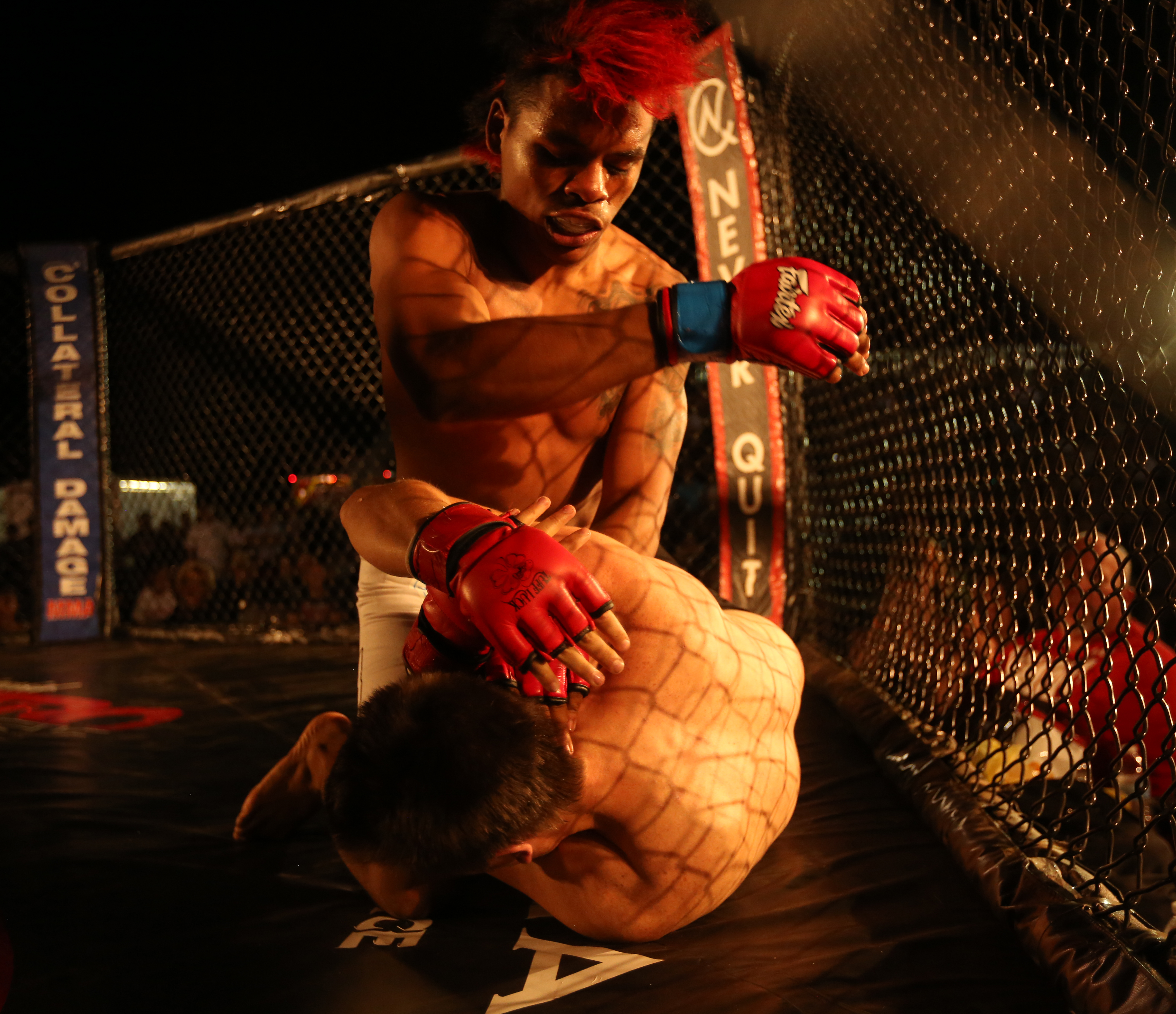
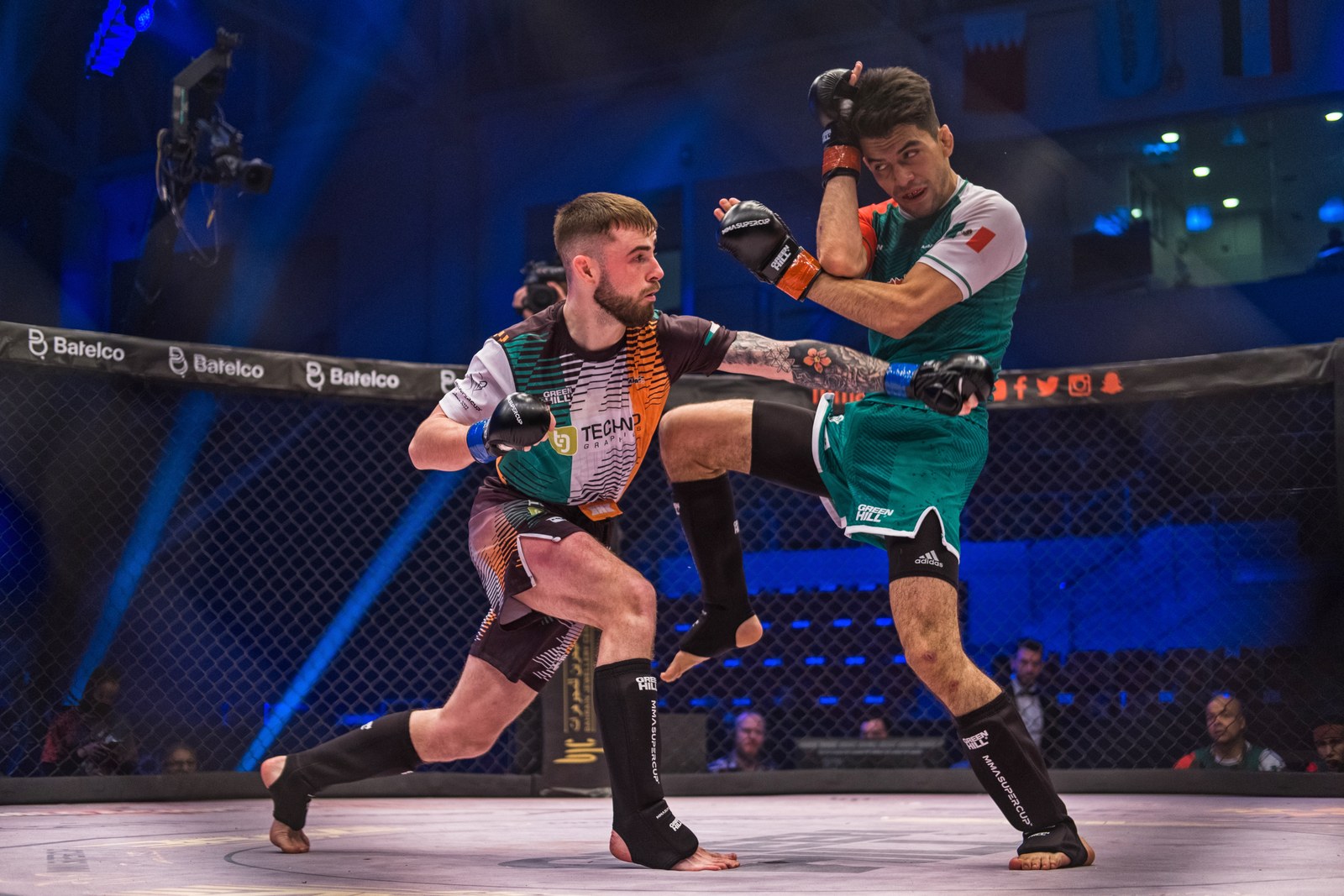
Pakistan’s Maliha Ali won a bronze medal in the women’s featherweight competition at the IMMAF World Championships in Tbilisi, Georgia, after losing her semifinal to Russia’s Polina Baldina on a split decision. The Pakistan MMA Federation has formally challenged the result, asking the sport’s world governing body for a round-by-round explanation of how the judges scored the bout.
The Express Tribune reported that Ali lost the semifinal on Thursday, 5 November, after the judges returned cards of 30-27, 29-28 and 29-28. The defeat still left Ali with a bronze medal. Dawn reported on 7 November that she fought with a fractured toe, a severely bruised eyelid and a partially dislocated jaw.
The championships were held in Tbilisi, Georgia. IMMAF said the semifinals were held on Thursday, the fourth day of competition, with the finals beginning the following day.
How Ali reached the semifinal
Ali’s run to the last four included a victory over Veronika Drozdova, a two-time European champion. According to The Express Tribune, she beat the Russian on a split decision. She then defeated Mexico’s Andrea Gabriela Guzman Salazar by unanimous decision to reach the semifinals.
The semifinal matched her against Baldina, a former world champion. The bout went the distance and was decided on the judges’ cards rather than by a stoppage or submission. The three cards did not agree: one judge scored the fight 30-27, while the other two returned 29-28 cards. The split went against Ali, who had to settle for bronze.
The Pakistan MMA Federation said it has asked the head of the IMMAF refereeing and judging commission for a round-by-round scoring breakdown, clarification of the discrepancies and a technical review of the contest. Federation president Omar Ahmed also raised concerns about judging consistency, noting that Pakistan had lost another semifinal on a split decision at last year’s championships, The Express Tribune reported.
Why the scoring is disputed
A split decision is not unusual in combat sports, but the wide gap between the cards in Ali’s bout is. One judge scored the fight 30-27, a margin that suggests a clear winner, while the other two scored it 29-28, a margin that can turn on a single round. When judges disagree that sharply, federations often ask for the detailed scoring to understand which rounds and which criteria produced the difference.
The appeal is directed at the officiating rather than at Baldina. The Russian advanced to the final and remains the winner of the bout unless the review changes the record. Ali’s bronze has already been awarded. The federation’s request is for a round-by-round explanation and a technical review, and it has not said it expects the medal to be reassigned.
The Express Tribune reported that the federation submitted the challenge formally and requested the review in writing. It did not say how long IMMAF has to respond, and IMMAF has not published a statement on the case.
Why a world championship bronze matters
The result adds to a year in which Pakistani mixed martial arts has gained international attention. In September, Asim Khan won Pakistan’s first medal at the 2026 Asian Games in Nagoya, taking bronze in the men’s modern -60kg competition after a semifinal defeat. KhabarWire reported that MMA was appearing at the Asian Games for the first time, with Khan as Pakistan’s only representative in the sport.
Ali’s medal comes in a different setting. The IMMAF World Championships are the global championship for amateur MMA, with national federations entering fighters across junior and senior divisions. A medal at that level gives a Pakistani athlete a result that can be measured against the sport’s international field rather than only against regional competition.
Her run also highlighted the physical cost of the schedule. Dawn reported that she competed with a fractured toe, a badly bruised eyelid and a partially dislocated jaw. The injuries did not stop her from reaching the semifinals, but they are part of the context in which the appeal is being made: the federation is arguing that a fighter who had already beaten a two-time European champion deserved a clearer explanation of how her tournament ended.
Ali’s twin sister, Manesha Ali, also competed in Tbilisi. According to The Express Tribune, Manesha, a gold medallist at the IMMAF World Cup in Angola earlier this year, lost a split decision to Poland’s Martyna Caruk in the lightweight quarterfinals. The two results mean the family’s tournament ended with one bronze and one narrow defeat, both decided on the judges’ cards.
What happens next
The immediate question is whether IMMAF will provide the scoring breakdown the federation has requested and whether it will comment publicly on the consistency of the judging. The federation has not said whether it would pursue the matter further if the response upholds the result, and it has not announced any separate protest to a higher body.
For Ali, the bronze stands as her result at the 2026 championships. Whether the appeal changes how that result is remembered depends on a review process that has not yet produced a public outcome. The medal itself is secure; the argument about how she reached it is not.