What happened
The Kalash valleys of Khyber Pakhtunkhwa’s Chitral district have been inscribed on the United Nations Educational, Scientific and Cultural Organisation’s (Unesco) ‘World Heritage Tentative List’, it emerged on Tuesday.
According to Unesco’s website, a country must make an inventory of important natural and cultural heritage sites located within its boundaries, which is known as the Tentative List. “It is an important step since the World Heritage Committee cannot consider a nomination for inscription on the World Heritage List unless the property has already been included on the state party’s Tentative List,” it says.
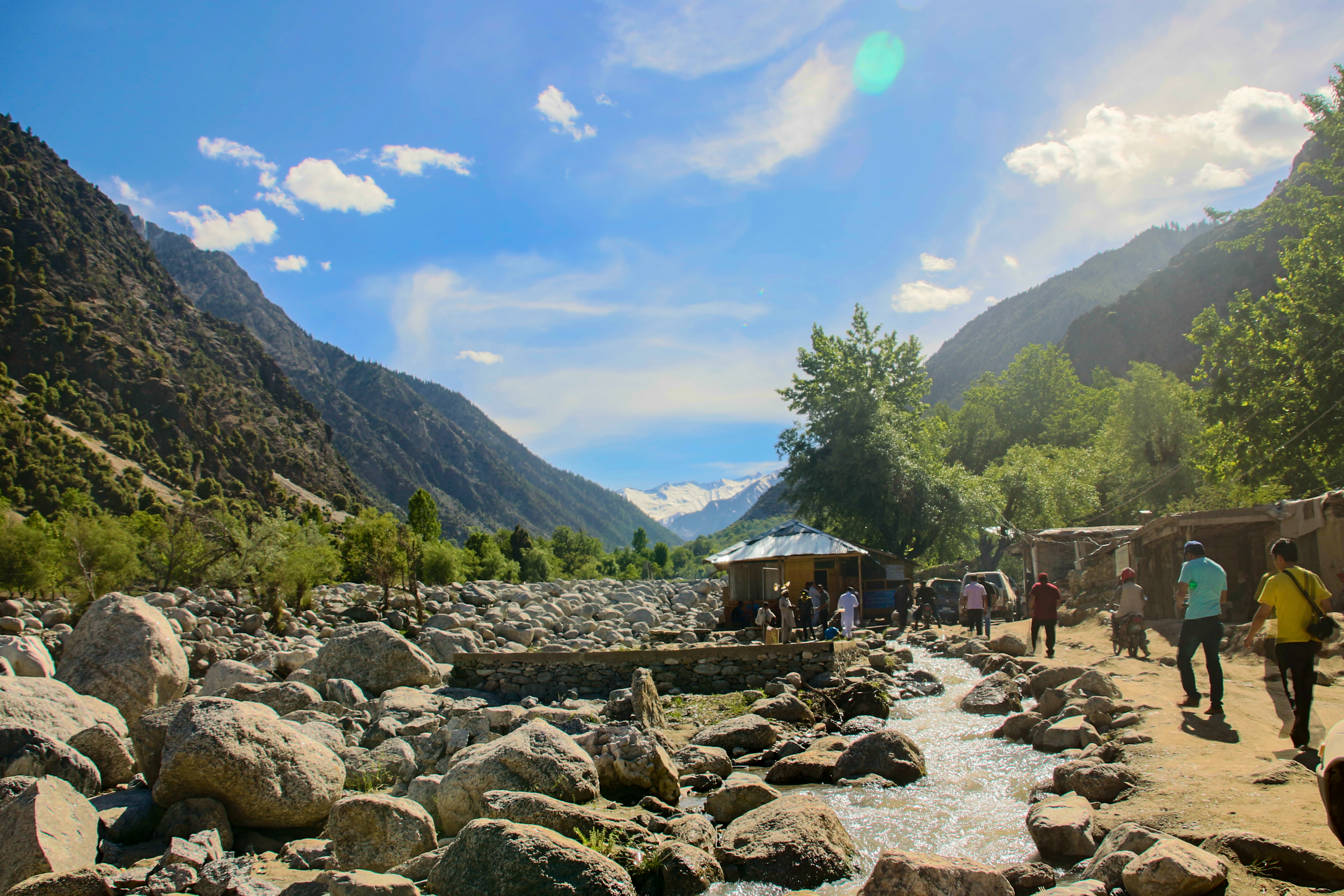
Kalash, an enclave of three remote and inaccessible valleys of Bumburate, Birir and Ramboor, is located in Chitral district and inhabited by over 4,000 indigenous people who profess a polytheistic religion and unique cultural practices. KP Director General of Archaeology and Museums Dr Abdul Samad told Dawn that the development was a significant achievement towards the preservation of Kalash culture.
“It is the first time an entire community and its cultural practices have been listed by the Unesco World Heritage Tentative List,” he said. He said his department had been working to get the Kalash cultural landscape on the UN agency’s heritage list for more than a decade, and that the enlistment would contribute to preserving both the tangible and intangible aspects of Kalash culture.
Dr Samad said that in the first step a submission needed to be accepted by the World Heritage Centre on its tentative list, followed by a formal notification by the UN body. After tentative enlistment, a dossier needs to be submitted to the UN body incorporating bylaws and other necessary steps. He said the inscription had put Kalash culture on the national and international cultural map, providing for bylaws, community development and preservation of tangible and intangible heritage.
KP Governor Faisal Karim Kundi, in a post on X, welcomed the development, terming it a “major milestone”. He noted that KP was “home to some of the world’s most breathtaking landscapes and unique cultural traditions, and this recognition is long overdue”. “A well-deserved moment that brings global attention to the beauty and heritage of our region,” Kundi added.
Why it matters
According to Unesco’s tentative-list entry, “The Kalasha Valley cultural landscape possesses outstanding universal value (OUV) as an extremely rare and exceptionally well-preserved example of a living indigenous cultural system”. It said the system has continued without interruption for centuries within its original geographic and cultural setting, and that despite historical changes, outside influences and social pressures, the Kalasha community has successfully maintained its distinct identity.
Unesco said the tangible heritage includes more than 140 recorded ceremonial structures, ritual platforms, ancestral graveyards featuring distinctive wooden carvings, and traditional villages, each with its own name, purpose and meaning within the memory and identity of the community. The intangible heritage, it said, includes a structured system of religious rituals and seasonal festivals, as well as oral storytelling, unique musical forms, traditional dances, distinctive clothing and customary laws overseen by a council of elders.
What is still uncertain
Tentative-list inscription is not the same as full World Heritage status. A formal nomination dossier, incorporating management plans and legal protections, still has to be prepared and assessed before the World Heritage Committee can decide on inscription. The reports did not give a timeline for submitting that dossier or for any eventual decision.
Sources & reporting notes
This is a synthesis of published material, not eyewitness reporting. Sources were reviewed on 2026-04-28.
- Primary source — Dawn: “Chitral’s Kalash Valleys added to Unesco’s World Heritage Tentative List”28 April 2026 · Report on the listing, the official reaction and the steps that remain.
- Unesco World Heritage Centre — Tentative List entry: “The Kalasha Valley cultural landscape”Reference for the outstanding universal value and the tangible and intangible heritage described in the listing.