Reporting snapshot · 18 November 2026 (Asia/Karachi). The operation's figures come from a Kohat police statement, and the governor's account of the trade from his remarks at a defence workshop; neither the judicial commission nor the provincial mining company has been notified, and the machinery count does not match the fleet the province described three days earlier.
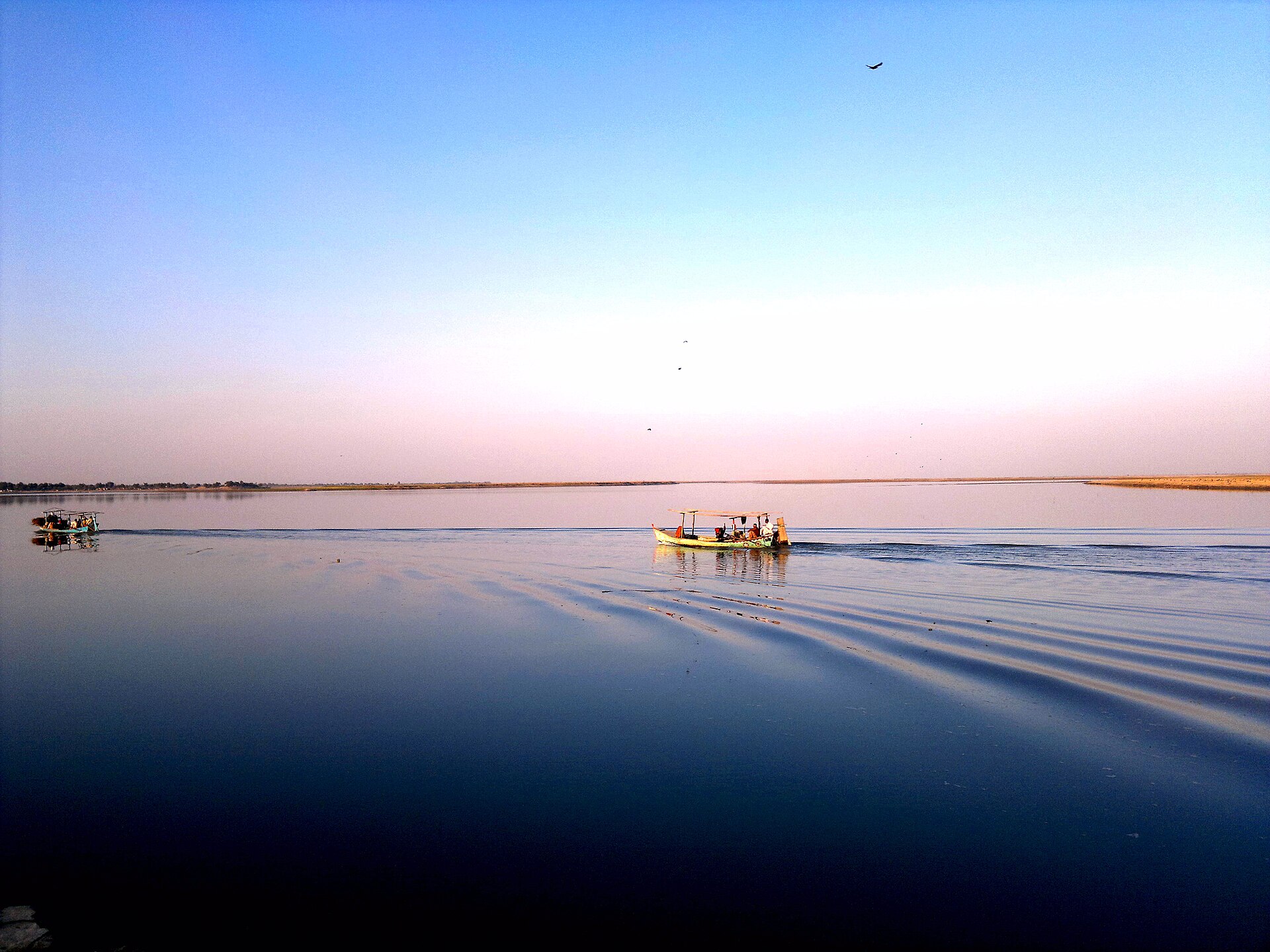
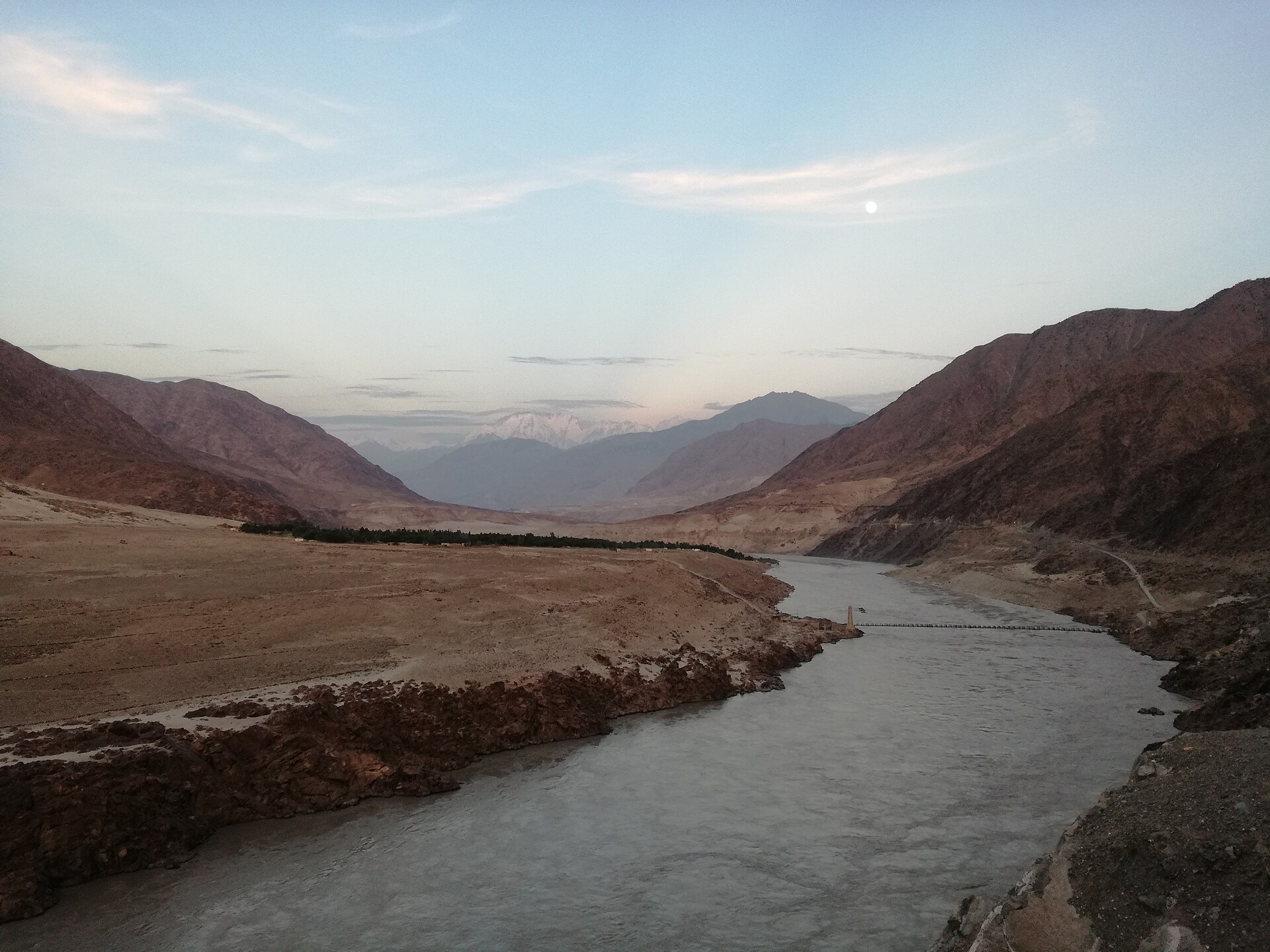
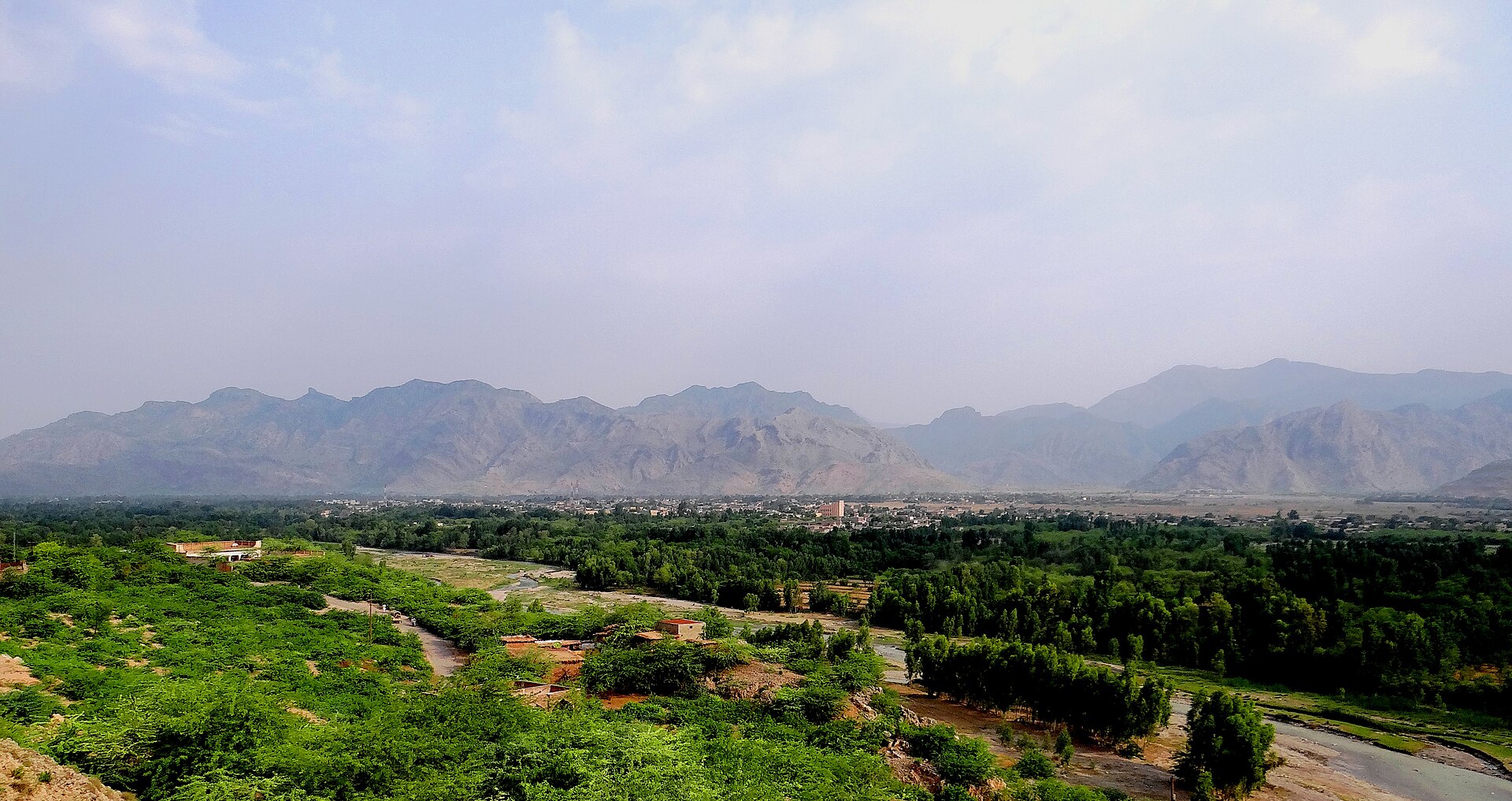
On Tuesday, 17 November, Khyber Pakhtunkhwa police began enforcing the gold mining crackdown that the province had announced three days earlier, clearing a 94-kilometre stretch of the Indus in Kohat district and registering more than 760 cases, according to a Kohat police statement carried by The Express Tribune.
The move follows Governor Faisal Karim Kundi’s decision on Saturday, 14 November, to cancel every gold mining lease in the province, suspend mining and order leaseholders and contractors to remove their heavy machinery from the affected areas within a week, which KhabarWire reported at the time. Three days after that announcement, and before the week-long removal deadline had run out, police and district administration teams were clearing sites in mineral blocks C and D along the river, the police statement said, in coordination with other government departments.
Police said they had removed 10,620 tractor-trolleys, 5,800 tractors, 4,920 excavators, 5,080 tractor-trolleys fitted with dynamos, 935 dumpers and 435 heavy loaders, along with thousands of other machines and vehicles.
That haul does not line up with the fleet the province described three days earlier. At the 14 November press conference, The Express Tribune counted 3,000 excavators, 1,600 dumpers and 200 heavy loaders at work, while Geo News put the fleet at 8,350 tractors with tractor-trolleys and 1,730 heavy dumpers. The police count is larger than the earlier estimates on excavators, at 4,920 against 3,000, and on heavy loaders, at 435 against 200, but smaller on dumpers, at 935 against 1,600 and 1,730, and no reconciliation has been published. The two sets of figures also measure different things, machinery in the water against machinery seized, but a gap running in both directions is wide enough that neither can be treated as an inventory of what is still working.
The operation follows earlier action in the same area. Radio Pakistan reported on 15 November that Khyber Pakhtunkhwa police and the district administration had run operations against illegal gold mining in Nowshera and Kohat, setting heavy machinery used for the trade ablaze and recovering cash and equipment, and that police personnel had been martyred while carrying out their duties. The 17 November clearance is the first of those actions for which police have published case registrations and a count of the machinery removed.
What the governor promised at the workshop
Governor Kundi put a price on the trade again when he addressed the 28th National Security Workshop of the National Defence University at Governor House on the same day, saying minerals worth about Rs4.2 billion were being extracted illegally in Kohat every month and that investigations had found links between illegal mining groups and the banned Tehreek-e-Taliban Pakistan, with nearly 80 per cent of the proceeds transferred to Afghanistan, the Associated Press of Pakistan reported. Both claims were put to the province at the 14 November press conference, where the governor named political figures he said had backed the trade and said no first information reports had been registered against them.
What the governor added on Tuesday were two institutional steps. A judicial commission would be constituted, he said, and the province was establishing its own mining company so that the mineral revenue could be used transparently, with investors given security and the returns going to local communities and provincial development. Neither the judicial commission nor the mining company has been notified, so what either body can compel is not yet on the record.
Who the minerals belong to
The crackdown is running through a dispute over who controls the province’s mineral wealth. The Express Tribune reported that opposition and regional parties describe the operation as a resource grab that would hand Khyber Pakhtunkhwa’s gold and other deposits to Islamabad and to federal-backed entities, and that the PTI and JUI-F have warned against placing the province’s mineral resources under federal or other external authority or control while the emergency and governor’s rule continue. The federal government has rejected that reading: Parliamentary Affairs Minister Tariq Fazal Chaudhry dismissed the claims in the National Assembly on 29 October, saying the decision was driven by security concerns rather than an attempt to seize provincial resources.
What happens next turns on three things that have not been published: the notification constituting the judicial commission, the terms on which the provincial mining company will take over, and whether the machinery removed this week is impounded, auctioned or handed back to the leaseholders who have been given a week to take it away. Every week of enforcement adds to a question the provincial parties are already pressing, which is who a mineral right in Khyber Pakhtunkhwa belongs to while the advisory council is running the province. KhabarWire reported the transfer of power to that council in October, and is following the crackdown in its KP gold mining hub.