Reporting snapshot · 12 November 2026 (Asia/Karachi). The order was made on Wednesday, 11 November, and the written order has not been published, so the terms described here come from the accounts of two outlets that reported the hearing. Sohail Afridi has not been produced before the court and his whereabouts remain disputed. The case is adjourned to 17 November, and the question of where he is being held is before the provincial high court at the same time.
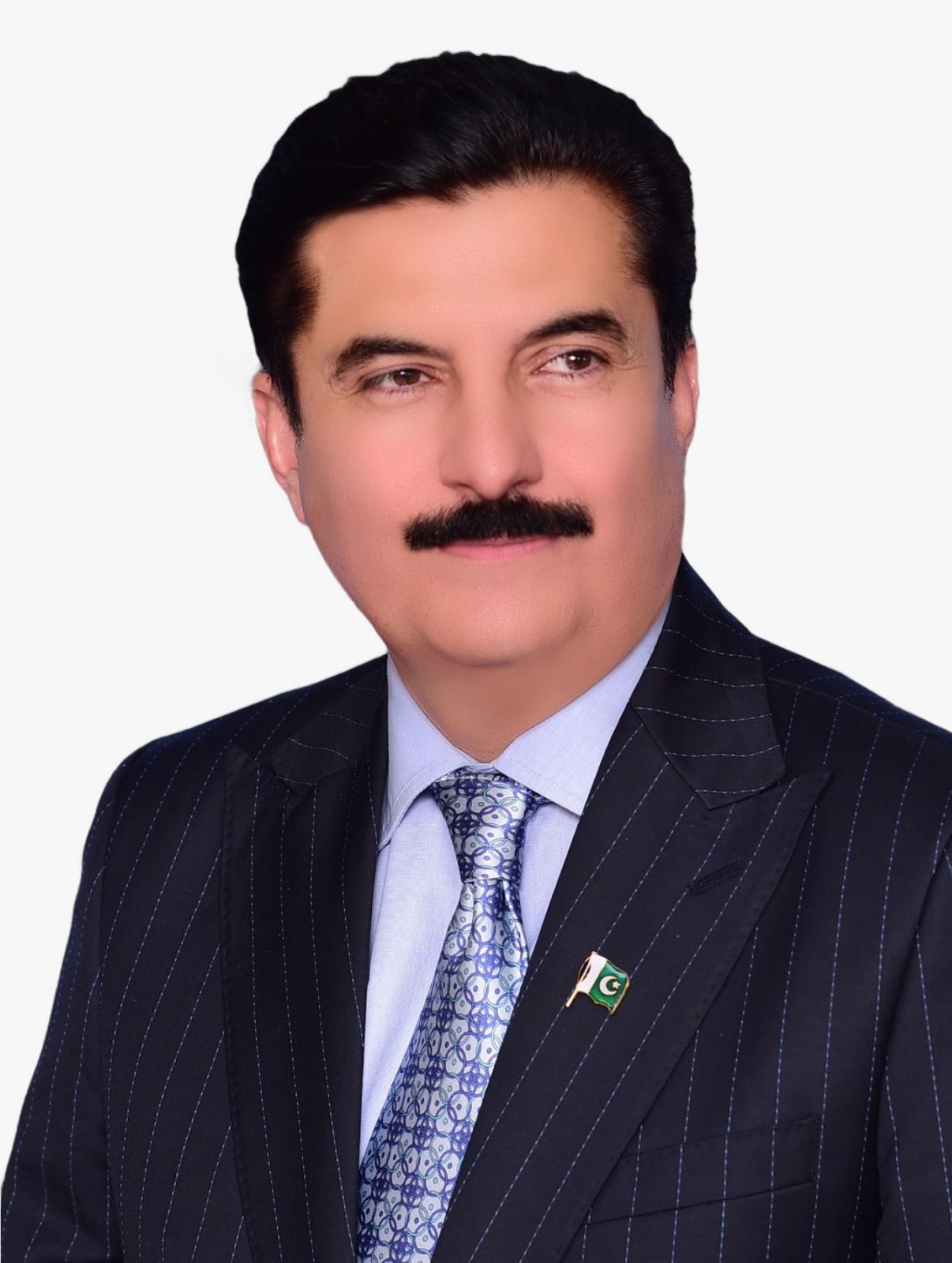
On Wednesday, 11 November, an anti-terrorism court in Peshawar reissued arrest warrants for Sohail Afridi, the Khyber Pakhtunkhwa chief minister whose provincial government was replaced by emergency and governor’s rule on 11 October, and for the Pakistan Tehreek-e-Insaf (PTI) activist Aamir Khan Chamkani, in the case of the arson attack on Radio Pakistan’s Peshawar station during the unrest of 9 and 10 May 2023, The Express Tribune reported and Pakistan Today reported.
What changed on Wednesday was not the direction of the case but its machinery. The court had issued warrants for Afridi and four other PTI figures on 28 October, after the prosecution formally named them as accused, and those papers came back unserved. Reissuing them is the step that could put the order into effect, and it lands while the question of where Afridi is being held is itself before the courts.
Judge Wali Muhammad Khan presided. The court adjourned the hearing to 17 November and extended the interim pre-arrest bail of three PTI figures — former ministers Taimur Saleem Jhagra and Kamran Bangash, and the party’s Peshawar president Irfan Saleem — to the same date. Their lawyers asked for more time, telling the court “We are not prepared today. We should be given time, and the hearing should be adjourned,” The Express Tribune reported. Pakistan Today reported that Afridi’s counsel, Advocate Ali Zaman, told the court his client’s whereabouts remained unknown, and alleged that Afridi had been taken away from the Chief Minister’s House on 11 October, when emergency and governor’s rule were imposed, though no arrest had been formally reflected on the record.
A 2023 case that grew a 2026 charge sheet
The case concerns the attack on and burning of Radio Pakistan’s Peshawar building during the protests that followed the arrest of PTI founder Imran Khan on 9 May 2023. It was registered at the East Cantt police station on 10 May 2023 on the complaint of the then station house officer, Arbab Naeem Haider, under sections of the Pakistan Penal Code and the Anti-Terrorism Act, Pakistan Today reported. The station began operating in 1935, and the fire destroyed archives of Pashto and Hindko music, dramas and speeches, The Express Tribune reported. More than 80 PTI leaders and workers were initially reported to have been nominated in cases related to the violence and the attack on the building, it added.
Radio Pakistan named Afridi, Jhagra, Bangash, Saleem and Chamkani in the case, The Express Tribune reported. None of the five appears in the original first information report or the charge sheet, Pakistan Today reported, and they entered the case only last month, when the prosecution filed a supplementary challan nominating Afridi and four other PTI members as accused.
What the identification rests on
The nomination follows forensic work that has been running since December 2025, when the court ordered an examination on an application by Pakistan Broadcasting Corporation’s counsel, Shabbir Hussain Gigyani, Pakistan Today reported. The Punjab Forensic Science Agency matched the facial features of the five men to images of people said to have been seen in footage of the incident, and the National Database and Registration Authority (Nadra) identified identity numbers as probable matches for the profile pictures submitted for examination, it reported. The account rests on a supplementary statement by Radio Pakistan Peshawar station director Tufail Ahmad and a report from the investigating officer, Deputy Superintendent of Police Khushal Khan, Pakistan Today reported. In November 2025 the court had directed prosecution witnesses and the investigating officer to appear with the case property, The Express Tribune reported.
The Express Tribune reported that the laboratory analysed 16 video clips in January, and that the footage showed Afridi, Bangash, Jhagra and Saleem. The report, it said, also noted that some clips showed signs of editing or splicing. The newly nominated accused have challenged the authenticity of the videos, maintaining that the footage does not relate to the incident, Pakistan Today reported.
Why the October papers could not be served
The difficulty with serving a warrant on a former chief minister is locating him. Reports of Afridi’s detention emerged immediately after the federal government announced emergency and governor’s rule in Khyber Pakhtunkhwa on 11 October under Articles 232 and 234 of the Constitution. The government cited a deteriorating law and order situation and a lack of support from the provincial administration in the fight against terrorism, The Express Tribune reported. On 12 October, the minister of state for interior confirmed that Afridi and some members of his cabinet had been taken into preventive custody, it reported.
His brother moved the Peshawar High Court on 13 October seeking Afridi’s immediate recovery, arguing that his alleged abduction and continued detention violated his fundamental rights and asking for an independent judicial inquiry, The Express Tribune reported. The province’s governor and advisers told the court that the chief minister, the provincial assembly speaker Babar Saleem Swati and MNA Junaid Akbar were in protective custody, it said. On 3 November the high court said a larger bench should be constituted to hear the petitions and sent the case to the chief justice, with the advocate general asking for time to submit a report on the detentions, The Express Tribune reported.
That route is now contested. On 5 November the Federal Constitutional Court restrained the Peshawar High Court from hearing cases arising from arrests under Section 3 of the Maintenance of Public Order Ordinance in the province, suspended the high court orders under challenge and adjourned the case indefinitely, Geo News reported. The case before it involves Afridi and others, The Express Tribune said. KhabarWire reported that order as an assertion of constitutional authority over a provincial high court, and a week later the high court stopped hearing all writ petitions filed on or after 12 October, a step KhabarWire reported at the time. The file is tracked in KhabarWire’s Khyber Pakhtunkhwa emergency hub.
The court that reissued the warrants is itself the subject of a provincial overhaul. On 8 November the Khyber Pakhtunkhwa government announced plans for faceless anti-terrorism courts, with the identities of judges, witnesses and police personnel kept confidential, KhabarWire reported.
What 17 November has to settle
Three things turn on the next hearing. The first is whether the interim pre-arrest bail of Jhagra, Bangash and Saleem is extended further; their lawyers told the court on 11 November that they needed time to prepare. The second is whether the court deals with Afridi at all, given that nobody has been produced before it, his counsel says his whereabouts are unknown, and the papers issued in October could not be served. The third is whether the forensic identification is reached: the case against the five men rests on video clips and identity documents, and the laboratory’s own report noted signs of editing or splicing in some of the footage, which the newly nominated accused have challenged.
The wider question sits in another court. Afridi’s whereabouts have been before the Peshawar High Court since 13 October, and that file now intersects with the constitutional court’s restraint on the high court and the suspension of post-12 October writ hearings. Whether a warrant issued in Peshawar can be executed while the question of where the chief minister is remains unresolved is not settled, and the province’s own plan for faceless anti-terrorism courts would change the forum in which the case is tried if it happens at all.