What happened
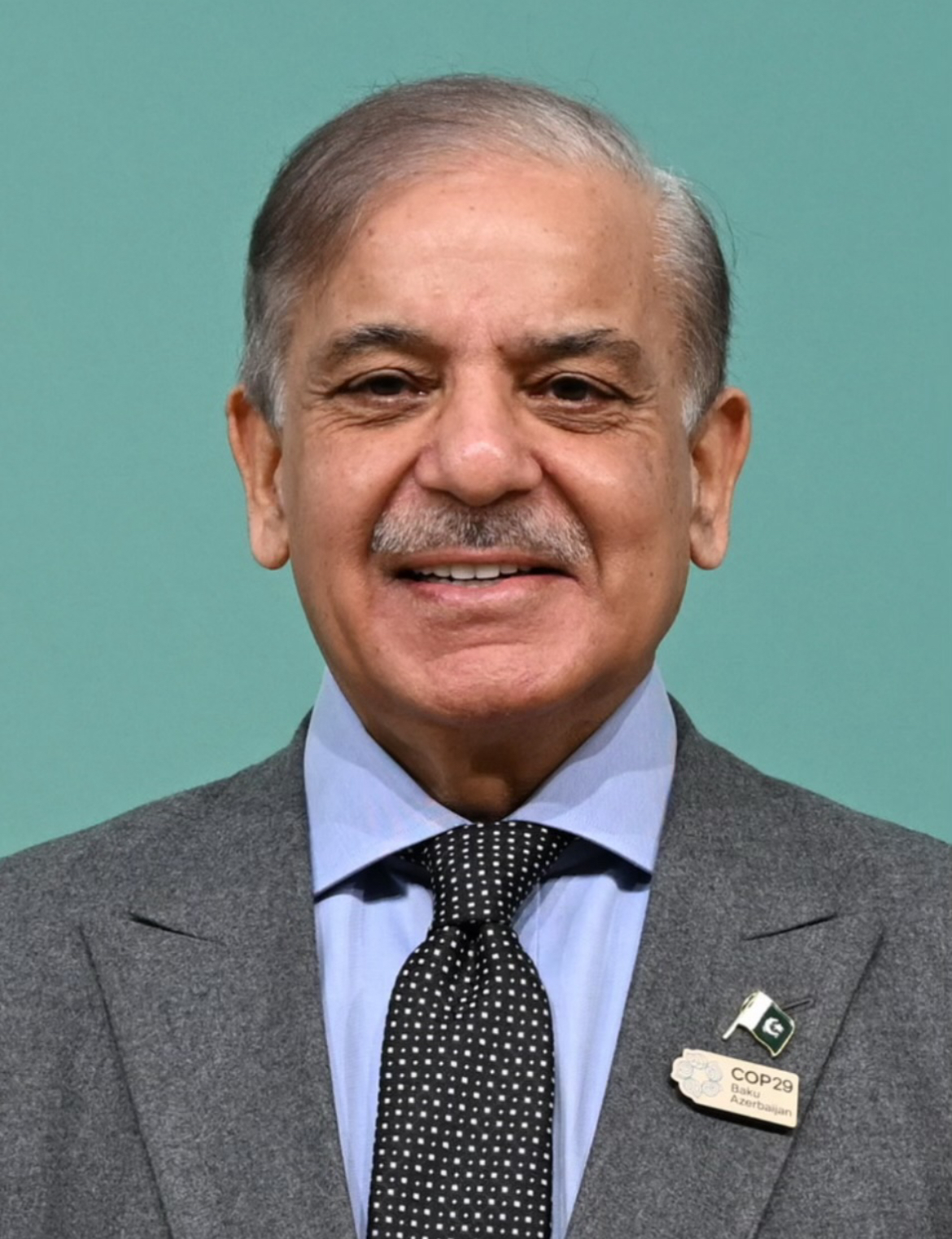
Defence Minister Khawaja Asif said on Saturday that India was planning a “false-flag operation” to malign Pakistan, and warned that any such move would draw a response reaching as far as Kolkata, Pakistan Today reported.
Speaking to reporters in his hometown of Sialkot, Asif alleged that India could stage an incident using “its own men or Pakistanis in their detention”, placing bodies and presenting them as terrorists in order to create a justification for escalation. He offered no evidence for the allegation.
“If they try to enact such a drama this time, then God-willingly, we will take them to Kolkata,” he said, referring to the capital of India’s West Bengal state. He recalled last year’s confrontation and praised the Pakistan Air Force’s performance, saying India continued to face criticism at home and abroad despite being larger than Pakistan in population, resources and military strength.
Why it matters
The remarks extend a sharp public exchange between the two nuclear-armed neighbours. They follow both a warning from Pakistani security sources, reported earlier in the week, that India might stage an operation involving Pakistani nationals who had inadvertently crossed the border, and a statement by Indian Defence Minister Rajnath Singh cautioning Pakistan against any “misadventure” during the Middle East conflict.
Asif said in a post on X that “repeated rhetoric reflects not strength, but visible strategic anxiety”, linking it to the approaching anniversary of the 22 April Pahalgam attack in Indian-administered Kashmir last year. New Delhi blamed Pakistan for that attack without conclusive evidence; Islamabad denied involvement and called for an independent investigation. The military escalation that followed, which Pakistan’s army later termed Operation Bunyanum Marsoos and Marka-i-Haq, ran until 10 May. In the same appearance, Asif expressed optimism about Pakistan’s role in facilitating dialogue between the United States and Iran. Asif had said in February that Pakistan would not hesitate to strike across the border unless Kabul stops cross-border militancy.
What is still uncertain
Asif did not present evidence for the alleged plot, and no independent confirmation was available. It remains to be seen whether the fresh warnings change the security posture along the Line of Control and the working boundary, or whether they remain a war of statements. Analysts have cautioned that with the Pahalgam anniversary approaching and both governments under domestic pressure, the risk of miscalculation is elevated even without a new incident.