Reporting snapshot · 29 November 2026 (Asia/Karachi). Rescue officials and police have given different accounts of how many people were injured, the cause of the blast has not been formally confirmed, and the commissioner's citywide campaign had not begun when this account was published.
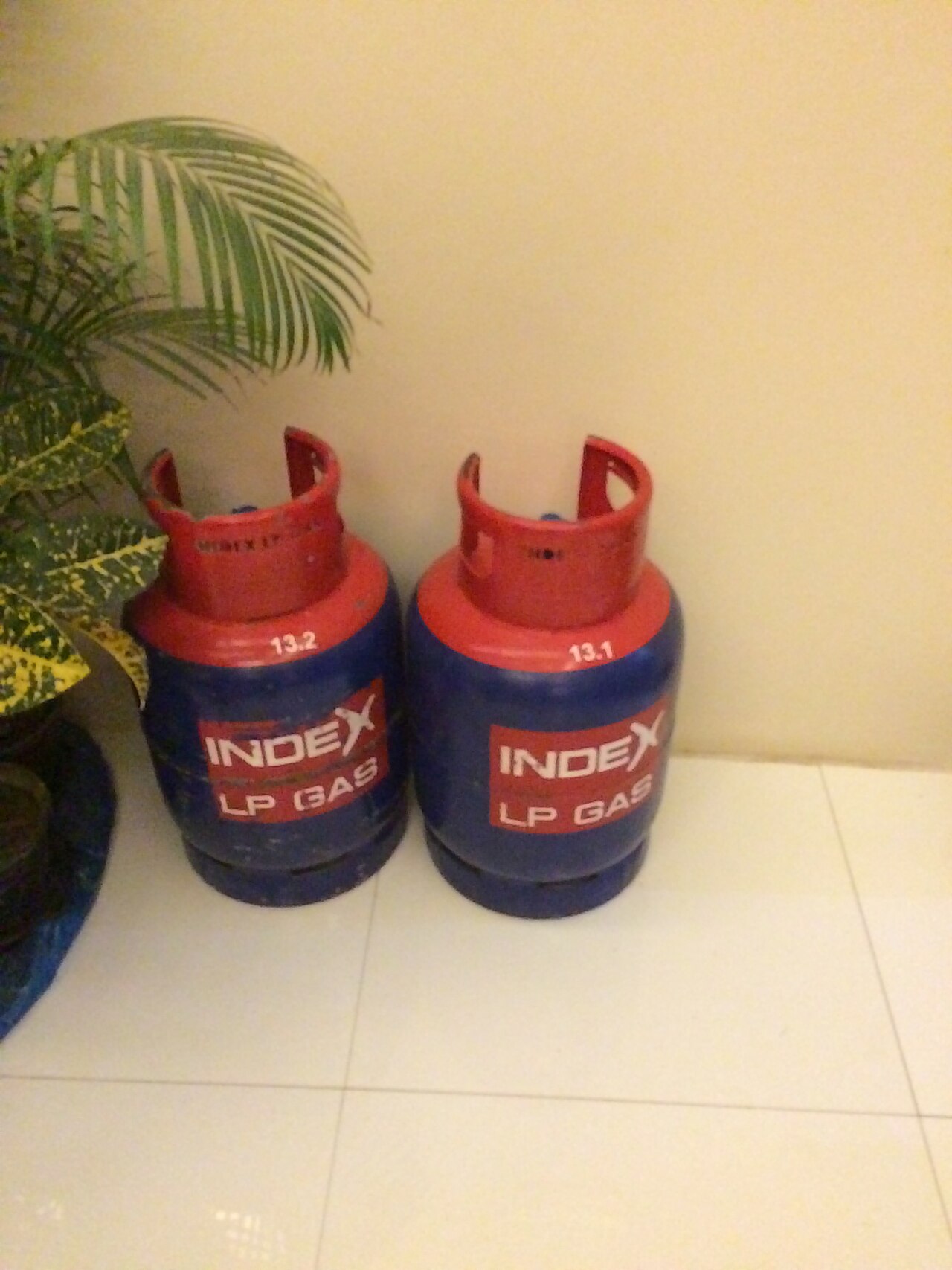
A two-storey house near Ambala Bakery in Karachi’s Mehmoodabad neighbourhood collapsed after an apparent gas cylinder explosion on the evening of Saturday, 28 November, trapping five members of one family and injuring at least two people, according to Rescue 1122 and police officials. All five were recovered from the rubble, and the city’s commissioner ordered a campaign from Sunday to seize substandard gas cylinders across Karachi.
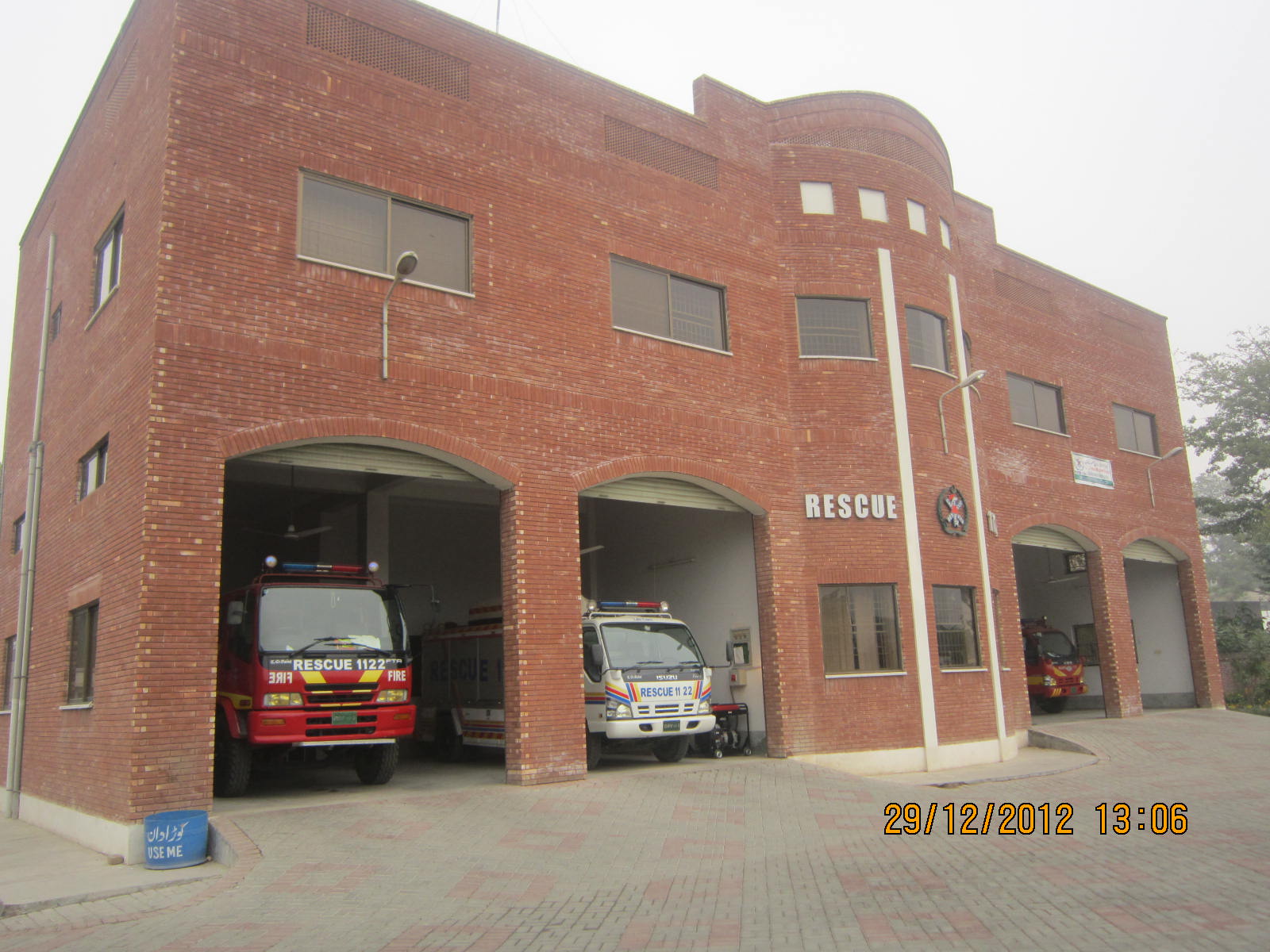
Rescue 1122 spokesperson Hassaanul Haseeb Khan told Dawn that the blast brought down the ground-plus-one house and started a fire. Residents pulled three men from the debris, and rescue workers recovered a woman and a man and took them to the Burns Centre at Civil Hospital Karachi, Khan said. An Edhi Foundation spokesperson said the woman, 55, had critical burn wounds. Dawn reported that two people were injured with burns, and Khan said no one remained under the debris.
The Express Tribune reported a slightly different account from police. East SSP Dr Muhammad Imran Khan said five people, including three women and a child, had been rescued, while Deputy Commissioner East Kashif Nabi Khuhro said one injured woman was taken to hospital. Khuhro said it was too early to establish the exact cause and that an investigation was under way. The rescue service and police accounts do not agree on the number of injured, and officials did not reconcile the figures on Saturday night.
Sindh Inspector General of Police Javed Alam Odho directed officers to reach the site, coordinate with Rescue 1122 and the fire brigade, secure the area and keep nearby roads clear, the Express Tribune reported.
The seizure order and the trade behind it
Karachi Commissioner Syed Hassan Naqvi, in a statement reported by Dawn, commended the rescue and directed all deputy commissioners to take priority action against the sale and use of “sub-standard and unsafe” gas cylinders. He called for strict action against the illegal trade and announced a citywide campaign from Sunday, with orders that such cylinders be confiscated across the city.
The order follows repeated crackdowns; Saturday’s blast shows the risk has not been eliminated. In the month before 1 April, the city administration sealed 345 shops, imposed Rs2.8 million in fines and arrested three people over the sale of unsafe cylinders, the Associated Press of Pakistan reported. In January, Parliamentary Affairs Minister Tariq Fazal Chaudhry told the Senate that the Oil and Gas Regulatory Authority had set manufacturing standards, mandatory testing and qualification requirements, and that substandard cylinders were being seized while manufacturers, distributors and shopkeepers were prosecuted, APP reported.
The Senate motion that prompted that answer, moved by Senator Waqar Mehdi, raised both substandard manufacturing and unregulated refilling units. The minister’s reply focused on manufacturing standards, inspections and prosecutions, and said such incidents increase in winter, prompting intensified inspections and the closure of unsafe manufacturing units. It did not set out how many refilling units operate without a licence or how they are inspected.
The gap matters because a cylinder can fail at home as well as in a shop. A cylinder that has been overfilled, fitted with a worn valve or refilled outside an approved plant carries the same risk whether it was sold from a roadside outlet or delivered to a kitchen. The commissioner’s order is directed at sale and use, with confiscation as the enforcement step; it does not, on the statement issued so far, set out an inspection regime for refilling units, a deadline for compliance or a public list of seized stock.
A second warning in a week of collapses
The blast came three days after a six-storey building near Baloch Colony collapsed, killing at least 13 people and leading the city to seal 516 buildings, as KhabarWire reported. That disaster focused attention on construction permits, illegal floors and the Sindh Building Control Authority. Saturday’s blast shifts part of the focus to gas installations inside homes, a separate failure mode with a long record in the city.
In February, a pre-dawn gas explosion in Soldier Bazaar brought down a three-storey building and killed 16 people, as KhabarWire reported. LPG cylinders are a common cooking fuel in parts of Karachi outside the piped-gas network, and their cost has been volatile: in October, retailers were charging more than Rs10,000 for a cylinder in some markets, more than double the regulator’s notified rate, as KhabarWire reported. At those prices, the incentive to buy a cheaper, unapproved cylinder or refill at an informal outlet is clear, though neither the city nor the regulator has published data on how large that trade is.
The commissioner’s campaign will be judged on whether it reaches that supply chain. Confiscating cylinders from shops removes stock from the market, but it does not by itself close an unlicensed filling point, test a cylinder’s valve or tell a household whether the cylinder in its kitchen is safe. The city has not said how many inspectors will take part, how long the campaign will run or what happens to the confiscated cylinders.
What the investigation has not established
The investigation has not established what ignited the gas, whether the cylinder involved was approved and properly filled, where it came from, or whether the house had a piped connection or an LPG installation. The casualty count may change: the woman taken to the Burns Centre was in critical condition, and police and rescue officials have not issued a single reconciled figure. The commissioner’s statement did not say whether the campaign will cover cylinders already inside homes or only those offered for sale.
For now, the verified account is narrow. A cylinder exploded in a house in Mehmoodabad on Saturday evening, five people were rescued, at least two were treated for burns, and Karachi’s administration has promised a citywide seizure campaign from Sunday. Whether that campaign changes anything beyond the shopfronts will depend on details the city has not yet published.