Reporting snapshot · 3 October 2026. This account draws on Reuters and Al Jazeera English reporting on 2 October and a Geo News report on the government's 3 October response. Vehicle and container totals are association estimates, not government-reconciled figures; the security-bill and rental numbers are projections. The situation is developing ahead of a march planned for 4 October.
What happened
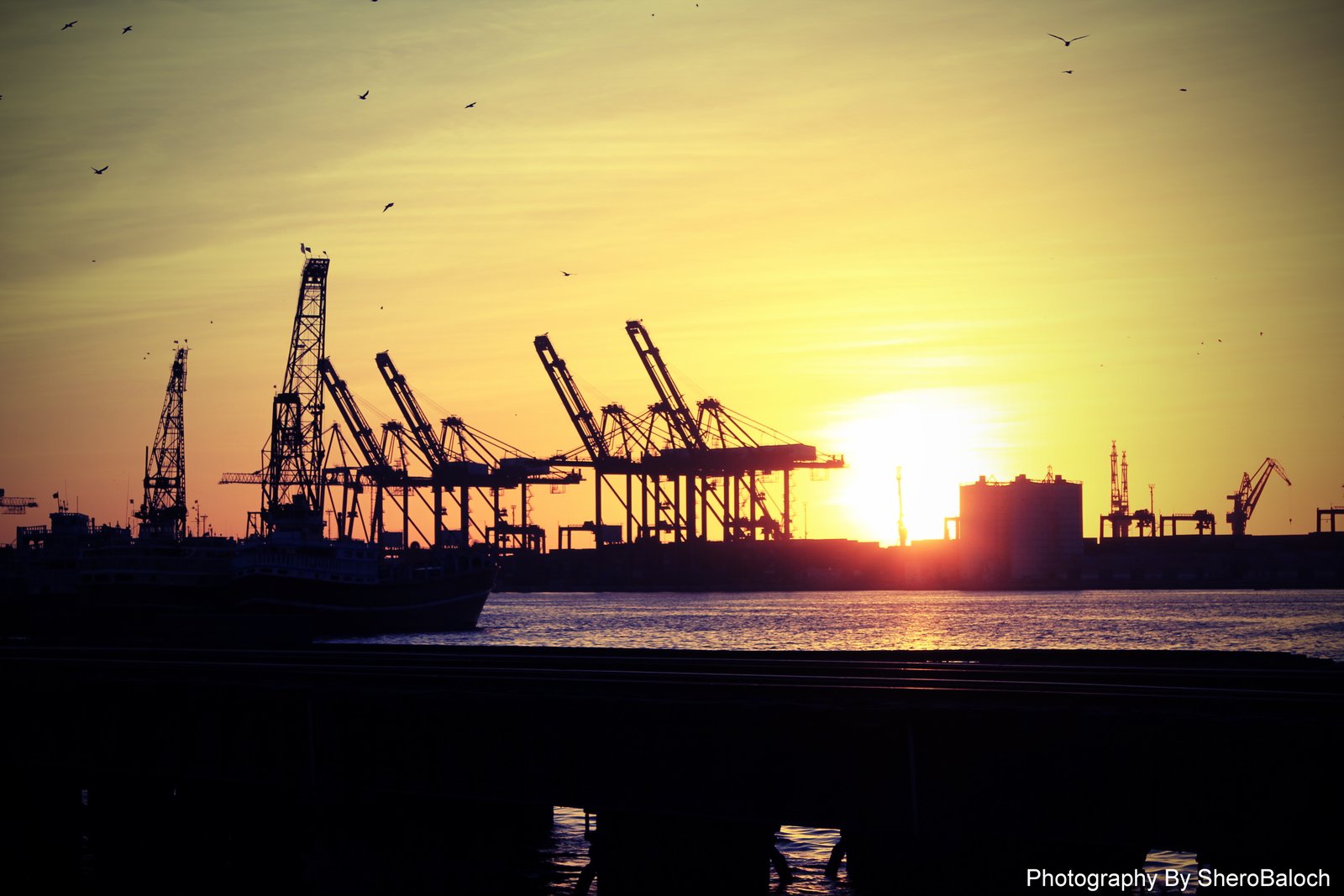
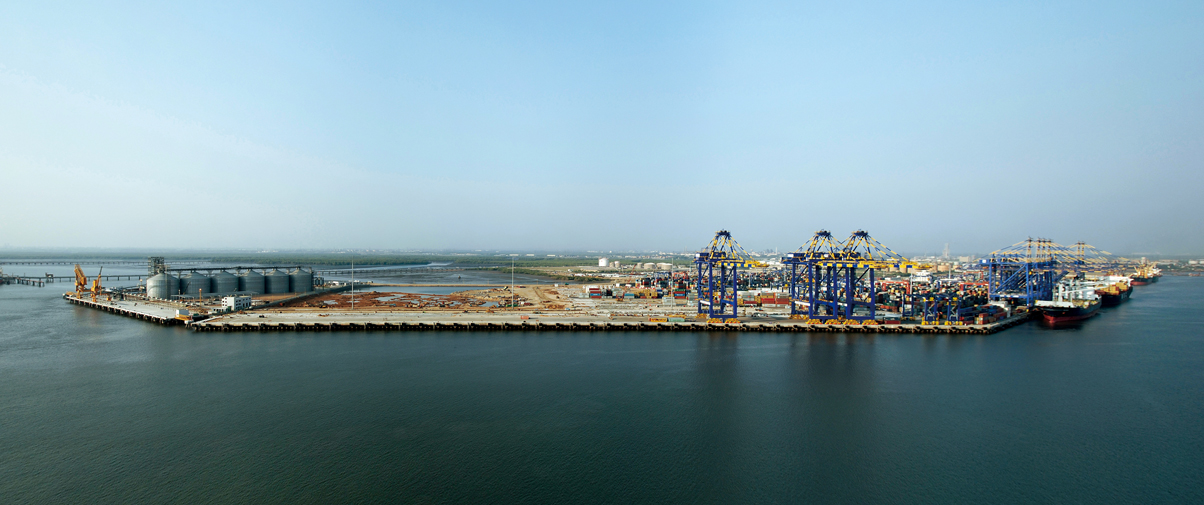
Pakistan’s effort to keep supporters of jailed former prime minister Imran Khan away from Islamabad has backed up shipping containers at Karachi, the country’s main trade gateway about 1,400 kilometres (870 miles) from the capital, after truckers began refusing to drive north for fear their vehicles would be seized and turned into roadblocks.
Reuters reported on 2 October that operators had stopped journeys beyond Gujranwala in Punjab or were diverting around the blockade, leaving containers to accumulate at Karachi’s port. The disruption affects routes towards Islamabad, Rawalpindi, Jhelum, Peshawar and Attock.
The pile-up is the freight side of a security campaign that has lined the approaches to the federal capital with welded steel boxes for nearly four weeks. Khan’s Pakistan Tehreek-e-Insaf (PTI) has called a march on Islamabad for 4 October, postponed from 27 September, to press for his release from prison. The seizures are part of the government’s preparations to block it, and they are now being felt far from the capital. KhabarWire’s earlier report on the first wave of container seizures and supply disruption covered the initial impact on the twin cities; the current phase is a national logistics problem centred on Karachi.
The cost at the port
The immediate burden falls on drivers and hauliers. “Right now, going toward Punjab is like committing suicide,” Javid ur Rehman, a 35-year-old driver who has halted such journeys, told Reuters. “The police seize the vehicles and snatch the containers, and then we are left distressed.”
Rana Mohammad Aslam, president of the Karachi Goods Carrier association, said authorities had begun stopping vehicles around 5 September and that the practice was counterproductive. “This is not the way to stop protests,” he told Reuters. He said daily demurrage charges on a single seized container can run to between 30,000 and 40,000 rupees (roughly $110 to $150), on top of missed deliveries and idle trucks.
For individual operators the risk is enough to park a loaded vehicle. Pervaiz Khan, 50, told Reuters he had kept a consignment of chemicals standing in Karachi: “Right now, my vehicle is loaded but I am not going.” Another driver, Sagheer Ahmed, 51, stranded near Islamabad, framed the stakes simply: “If the roads open, our children’s livelihood will open up. If not, we will just keep standing.”
Who pays for the containers
Transport associations and officials put the number of heavy steel boxes seized to barricade Islamabad’s roads at between 1,500 and 2,000, Al Jazeera English reported on 2 October. Roughly 2,000 vehicles and containers are held across Islamabad, Punjab and Khyber Pakhtunkhwa, according to transporters’ associations, who describe the figure as an estimate.
Muhammad Owais Chaudhry, who heads the All Pakistan Goods Transport Owners Association, told Al Jazeera that a seized truck-and-container combination costs its owner 30,000 to 40,000 rupees ($108 to $144) a day in lost earnings, and that no compensation had been paid. “No procedure has ever been worked out for how it would be paid. In our history, no transporter has ever received money for any past protests,” he said.
The state minister for interior, Talal Chaudhry, disputes that account. “Containers are hired through a proper contractual mechanism at market rates, and payments are made through official accounts,” he told Al Jazeera, adding that the government keeps a container-by-container record.
How the containers are owned complicates the bill. Mehmood ul Hassan Awan, a Karachi-based customs agent and importer, said most of the boxes belong to foreign shipping lines, which levy penalties of $150 to $300 a day that are settled abroad through the State Bank of Pakistan. “Those dollars don’t come into our economy,” he said. “They go out.” Because container and truck owners cannot easily absorb those penalties, drivers are often asked to stay with impounded vehicles, Al Jazeera reported.
The security bill and the measured toll
The containment effort carries a direct fiscal cost. Islamabad police initially sought about 820 million rupees ($2.9m) for a week of security arrangements around the planned march, and with the delay officials now expect the final bill to exceed 1 billion rupees ($3.6m), Al Jazeera reported, citing local media. One estimate put the daily rental for more than 1,500 containers at 46.5 million rupees ($167,000).
Some of the strain is showing in official statistics. Consumer prices rose 10.26 per cent year on year in September, and the transport price index climbed 27.43 per cent, the Pakistan Bureau of Statistics said on Thursday, according to Reuters. Those national figures reflect many factors, but freight and logistics costs are among them, and the transport index is the channel through which a capital blockade reaches the wider economy.
The government rejects the framing of the coverage. In a fact-check statement carried by Geo News on 3 October, the Ministry of Information and Broadcasting said the containers were placed as a precaution in compliance with Islamabad High Court directions to protect citizens’ lives and property, that “all roads are open”, and that Al Jazeera had “selectively” portrayed the measures as blockades. Interior Minister Mohsin Naqvi has said the government will adopt a permanent strategy to handle the march and will not let the country remain shut for 10 to 20 days.
What is still uncertain
Several central figures remain disputed. There is no official, reconciled total of the vehicles and containers held, only the associations’ estimate of about 2,000. The government disputes the claim that no compensation has been paid and says rentals follow documented contracts, but no independent audit has been published.
Nor is it clear when the vehicles will be released. One driver told Al Jazeera he was first told 4 October and later 16 October, with no guarantee attached. KhabarWire’s 20 September report on the government’s own estimate that protests could cost the economy around 120 billion rupees a day set out the wider macroeconomic stakes; the container dispute is a narrower and more measurable slice of that cost.
Beyond the direct losses, analysts argue the closures carry a longer-term price. Sajid Amin Javed of the Sustainable Development Policy Institute told Al Jazeera the real cost is not the container rent but the signal it sends to investors. Danyal Adam Khan, an urban governance researcher, noted the capital and Rawalpindi form the country’s third-largest metropolitan area, so sealing the city cuts off provinces far beyond it.
Whether the march proceeds as planned, and whether the government begins returning seized vehicles afterwards, will determine how much of this cost is temporary. Reuters noted that the home, information, commerce and finance ministries, Punjab police and the provincial home department did not respond to requests for comment, and transporters have said they could stage their own protest. That is the next pressure point to watch.
Sources & reporting notes
This is a synthesis of published material, not eyewitness reporting. Sources were reviewed on 3 October 2026. The vehicle and container totals, the compensation claims and the rental and security-cost figures come from transporters' associations, officials and local media cited by the outlets below, and several remain disputed by the federal government.
- Reuters — "Cargo stacks up as Pakistan seizes containers to block capital routes"2 October 2026 · The Karachi port pile-up, the truckers' refusal to drive north, the 1,400 km distance to Islamabad, the affected routes, the 30,000–40,000 rupee daily demurrage figure, and the Pakistan Bureau of Statistics September inflation and transport-price data, sourced to named drivers and the Karachi Goods Carrier association.
- Al Jazeera English — "'Containerabad': Pakistan's capital and truckers bleed money amid lockdown"2 October 2026 · The 1,500–2,000 container range, the roughly 2,000 vehicles and containers held across three regions, the disputed compensation claims, the container-ownership and shipping-line penalty explanation, the 820 million to 1 billion rupee security-cost estimates, and the analysts' assessment of the wider cost.
- Geo News — "Govt rejects reports on Islamabad roads closure, says containers placed as precaution"3 October 2026 · The federal government's fact-check statement, the claim that the containers comply with Islamabad High Court directions and that roads are open, and Interior Minister Mohsin Naqvi's remarks on handling the 4 October march.