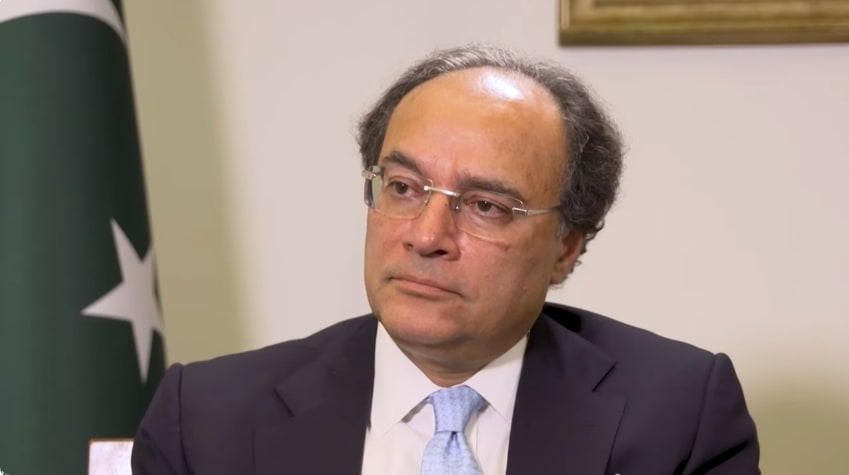
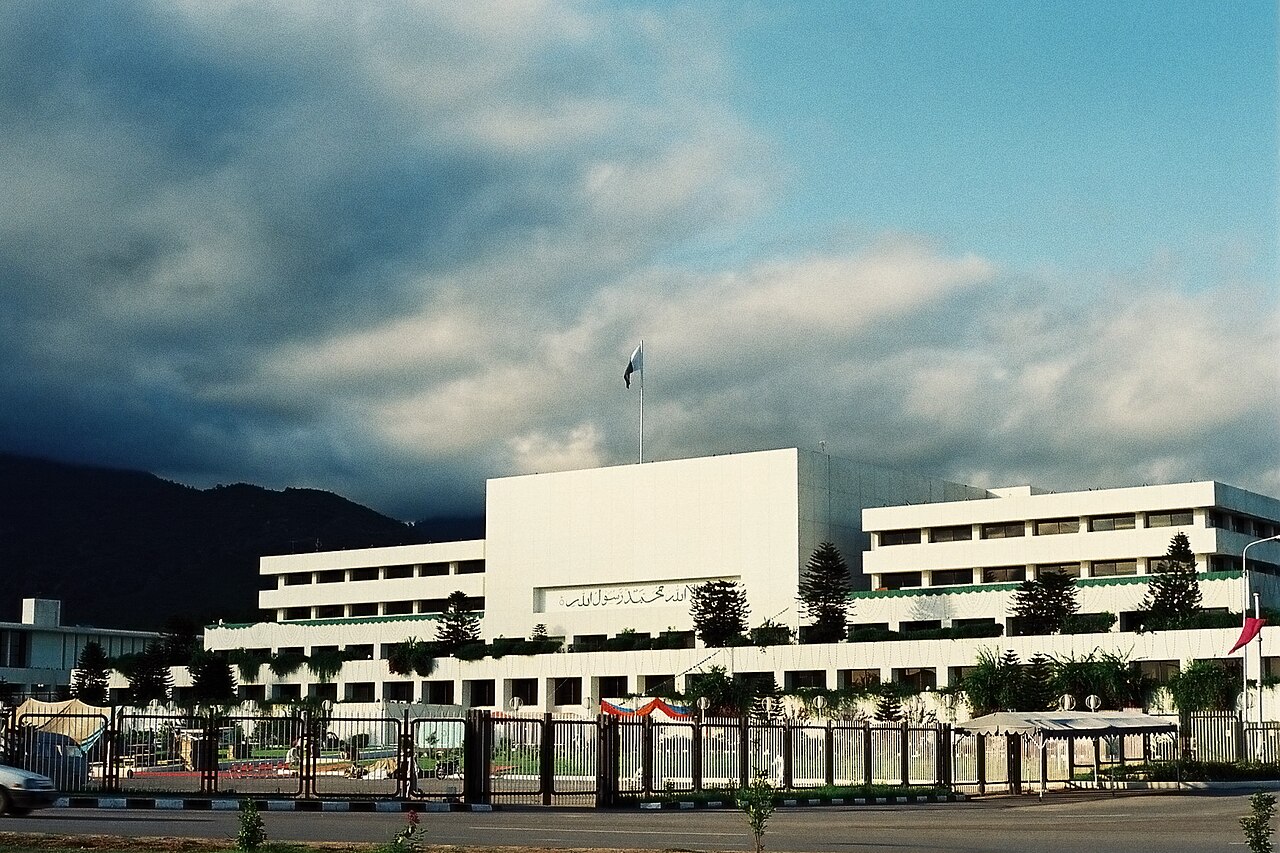
Reporting snapshot · 20 September 2026. Finance Minister Muhammad Aurangzeb delivered a televised recorded message on Sunday estimating that long marches, sit-ins and strikes could cost Pakistan's economy around Rs120 billion a day. The figure is the government's own planning estimate, based on the Planning Commission's economic wing, and has not been independently verified. Jamaat-e-Islami began its march towards Islamabad the same day, and Pakistan Tehreek-e-Insaf has called a march for 27 September.
What happened
Finance Minister Muhammad Aurangzeb warned on Sunday, 20 September 2026, that long marches, sit-ins and strikes could cost Pakistan’s economy around Rs120 billion a day, describing disruptions to economic activity as “self-inflicted pain” at a time when the country was trying to shift from economic stabilisation to sustained growth.
In a televised recorded message, Aurangzeb said the government had worked with the Planning Commission’s economic wing to assess the potential impact of protests, road blockages and business closures, drawing on both previous experience and current economic conditions. “If this economic stabilisation that we have achieved with great effort, difficult decisions and continuous efforts is disrupted by protests, sit-ins, road blockages and the closure of business and economic activities, what would the results be?” he said, according to The Express Tribune.
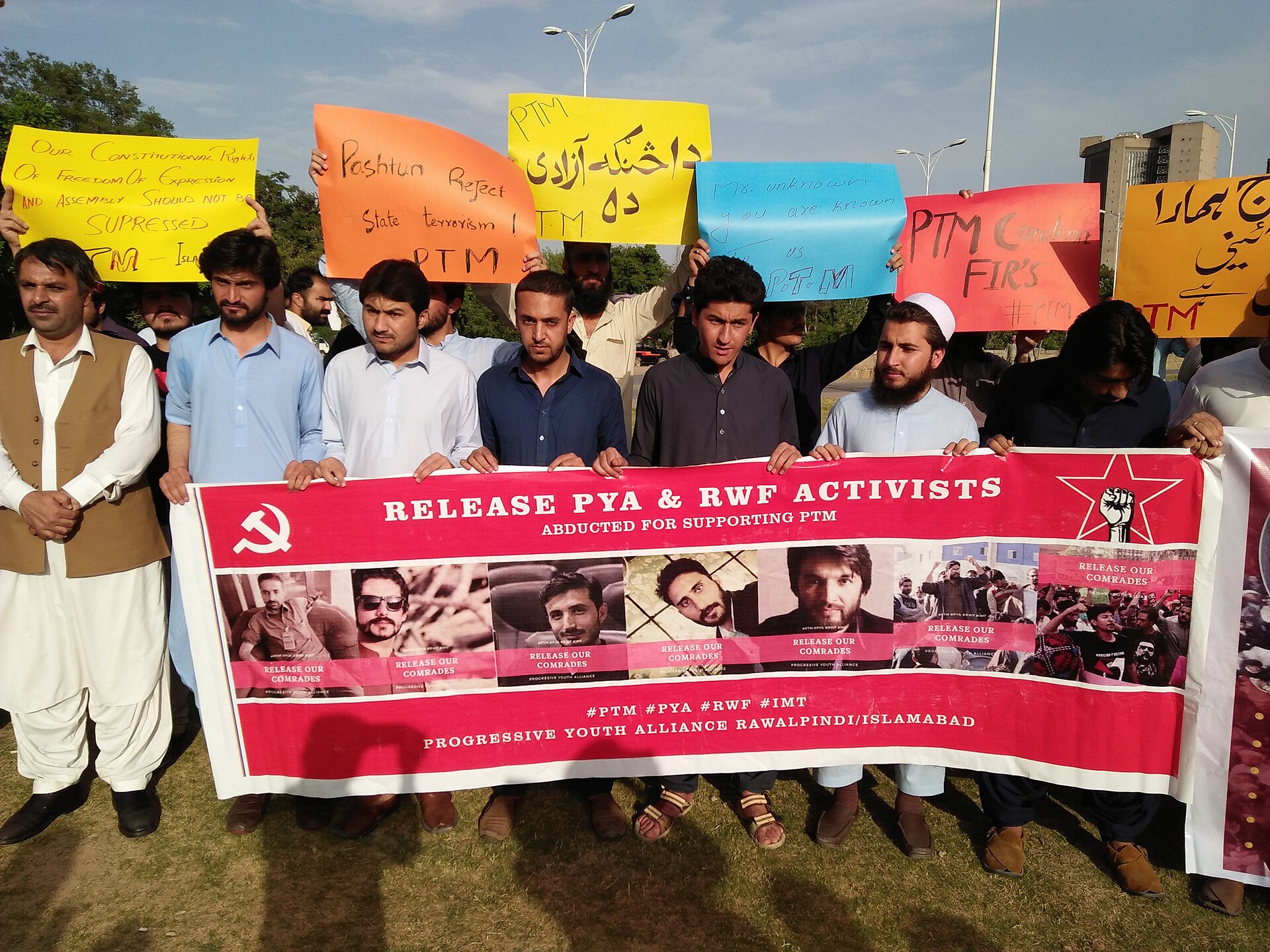
The statement came as three groups announced long marches in the coming week. Jamaat-e-Islami (JI) began its march towards Islamabad from Karachi on Sunday, demanding the abolition of the petroleum development levy, while Pakistan Tehreek-e-Insaf (PTI) has called a nationwide protest and march on the capital for 27 September to demand the release of party founder Imran Khan. A farmers’ group, Kissan Ittehad, has also announced plans for a march seeking relief for farmers.
How the estimate is built
Aurangzeb said the estimate breaks down roughly as follows, based on the Planning Commission assessment:
- The services sector could suffer losses of around Rs86 billion a day, covering financial services, communications, transport, retail, wholesale and hospitality.
- The industrial sector could face losses of approximately Rs25 billion daily, including construction, finished goods, raw materials and supply-chain activity.
- Agriculture could account for a further Rs9 billion a day in losses, from disrupted transportation, perishable goods, dairy, supply chains and agricultural trade.
- The government could also face around Rs17 billion in revenue loss if economic activity came to a standstill.
Together the three production sectors account for roughly Rs120 billion, with the revenue loss on top. The finance minister stressed that the immediate burden would fall on ordinary people and daily-wage workers, while small shopkeepers and businesses would also be directly affected. He also said the government had considered additional costs from security deployments, logistics, transport and fuel if large-scale protests took place.
The wider economic picture
Aurangzeb used the message to list the economic gains he said the disruption could put at risk. He said Pakistan’s foreign exchange reserves had reached $21.4 billion, the highest level in the country’s history, and that the government was reducing expenditure while the fiscal deficit had declined significantly and the current account was in surplus.
He said GDP growth stood at 3.7 per cent in the last financial year and was expected to exceed 4 per cent in the current one, with large-scale manufacturing recovering and corporate profits and stock-market investment rising. Tax revenues had increased by around 40 per cent over the previous two years, he said, and Pakistan had attracted $311 million in foreign direct investment in August.
The minister also drew a direct line from the marches to exports. He said the government had set a goods export target of $32.9 billion for the current year, an expected increase of about six per cent, with average daily export volume around $90 million. In the worst-case scenario, he warned, strikes could reduce daily exports by up to 50 per cent, citing previous disruptions.
He cautioned separately that disruptions to internet connectivity could be extremely damaging to IT exports, a sector already facing external pressure. Aurangzeb said the situation in the Gulf and the Bab el-Mandeb was already pushing up freight and insurance costs for Pakistani exporters, and that additional domestic disruption would come on top of those external costs.
Why the timing matters
The warning comes as Islamabad prepares for a week of converging protest movements. JI began its march on Sunday after a fifth round of talks with the government ended without agreement, and PTI’s 27 September call has been the subject of government-opposition contacts over the weekend. An Islamabad High Court order issued on 18 September bars parties and leaders from occupying the capital’s roads and public places, and the government has said it will enforce the judgment.
The finance minister’s remarks are also the latest in a series of economic messages from the government during the protest campaign. Aurangzeb framed the issue as a choice between protecting hard-won stability and risking the country’s growth trajectory, urging stakeholders to resolve their differences through dialogue rather than disruption.
What is still uncertain
The Rs120 billion figure is the government’s own estimate, not an independently audited number. Aurangzeb attributed it to Planning Commission research but did not publish the underlying modelling, and the scale of actual losses would depend on the length, location and intensity of any disruption, as well as how far businesses can shift work online. Whether JI’s march reaches the capital, whether PTI holds its 27 September protest despite the court order and government warnings, and whether negotiations resume all remain open questions that would determine how much of the estimated cost, if any, materialises.
Sources & reporting notes
This is a synthesis of published material, not eyewitness reporting. Sources were reviewed on 20 September 2026.
- The Express Tribune — "Long marches, strikes, sit-ins may cost Pakistan's economy Rs120b a day: Aurangzeb"20 September 2026 · The televised message, the sector-by-sector breakdown, the Planning Commission basis and Aurangzeb's quotations.
- Geo News — "Marches, sit-ins may cause Rs120bn daily loss to exchequer, warns FinMin Aurangzeb"20 September 2026 · The Rs120bn warning, reserves and export figures, and the services and industrial sector estimates.
- The News International — "Finance czar says protests, sit-ins could inflict Rs120bn daily loss on exchequer"20 September 2026 · Confirms the daily-loss warning and the Rs86bn/Rs25bn/Rs17bn breakdown.