Reporting snapshot · 27 November 2026 (Asia/Karachi). Saudi Arabia has confirmed a death and a partial shutdown at its Jazan refinery but has not named who fired the projectile, and the Houthis have not claimed the strike; no joint statement from the alliance committee meeting in Islamabad had been issued when this was written, and published accounts disagree on whether the session runs one day or two.
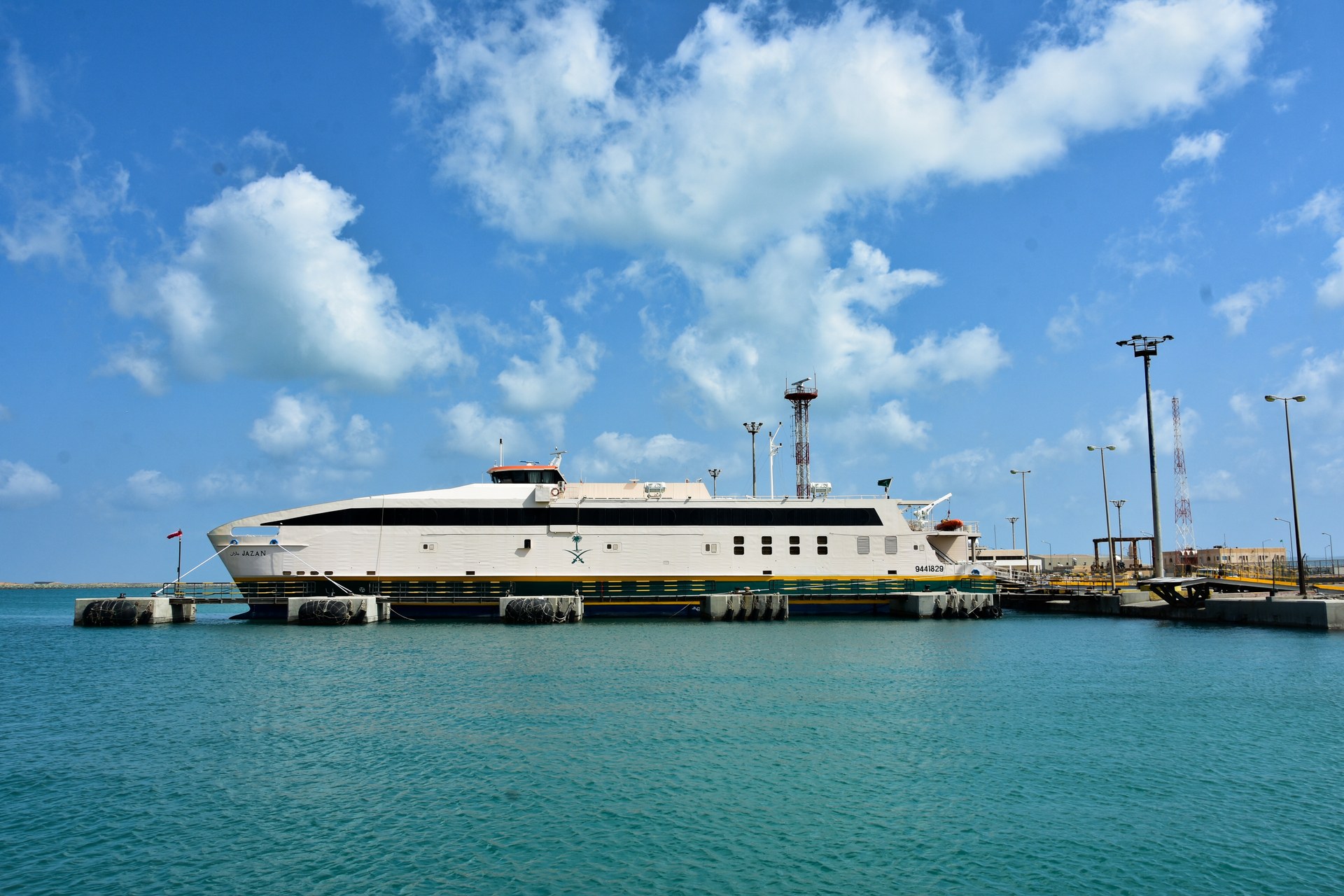
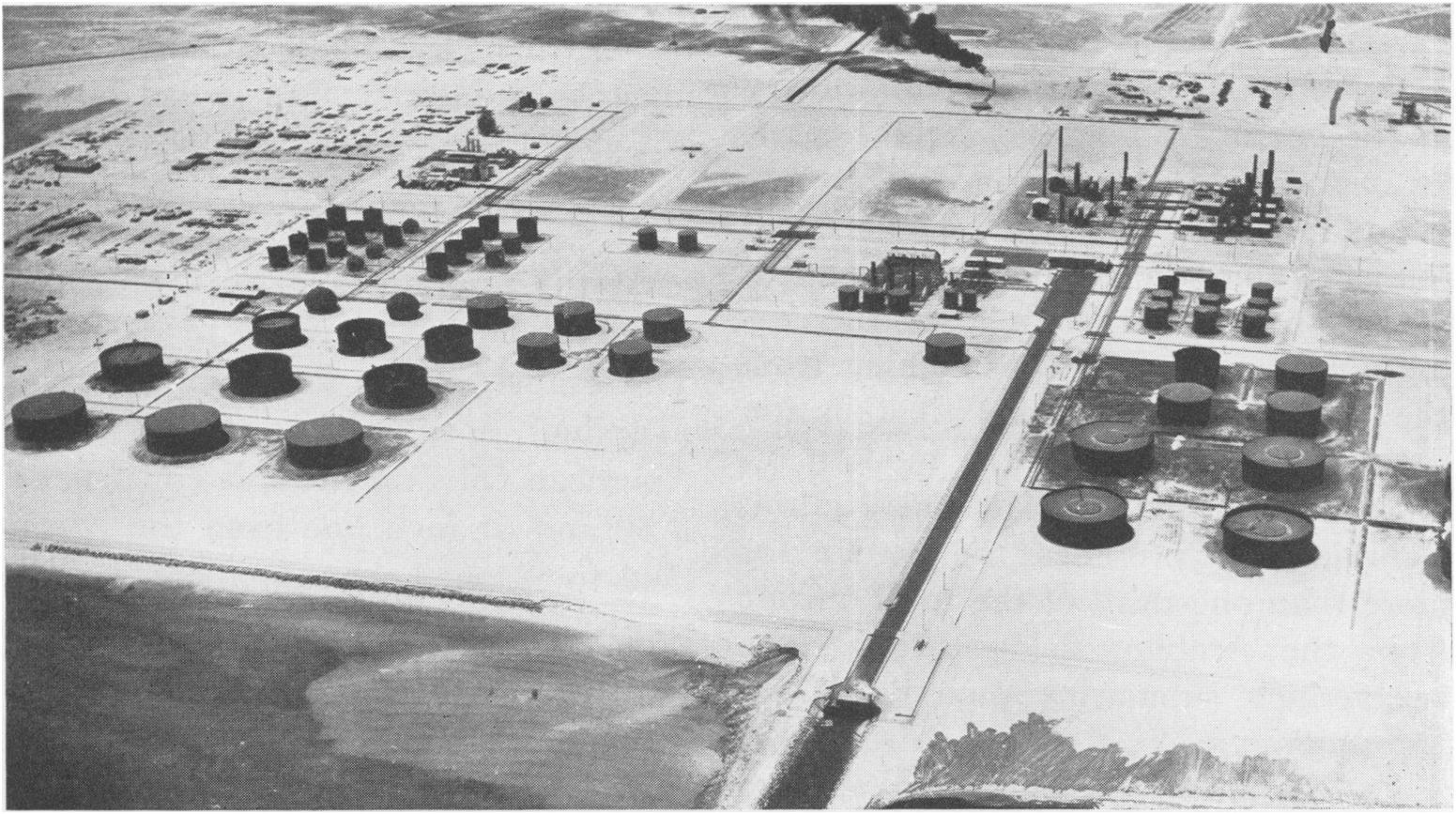
On Thursday, 26 November, an aerial projectile struck Saudi Aramco’s Jazan refinery on the Red Sea coast of southwestern Saudi Arabia, close to the Yemeni border, killing a Nepali worker and injuring several others, the Saudi Energy Ministry said in a statement carried by the Saudi Press Agency. The fire that followed was brought under control, some operations were temporarily suspended, and emergency and specialised technical teams began assessing the damage and verifying the safety of the facility. The plant is designed to process up to 400,000 barrels of crude oil a day, Al Jazeera reported.
The strike landed as the alliance built to answer such attacks was meeting in the Pakistani capital. The third session of the Strategic Political and Defence Committee of the Makkah Defence Alliance was due to open in Islamabad on Friday, 27 November, with the foreign and defence ministers and the chiefs of defence staff of Pakistan, Saudi Arabia and Türkiye taking part.
What Saudi Arabia has confirmed, and what it has not
The ministry’s statement confirmed the projectile, the fire, the death of one Nepali worker, injuries to several workers of different nationalities, and the temporary suspension of some operations. It did not identify who was responsible, and it gave no figure for the number of injured, describing only injuries of “varying severity” among workers of different nationalities who were receiving medical care.
Attribution came instead from the Saudi-led coalition fighting Yemen’s Houthis. Coalition spokesman Major General Turki al-Maliki said the group had targeted the refinery and that “targeting civilians and civilian infrastructure would be met with a firm military response”, Al Jazeera reported. Later the coalition said it had destroyed a ballistic missile launch platform in Yemen’s Hodeidah governorate, which it said was used in the attack, Reuters reported through Dawn. The Houthis issued no immediate claim on the strike.
That distinction matters. A day earlier the same group had claimed hits on the Ras Tanura refinery and on the Red Sea ports of Jeddah and Jazan, and those claims were the subject of KhabarWire’s account of the 25-26 November strikes. Saudi Arabia confirmed then only that a projectile had fallen at Jazan port causing minor damage and no casualties, and it never confirmed damage at Ras Tanura. What the ministry confirmed on Thursday evening was different: a refinery hit, a death, and a shutdown.
A session whose dates shifted during the week
The committee’s timing was reported differently from one day to the next. The Express Tribune reported on 26 November that the two-day sitting would run on 26 and 27 November, and Reuters, carried by Business Recorder, reported that the foreign ministers of Saudi Arabia and Türkiye were arriving in Pakistan for a meeting “held on Friday and Saturday”. By Friday morning, Dawn reported that the third session was set to run from Friday, 27 November, into Saturday, with a public holiday declared in Islamabad and Rawalpindi and movement restrictions imposed in view of the gathering.
The agenda had been settled before the delegates arrived. A Pakistani official told Dawn the meeting was expected to focus on finalising standard operating procedures, establishing an implementation mechanism and defining coordination between the three countries’ political, defence and military institutions. The participants were also to consider finalising the pact’s official name and its abbreviation, which The News reported would put three proposed names before them.
The committee itself brings together the foreign and defence ministers and the chiefs of defence staff of the three countries, Dawn reported, and The News named the figures expected: Deputy Prime Minister and Foreign Minister Senator Ishaq Dar, Defence Minister Khawaja Asif and Chief of Defence Forces Field Marshal Syed Asim Munir for Pakistan; Turkish Foreign Minister Hakan Fidan, Defence Minister Yasar Güler and Chief of the Turkish General Staff General Selçuk Bayraktaroğlu; and Saudi Foreign Minister Prince Faisal bin Farhan with the Saudi defence minister. Pakistan currently holds the alliance’s secretariat, headed by retired Lieutenant General Nauman Mahmood, The News reported.
For Pakistan, hosting the session is a demonstration rather than a formality. KhabarWire described the expected meeting when it was first reported, before any date, venue or agenda had been confirmed. Since then the government has declared a local holiday in Islamabad and Rawalpindi for Friday and told ministry staff in the Red Zone to work from home, The Express Tribune reported.
On the substance, Khawaja Asif told AFP that the “continuous turmoil south of Saudi Arabia will obviously be one agenda point in the meeting and it is very important”, and that under the agreement “any threat to Saudi Arabia is a threat to Pakistan and Türkiye”, The Express Tribune carried. He described the pact as being at a “nascent stage” that would need frequent meetings over the coming months, and declined to say how the alliance would respond to a direct Iranian attack on Saudi Arabia, identifying Israel instead as a possible threat to the region. Asif said Pakistan had played a “very, very constructive role” between Washington and Tehran but that the outcome of the mediation remained fragile, Dawn reported. The Makkah Defence Pact hub follows the file.
The barrel and the pump
The strike landed in a week when oil was already repricing. Brent crude futures settled at $96.57 a barrel on Thursday, up $1.96 or 1.2%, Reuters reported through Profit by Pakistan Today, as the Houthis claimed the Ras Tanura refinery and Iran’s Revolutionary Guards said two tankers had hit sea mines in the Strait of Hormuz. OPEC+ ministers meet on Sunday to settle their 2027 output policy, and two people with knowledge of the meeting said the group may roll over its current targets for at least the first quarter of 2027.
Rory Johnston, who founded Commodity Context, said the outlook for crude was bullish, citing slowing Hormuz flows, low inventories and what he called “known, acute risk” to approximately 15% of global supplies. Phil Flynn, a senior analyst at Price Futures Group, said the sequence of events was keeping the market on edge into the holiday.
For Pakistan the transmission runs through the fuel pump. The Oil and Gas Regulatory Authority notified petrol at Rs313 a litre and high-speed diesel at Rs346 for 27 November, and now revises prices each working day from the landed cost of petroleum company cargoes, Geo News reported. A sustained rise in the barrel would reach Pakistani pumps within days, and KhabarWire has followed the daily revisions and the fuel trade’s push to end them.
The strike also lands on the day Pakistan’s allies sit down to write the rules of a collective defence. What the committee produces from the Jazan refinery attack — whether it produces anything at all — is the open question, and so is the question of who fired the projectile. Saudi Arabia has confirmed the damage and the death. It has not confirmed the perpetrator, and the Houthis have not claimed the work.