What happened
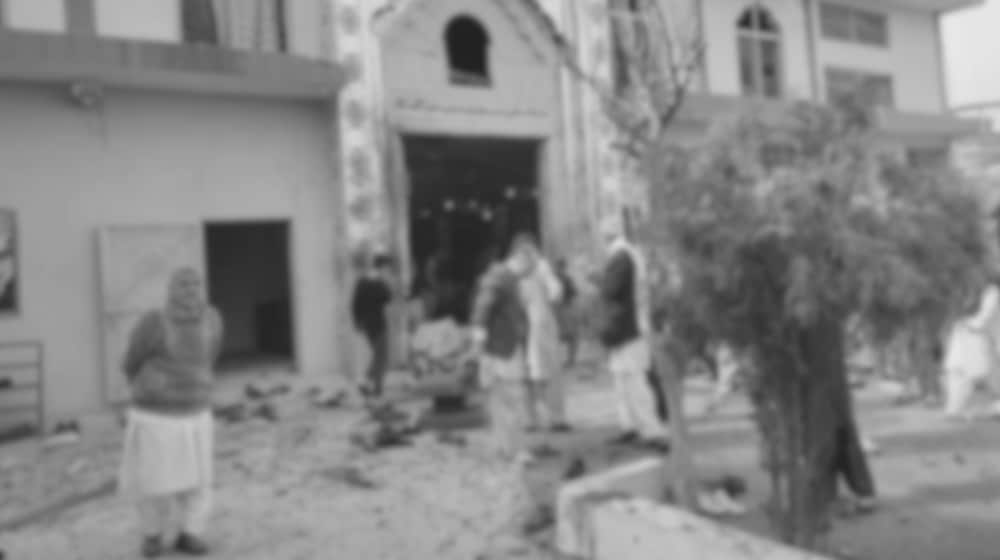
A suicide bomber struck Imambargah Khadijah al-Kubra in the Tarlai area of southeastern Islamabad during Friday prayers on 6 February 2026, ProPakistani reported, triggering an emergency response as police and rescue teams rushed to the site and cordoned off the area. The attacker detonated himself at the entrance of the imambargah after opening fire, Geo News reported the following day, citing hospital and official accounts.
Initial reports varied on the scale of the casualties as authorities verified details from the scene. By the following day, hospital sources told Geo News that at least 149 victims had been brought to the Pakistan Institute of Medical Sciences (Pims), including 121 injured and 28 fatalities, and that a wounded person had died overnight, taking the death toll to 33. Sixty-four of the injured remained under treatment at Pims, 20 of them in critical condition and nine in intensive care, while 13 wounded were being treated at the Polyclinic Hospital.
What officials said
Investigators said they recovered the suspected bomber’s identity card at the blast site, which identified him through Nadra as Yasir, 32, a resident of Peshawar. They added that the attacker had been living in Afghanistan for the past five months, where, they said, he received training in the use of weapons and suicide bombing. Defence Minister Khawaja Asif posted on Friday that the bomber had a history of travelling to Afghanistan and blamed neighbouring India for sponsoring the assault — an allegation that has not been substantiated in the public record.
Information Minister Attaullah Tarar said the government was “tracing the facilitators and handlers” behind the attack and that victims were “being provided the best healthcare possible”.
Why it matters
The bombing struck the federal capital on a day when Islamabad was already under heightened security for high-level diplomatic engagements, including the state visit of Uzbekistan’s President Shavkat Mirziyoyev, whose official schedule in the capital continued on 6 February according to updates published by the Uzbek presidency that ProPakistani cited. The attack also landed during a sustained counter-terrorism campaign; it came days after a week-long military operation in Balochistan that the military said had killed 216 fighters (KhabarWire coverage).
What is still uncertain
The bomber’s identity and the investigators’ account that he trained in Afghanistan rest on statements from officials and on the identity card recovered at the scene, not on material released publicly. Responsibility had not been confirmed by Pakistani authorities in the statements cited here. The death toll was still being compiled, and it was not yet clear how the attacker penetrated the security arrangements around an imambargah on Friday, the busiest prayer of the week.
Sources & reporting notes
This is a synthesis of published reporting on the 6 February 2026 Islamabad imambargah bombing, not eyewitness reconstruction. Sources were reviewed on 7 February 2026.
- ProPakistani — Explosion Reported at Islamabad's Imambargah During Friday Prayers6 February 2026 · Day-of report: confirms the explosion at an imambargah in Islamabad's Tarlai area during Friday prayers on 6 February, the emergency response by police and rescue teams, the transfer of the injured to Pims, and the city's heightened security during Uzbek President Shavkat Mirziyoyev's state visit.
- Geo News — Fatalities rise to 33 in Islamabad imambargah suicide blast; funeral prayers held7 February 2026 · Following-day reporting: the entrance attack after the bomber opened fire, the Pims and Polyclinic casualty figures, the bomber's identity card identifying him as Yasir of Peshawar, investigators' account of five months in Afghanistan, Defence Minister Khawaja Asif's allegation against India, and Information Minister Attaullah Tarar on tracing facilitators and handlers.