Reporting snapshot · 29 August 2026. This reports the decisions and interim inquiry findings announced on 29 August. The committee's full report by former interior secretary Shahid Khan and any prosecutions were still to follow.
What happened
Prime Minister Shehbaz Sharif on 29 August 2026 ordered the immediate suspension of eight officials identified by the inquiry committee into the PIMS neonatal ward fire and approved departmental and criminal proceedings against them, the Prime Minister’s Office said.
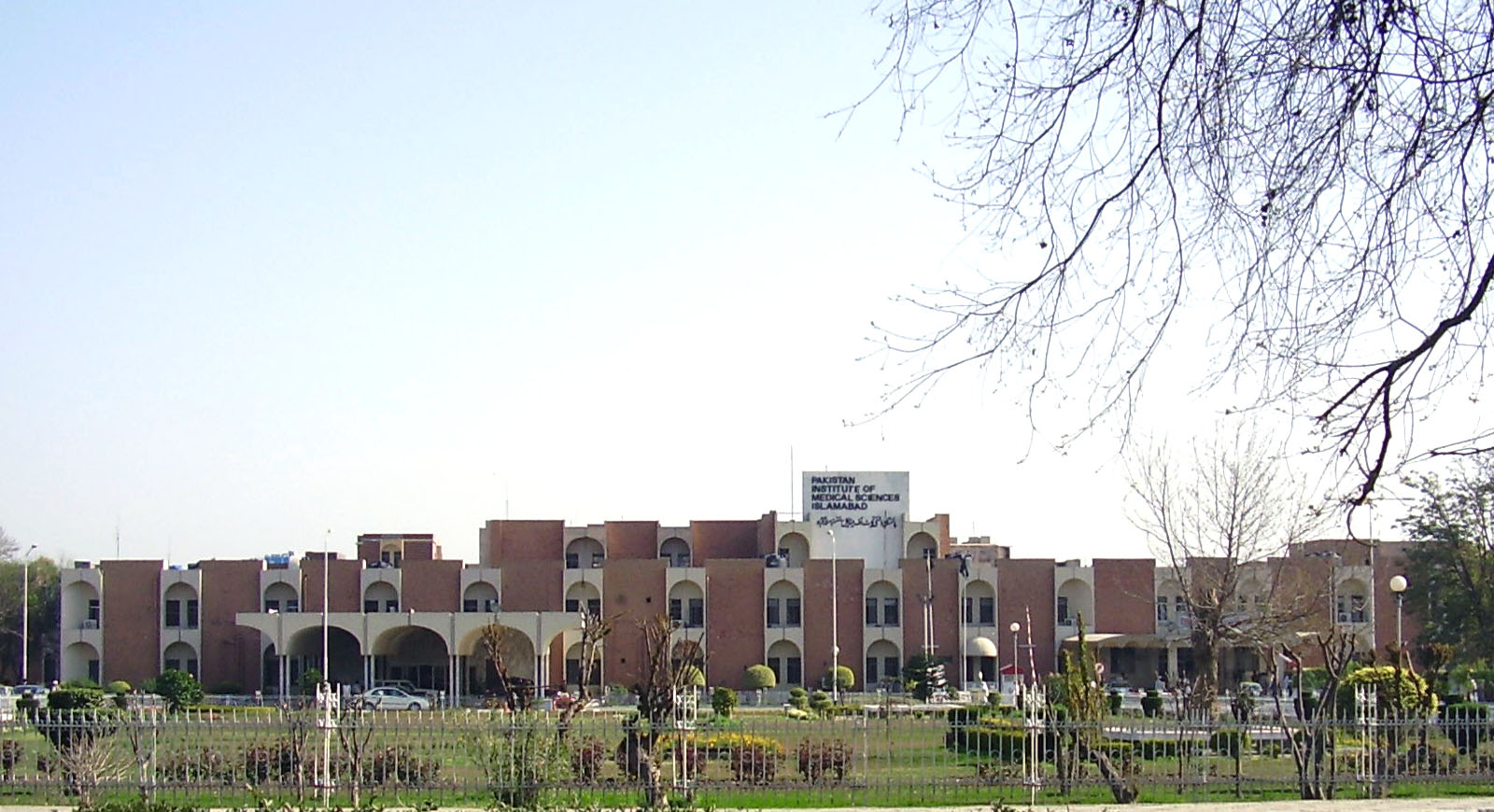
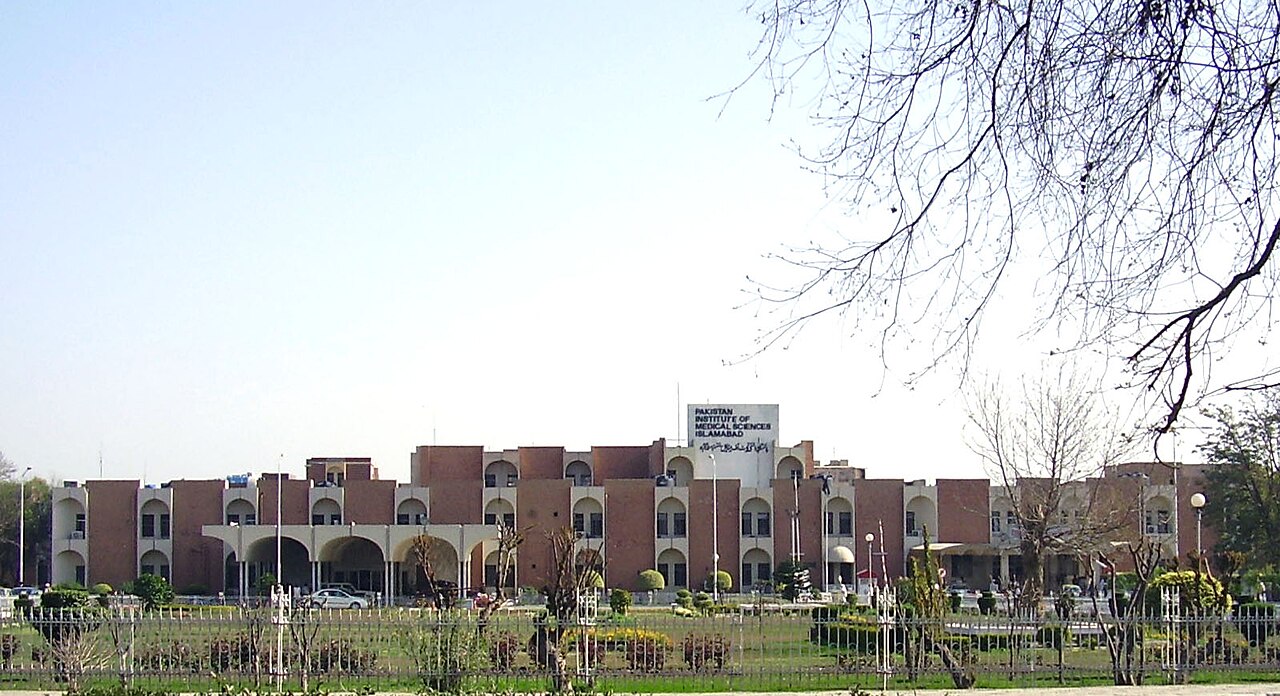
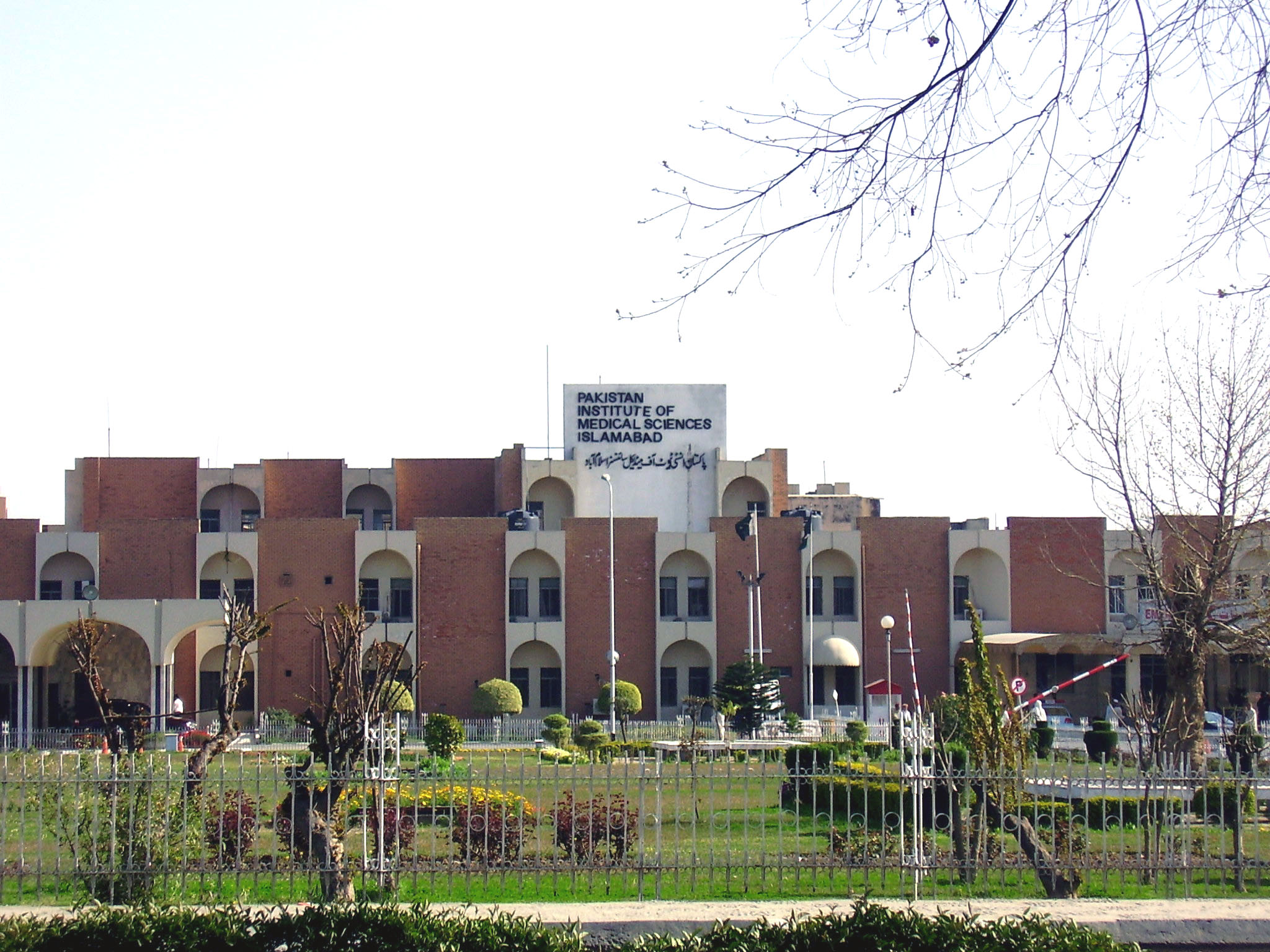
The decision came at a high-level meeting where the prime minister was presented with the committee’s interim report and CCTV footage of the fire, which broke out on the third floor of the Mother and Child Healthcare Centre of the Pakistan Institute of Medical Sciences (PIMS) in Islamabad on 26 August and killed 14 newborn babies. The meeting was chaired after the 14 deaths had triggered public outrage and demands for accountability.
The prime minister directed that those found responsible for criminal negligence be prosecuted without discrimination and said they deserved no concession. He also approved action against the private security company deployed at the hospital and its officials. A nurse and a female security guard who were present in the ward were made officers on special duty pending further investigation into their roles.
Dr Mohammad Salman, chief executive of the National Institutes of Health, was appointed acting executive director of PIMS, and the prime minister ordered appointments to replace the other officials removed from their posts. He also directed that the interim inquiry report be made public on the Ministry of National Health Services’ website.
Those the committee identified include PIMS Executive Director Prof Dr Imran Sikandar; the head of the neonatal department, Prof Dr Sadia Riaz; senior registrar Dr Naghma; Dr Nousheela Amjad; PIMS Assistant Director (Security) Muhammad Usman; the Capital Development Authority’s Emergency Services Director General Dr Abdul Rehman; and joint executive directors.
The prime minister approved the conferment of the Sitara-e-Khidmat and a cash reward on nurse Raziya Noreen, who he said had rushed through the fire to rescue a newborn moments before the nursery was engulfed. “Nurse Raziya Noreen has demonstrated an exceptional example of responsibility and bravery,” he said, adding that the nation was proud of her.
What the interim inquiry found
According to the briefing given to the prime minister, PIMS had no detailed standard operating procedures or training for fire or other emergencies. Of the hospital’s 13 SOPs, only two subsections referred to fire or emergencies, and no officer had been designated to deal with emergencies, with an assistant director given the responsibility in addition to his regular duties. Supervisory staff were not on duty when the fire broke out; two nurses, a female security guard and a house officer were in the ward.
The fire engulfed the entire ward within about two minutes, the meeting was told. Emergency services were called six minutes after the fire began and the first response arrived 15 minutes later. The ward had neither a fire alarm nor a sprinkler system and was found to violate all relevant World Health Organization safety rules. A fire at the PIMS nursing hostel a month earlier, in July, had not led to serious safety improvements, the briefing said.
Why it matters
The action turns the interim findings into suspensions and the threat of prosecution less than a week after the deaths. It also extends scrutiny to the hospital’s security contractor and to the capital’s emergency services, and installs an acting head drawn from the National Institutes of Health while the inquiry continues.
For the families of the 14 newborns, the suspensions are among the first concrete accountability measures since the 26 August fire. The committee, headed by the former interior secretary Shahid Khan, was directed to complete its investigation and submit a more detailed final report. The 26 August fire and its immediate toll are reported separately, as are the fire-safety audit orders issued on 28 August.
What is still uncertain
The interim report did not conclusively establish the source of ignition, and the committee’s findings on the exact cause remained provisional. The full report and any criminal cases had not been completed. It was also not yet clear whether the suspended officials would face formal charges, how the departmental proceedings would unfold, or how quickly the recommended hospital-wide fire and electrical audit would be carried out.
Sources & reporting notes
This is a summary of published reporting, not independent on-the-ground reporting. Facts and attributed remarks are as carried by the cited sources, which were reviewed on 29 August 2026.
- The Express Tribune — "PIMS executive director, 7 others suspended as PM orders criminal proceedings over neonatal ward fire"29 August 2026 · The eight officials identified, the suspensions and criminal proceedings, the appointment of the acting executive director, the Sitara-e-Khidmat for nurse Raziya Noreen and the inquiry briefing on SOPs, alarms, sprinklers and response times.
- Nukta — "PIMS nursery fire inquiry finds major safety, emergency-response failures"29 August 2026 · The interim finding that the exact cause of the blaze remained undetermined, the rejection of claims that staff abandoned the newborns, and the deficiencies in evacuation and fire-safety arrangements.