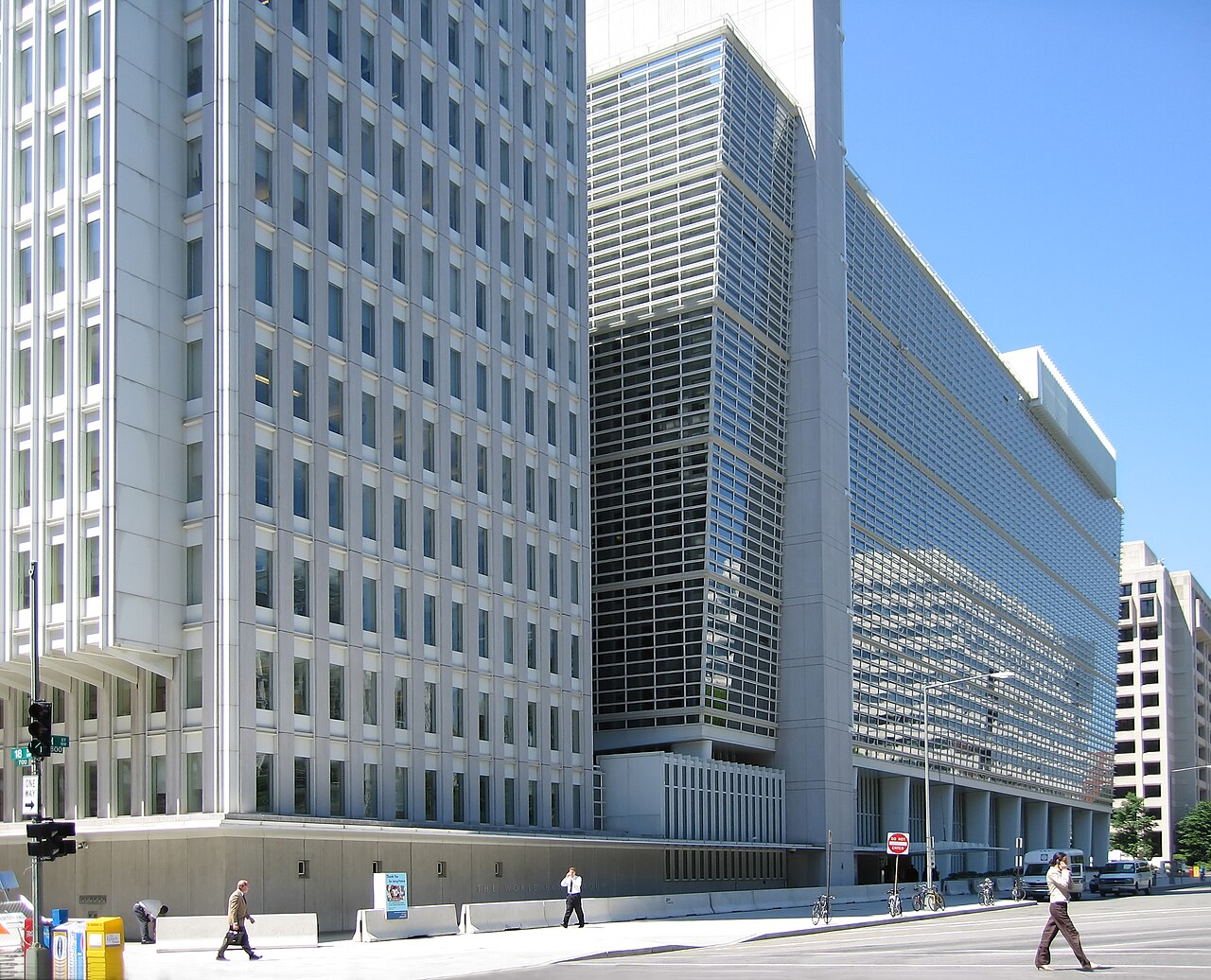
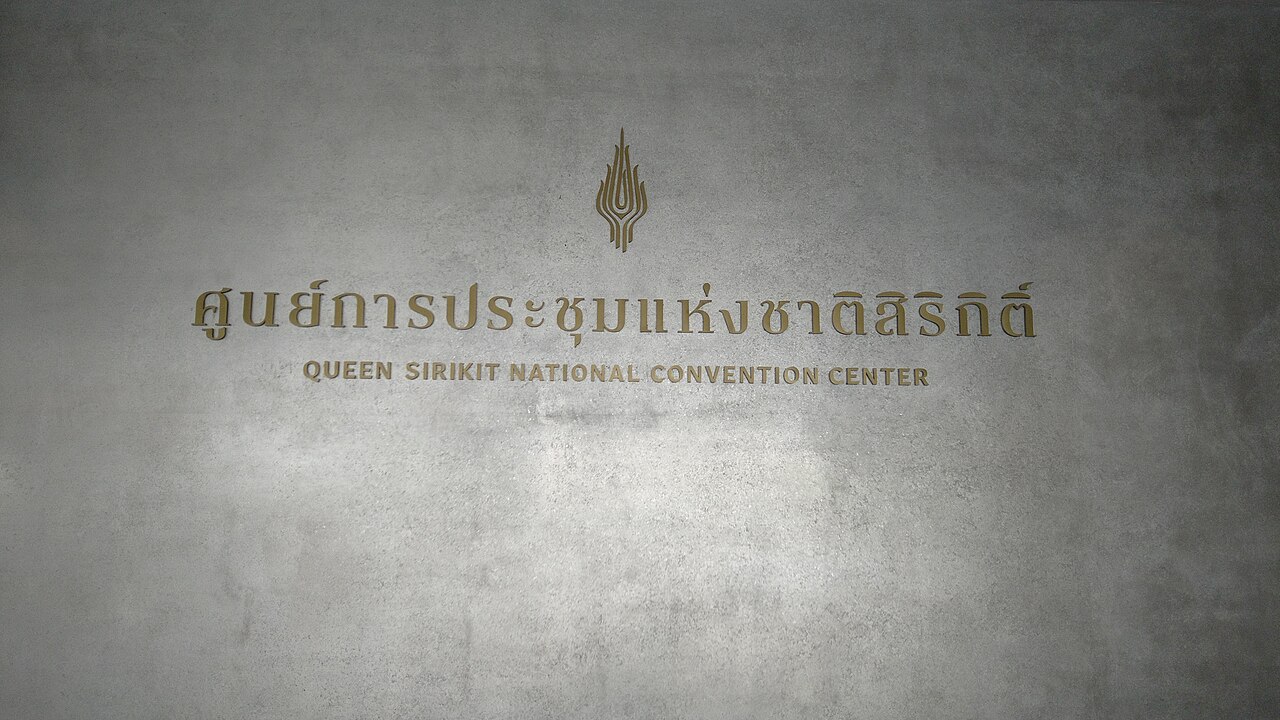
Reporting snapshot · 12 October 2026 (Asia/Karachi). The International Monetary Fund (IMF) and the World Bank opened their 2026 annual meetings at the Queen Sirikit National Convention Center in Bangkok on Monday 12 October. This account draws on a Reuters report from the opening plenary, naming IMF Managing Director Kristalina Georgieva, World Bank President Ajay Banga and Singapore President Tharman Shanmugaratnam as the principal speakers; the IMF's own opening-day programme and speech notes had not been posted at the time of writing. The IMF will release its updated World Economic Outlook on Tuesday 13 October, and final figures may be refined.
What the IMF chief said on opening day
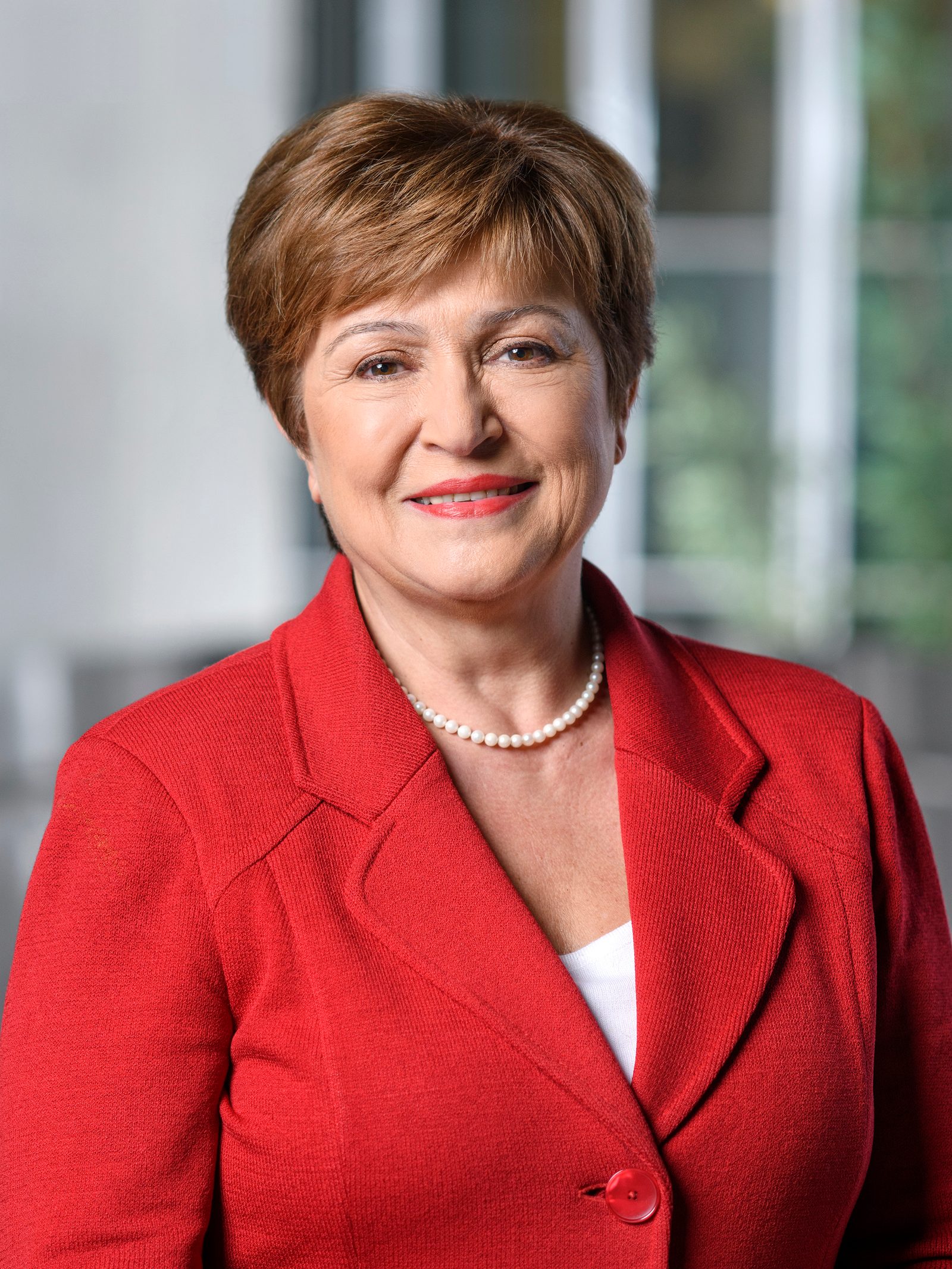
IMF Managing Director Kristalina Georgieva told the opening plenary on 12 October that the AI investment boom is already acting as a “demand shock, an investment shock” for the world economy, partially offsetting the energy-supply shock that has kept oil prices above $100 a barrel since the spring. The fund’s own July estimate put 2026 global growth at 3%; an updated figure will be released on Tuesday 13 October, Reuters reported from Bangkok.
“That shift into second force is what is keeping the world economy growing at around 3%, despite the fact we are being dragged down by the energy supply shock,” Georgieva told the audience of finance officials at the Queen Sirikit National Convention Center. About 18,000 attendees, including delegations from the IMF’s 191 member countries, are expected over the week.
On the regional split, Georgieva said advanced Asian economies that supply the AI hardware — Thailand among them — could see growth boosted by half to one full percentage point, and emerging Asian economies by 0.2 to 0.8 percentage points. She named the United States, China and India as the most important producers in the supply chain but said “many of the firms building the needed infrastructure are in Asia”, a category that includes Pakistan’s electronics-assembly base.
The jobs warning
The sharpest message was about the labour market. Georgieva described AI as a “slow-moving tsunami” that would have “consequential” consequences for jobs, growth, education and even how governments raise revenue, given the expected shift from labour to capital. The IMF estimates that about 40% of jobs could be augmented, downgraded or eliminated over time, she said.
An initial IMF study found 10% of US jobs already required AI skills, Georgieva said. Routine and repetitive roles were shrinking, while growth in low-paying work was concentrated in two lower-paying sectors: construction and data centres. “It is a transformative technology. It so completely changes how we work, how we live,” she said, noting that her own AI assistant now delivers a 30-second morning brief about her schedule.
Banga: ‘small AI’ for emerging markets
World Bank President Ajay Banga, who has made jobs a centrepiece of his presidency, said the development bank is focused on leveraging “small AI” — tools that do not depend on large language models — to deliver productivity gains for farmers, healthcare systems and educators in emerging markets. Banga did not single out Pakistan, but the bank’s South Asia portfolio — including a $1.2 billion loan portfolio in Pakistan that the bank announced separately on 7 October — frames AI as part of the development toolkit rather than a sector in itself.
Shanmugaratnam: the entry-level rung
Speaking at the same opening, Singapore President Tharman Shanmugaratnam warned that AI was already reducing job opportunities for new graduates and could widen the gap between developing and advanced economies if governments stayed passive. “There is a particular problem that we have to address very soon … and that is that the first rung in employment, your first job upon graduation, is now seeing less demand,” he said.
Shanmugaratnam framed the choice in blunt terms. “AI is going to widen the divergence if we are too passive about it. So we’ve got to do everything we can to first use AI to create good jobs and to create jobs that can be done well by human beings, can allow them to ride up a career ladder despite AI,” he said. Shanmugaratnam participated in the IMF’s annual-meetings curtain-raiser in Singapore on 7 October, as KhabarWire reported then.
Why the meetings matter for Pakistan
Pakistan enters the Bangkok week with a fresh IMF staff-level agreement on its $7 billion Extended Fund Facility and $1.4 billion Resilience and Sustainability Facility, announced on 8 October, and a CPI inflation print for September of about 6.5%, released on 2 October. The fund’s October World Economic Outlook will set the macro backdrop against which the Executive Board considers the staff-level agreement.
The AI-growth story cuts two ways for Pakistan. On one side, the fund’s view that hardware-adjacent Asian economies get a 0.2 to 0.8 percentage-point boost is consistent with Pakistan’s growing share of electronics assembly under the Special Investment Zones framework. On the other side, Georgieva’s 40%-of-jobs warning lands on a labour market that already faces a 6.4 percentage-point rise in the $3-a-day poverty headcount between 2018-19 and 2024-25, as the World Bank’s own October MENAAP Economic Update found on 7 October.
The energy-supply shock Georgieva named is not abstract for Pakistan. The IMF has insisted throughout the fourth review that fuel-subsidy reform is conditional, a position that delayed the staff-level agreement until the fuel-compensation scheme was restructured in early October. A sustained Brent level above $100 also feeds the rupee-dollar pressure that the State Bank of Pakistan has been smoothing with the $4 billion Saudi deposit rollover and the $3 billion Saudi facility that are still in the programme.
What is still uncertain
Several things remain open at the start of the week. The IMF’s full opening-day speech text and the accompanying research were not posted at the time of writing, so the precise framing of the 40%-of-jobs estimate and the 0.2 to 0.8 percentage-point Asia band may be refined. The updated World Economic Outlook on Tuesday will give the first Fund-side growth and inflation print since the July forecast.
It is also not yet clear whether the 40% headline figure holds up after peer review. The IMF’s January 2024 working paper on AI exposure put the global figure at 40% but flagged wide uncertainty bands by country income group, with emerging economies generally on the higher-exposure side and lower-income economies on the lower. Pakistan sits in the middle band, with high exposure in services and a still-developing AI infrastructure footprint.
For Pakistan, the open questions are the ones already on the table: whether the Executive Board signs off the staff-level agreement before year-end, whether the IMF programme’s energy-subsidy conditions survive the next oil-price spike, and whether the jobs-side warning from Bangkok changes the social-protection debate that will run alongside the next budget cycle. None of those will be settled on opening day.
Sources & reporting notes
This is a synthesis of published material, not eyewitness reporting. Sources were reviewed on 12 October 2026 (Asia/Karachi).
- Reuters — IMF says AI investment keeps global growth around 3%, with major Asia benefits12 October 2026 · Primary wire dispatch from the opening plenary in Bangkok, quoting the IMF managing director on AI growth, the 40% jobs figure and the 0.2-0.8 percentage-point emerging-Asia band, plus the World Bank president's "small AI" framing and Singapore president Shanmugaratnam on entry-level jobs.
- International Monetary Fund — 2026 Annual Meetings programme12 October 2026 · Primary record: the fund's event page for the Bangkok meetings, naming the venue (Queen Sirikit National Convention Center) and the 12-18 October schedule.
- Geo News — IMF says AI investment keeps global growth around 3%, with major Asia benefits12 October 2026 · Independent second outlet carrying the Reuters wire, confirming the same Banga and Shanmugaratnam remarks and the 0.2-0.8 percentage-point Asia figure.