What happened
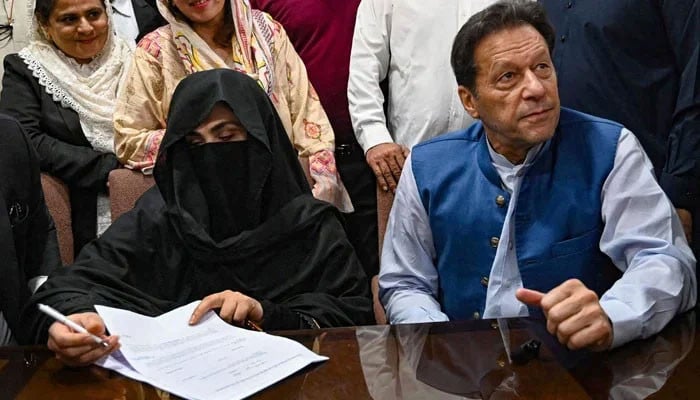
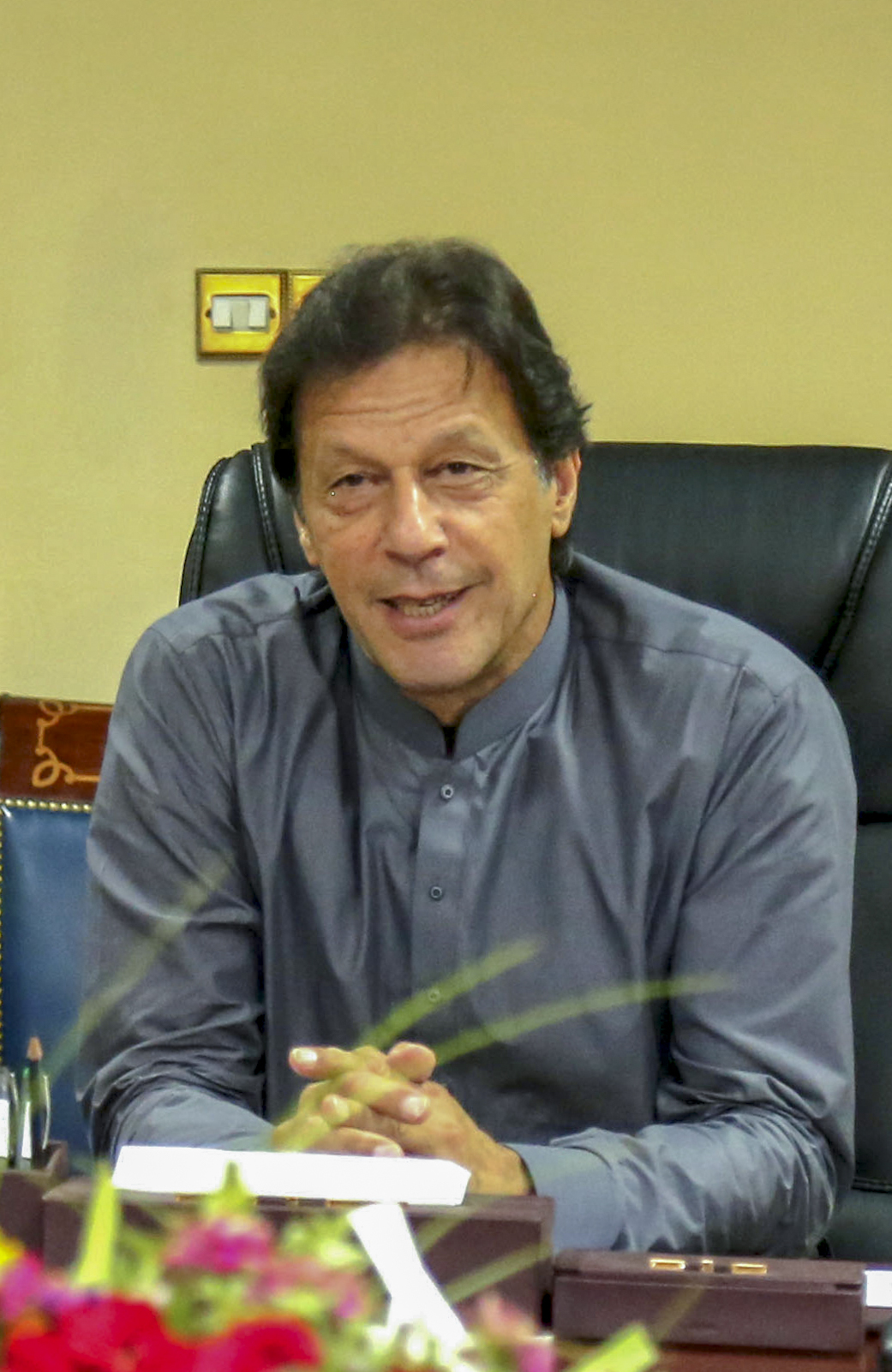
The Islamabad High Court on 11 March 2026 imposed a fine of Rs100,000 on the National Accountability Bureau (NAB), saying the anti-graft body was using delaying tactics in the £190 million Al-Qadir Trust corruption case involving former prime minister Imran Khan and his wife, Bushra Bibi.
A division bench comprising IHC Chief Justice Sardar Muhammad Sarfraz Dogar and Justice Muhammad Asif was hearing petitions by Khan and Bushra Bibi seeking suspension of their sentences, alongside appeals against their convictions. Before the hearing, NAB filed a miscellaneous application arguing that the couple’s request under Section 426 of the Criminal Procedure Code was premature because their appeals had not been formally admitted for regular hearing, and that the court’s power to suspend a sentence was therefore not activated.
NAB special prosecutor Rafay Maqsood maintained that no formal notice had been issued in the main appeal and said the principle of fair trial under Article 10-A of the Constitution applied to the prosecution as well. Khan’s counsel, Barrister Aitzaz Ahsan, told the court he had faced difficulties obtaining his client’s power of attorney and said access to Khan had effectively been curtailed for four months; Barrister Salman Safdar called it unfortunate that the appeals were being fixed for hearing after a gap of 14 months and pressed the court to penalise the prosecution for delay. After the arguments, the court imposed the Rs100,000 fine and issued notice to Khan on NAB’s plea seeking to have his petitions declared inadmissible, then adjourned.
An accountability court had sentenced Khan to 14 years and Bushra Bibi to seven years in prison on 17 January 2025 in the case, which centres on the transfer of £190 million — about Rs50 billion at the time — that Britain’s National Crime Agency had sent to Pakistan in 2019 during Khan’s tenure.
Why it matters
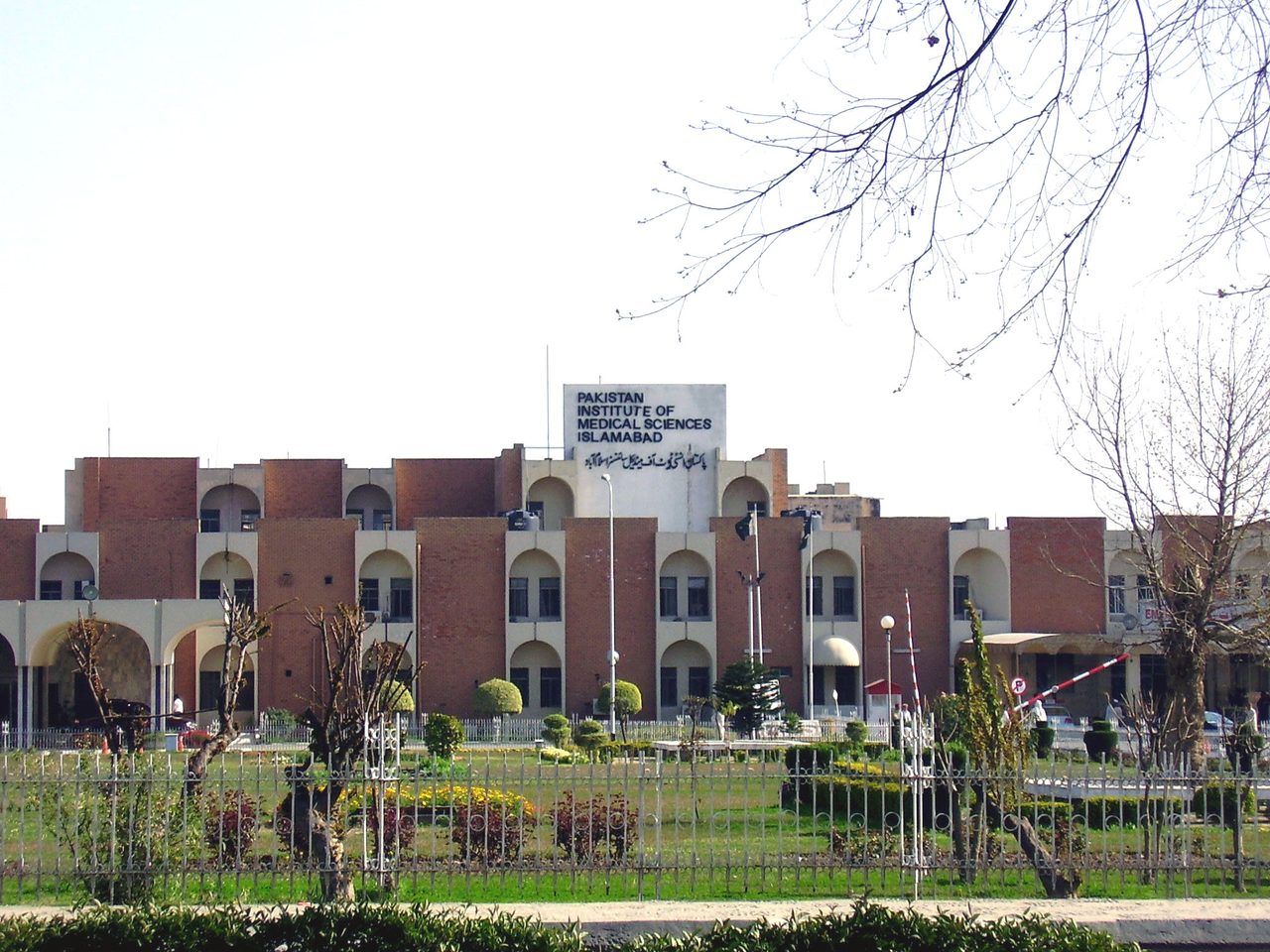
The fine is a procedural rebuke rather than a ruling on the merits, but it underlines how slowly the appeals have moved since the convictions 14 months earlier. The case remains one of the most politically charged in Pakistan, and the defence used the hearing to raise the conditions of Khan’s detention and its access to counsel. The bench’s decision to press NAB to be ready at the next hearing suggests it wants to accelerate the sentence-suspension pleas, which bear on whether Khan stays in prison while the appeals proceed. KhabarWire reported earlier on the Supreme Court’s handling of Imran Khan’s hospital-transfer plea.
What is still uncertain
The next hearing date was not set out in the reports. NAB’s maintainability objection is unresolved, and the court has yet to decide whether the appeals are formally admitted — the question on which the bureau says the suspension plea depends. It is also unclear whether the fine will be borne by the bureau or its special prosecutor, and whether the court will act on the defence’s complaints about access to Khan. The Supreme Court has separately taken cognisance of Khan’s health-related issues, leaving part of the matter sub judice before the apex court.
Sources & reporting notes
This is a synthesis of published material, not eyewitness reporting. Sources were reviewed on 11 March 2026.
- Dawn — "IHC fines NAB Rs100,000 for employing 'delaying tactics' in £190m graft case against Imran, Bushra"Published 11 March 2026 · Primary: the Rs100,000 fine, the division bench, NAB's Section 426 jurisdictional objection, the February 26 decision to schedule the March 11 hearing, and the 14-year and seven-year sentences handed down on 17 January 2025.
- Geo News — "IHC imposes Rs100,000 fine on NAB for delaying £190m case against Imran, Bushra"Published 11 March 2026 · Supporting: the fine on NAB's special prosecutor Rafay Maqsood, the Article 10-A fair-trial argument, the notice issued to Khan and the £190 million National Crime Agency transfer at the centre of the case.
- Pakistan Today — "IHC imposes Rs100,000 fine on NAB for delay in £190m graft case"Published 11 March 2026 · Context: confirmation that the bench rejected NAB's jurisdictional objection and that the couple deny wrongdoing and are appealing their convictions.