What happened
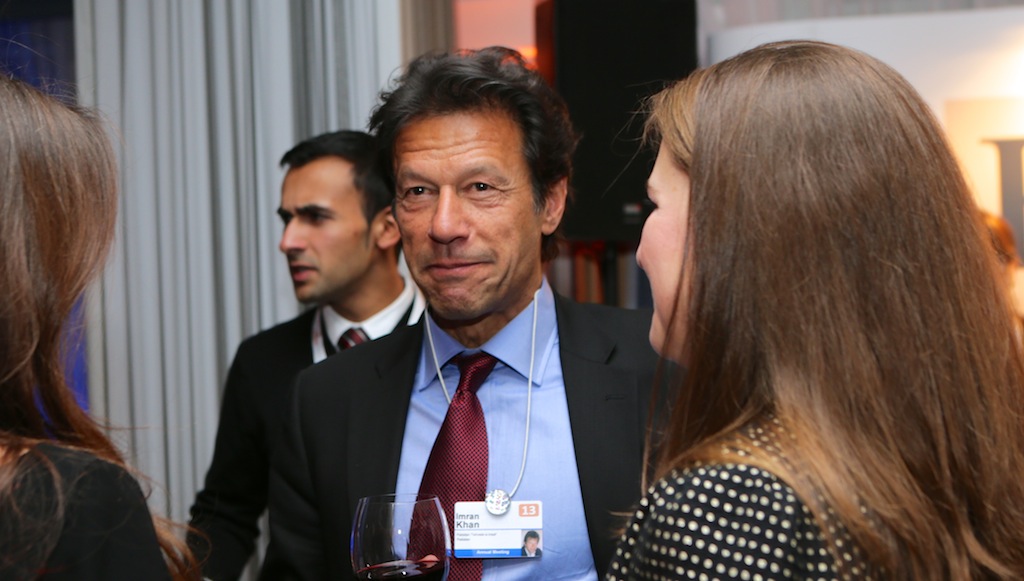
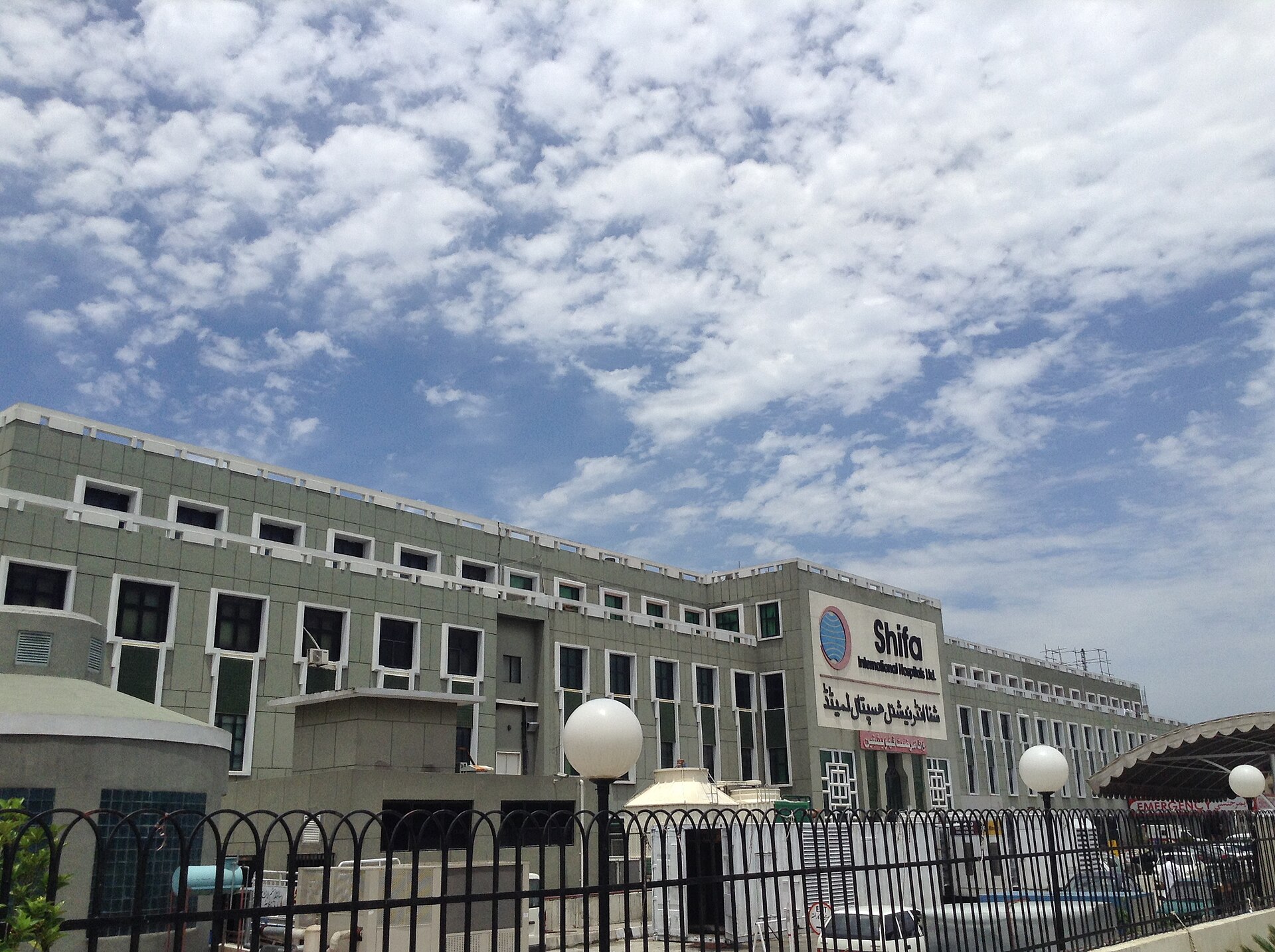
The Islamabad High Court on Thursday 12 March 2026 disposed of a petition seeking the transfer of incarcerated former prime minister Imran Khan to Shifa International Hospital for specialised eye treatment, ordering the formation of a fresh medical board instead.
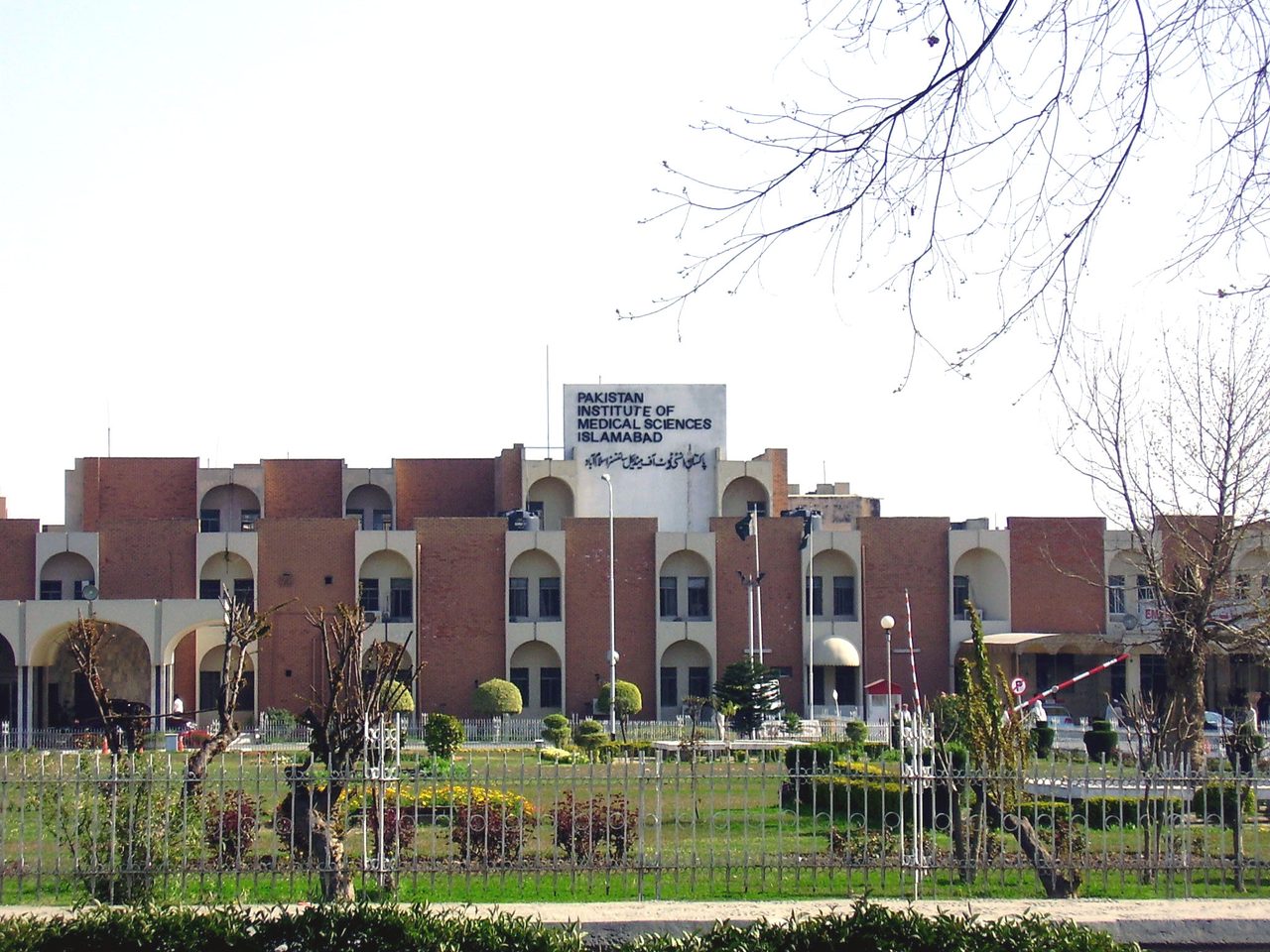
A division bench of Justices Arbab Muhammad Tahir and Khadim Hussain Soomro directed Islamabad Chief Commissioner Muhammad Ali Randhawa to constitute the board, naming Dr Muhammad Arif, head of the ophthalmology department at the Pakistan Institute of Medical Sciences (PIMS) in Islamabad, and Prof Dr Nadeem Qureshi, a retina specialist at Rawalpindi’s Al-Shifa Trust Eye Hospital. The board is to examine Khan and furnish its recommendations to the chief commissioner “at the earliest”; the court ordered that the family be informed and that Dr Qureshi remain in contact with Khan’s relatives.
Under the written order, the chief commissioner will then decide, in line with the relevant prison rules, whether Khan should be shifted to a hospital outside the prison. The court noted that Rule 197 of the Pakistan Prison Rules places the power to transfer a convicted prisoner for treatment with the government, and said a report from the Adiala jail superintendent showed “substantial steps” had already been taken to ensure Khan’s treatment.
Why it matters
Khan, 73 and jailed since August 2023, has become a flashpoint between his Pakistan Tehreek-e-Insaf (PTI) party and the government over his medical care. PTI said it would challenge the ruling in the Supreme Court, calling the outcome “extremely regrettable” and objecting that the court had not ordered an immediate transfer, not included Khan’s personal physicians on the board, and not secured what it called adequate family access.
The arguments
According to The Standard, Khan’s senior counsel, Sardar Latif Khosa, told the bench that his client’s vision problems began in October 2025, that Adiala jail doctors treated them as routine, and that the government kept the deterioration secret for five days before moving him to PIMS. He said only about 15 per cent of vision remained in Khan’s right eye.
Khan’s sister, Aleema Khan, told the court the family did not trust the jail’s medical facilities and asked why his personal physicians were denied access to his medical reports. Islamabad Advocate General Ayaz Shokat and Additional Attorney General Rashid Hafeez argued that a medical board including a top retina specialist had examined Khan and recorded significant improvement. Asked by Justice Tahir whether the government would take responsibility should anything happen to Khan in custody, the advocate general replied that it would.
Background
The petition was filed on 2 March under Section 561-A of the Criminal Procedure Code by Khosa, citing a report by Supreme Court amicus curiae Barrister Salman Safdar that said Khan had complained of “blurred and hazardous vision” but received no timely specialist intervention, The Express Tribune reported. On 3 March, PIMS said Khan’s vision had “improved remarkably” after treatment by a medical board, Dawn reported.
What is still uncertain
The board’s findings and the chief commissioner’s decision are pending, as is PTI’s threatened Supreme Court challenge. Because the court declined to add Khan’s personal physicians to the board, the question of independent verification of his condition remains open.