What happened
A special anti-terrorism court in Rawalpindi on Saturday 7 March sentenced 47 people, including several leaders of Pakistan Tehreek-e-Insaf (PTI), to 10 years in prison over the attack on the army’s General Headquarters (GHQ) during the 9 May 2023 protests, Business Recorder reported, citing Aaj News.
Anti-Terrorism Court Judge Amjad Ali Shah also imposed a fine of Rs500,000 on each convict and ordered the confiscation of their properties. Those sentenced include PTI leaders Omar Ayub, Zartaj Gul, Murad Saeed, Shibli Faraz and Hammad Azhar, as well as Kanwal Shauzab, Shahbaz Gill, Zulfi Bukhari, Muhammad Ahmed Chattha, Rai Hassan Nawaz, Sheikh Rashid Shafique, Rai Muhammad Murtaza, Shaukat Ali Bhatti, Usman Saeed and Ejaz Khan.
The court found the convicted individuals were involved in attacks on the GHQ gate, Hamza Camp and the Army Museum, and said the Joint Investigation Team report indicated they played a key role in planning the violent protests. It said they were also charged with arson, vandalism, attacks on police and damaging government property during the May 9 incidents.
Why it matters
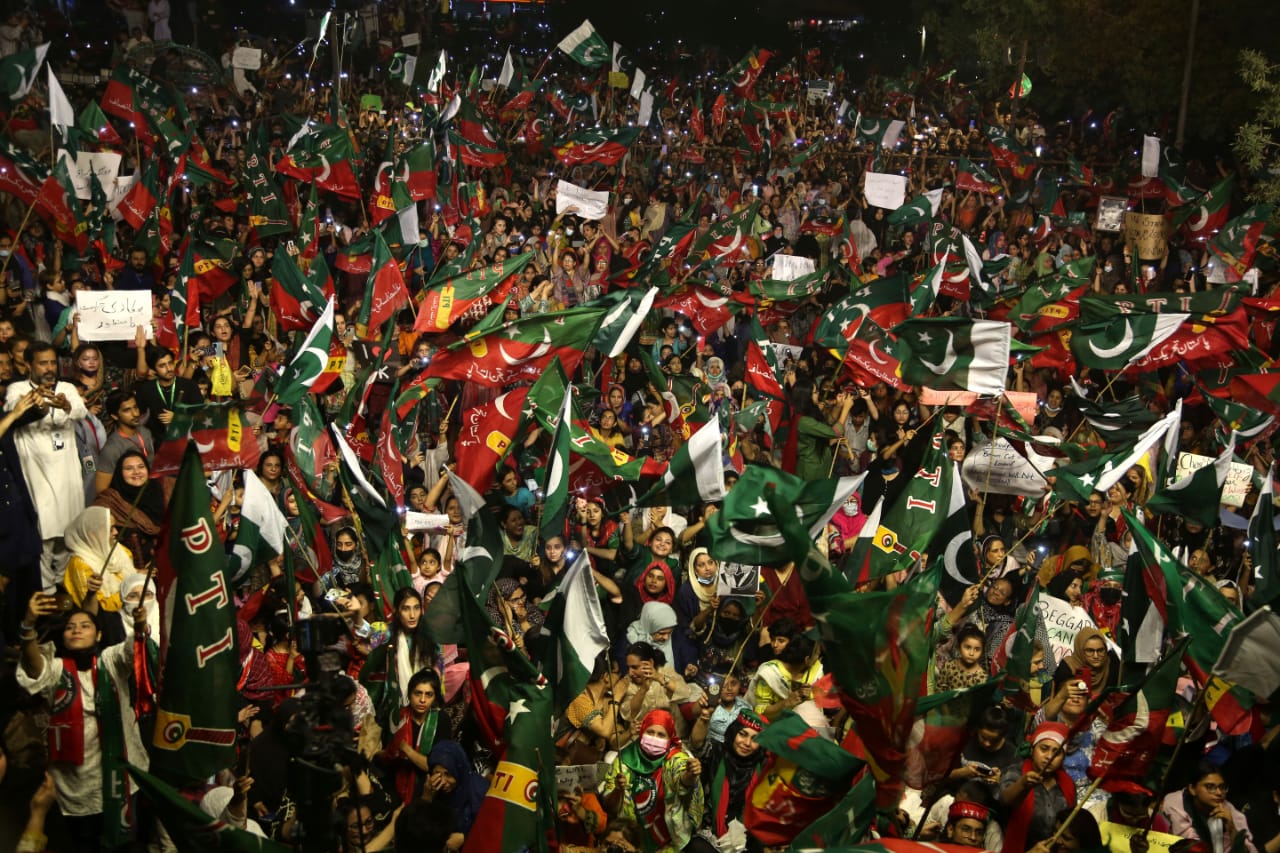
The verdict is one of the largest single rulings to emerge from the prosecutions of the 9 May 2023 violence, when protesters angered by the arrest of PTI founder Imran Khan from the Islamabad High Court in the Al-Qadir Trust case marched on the military’s central headquarters in Rawalpindi. The storming of the GHQ was described as unprecedented in Pakistan’s history because it was the first time protesters had reached the military headquarters.
According to Business Recorder, 118 people were indicted in the case, including Imran Khan and Shah Mahmood Qureshi. A formal charge sheet was presented in December 2024 and the prosecution recorded statements from 44 witnesses.
The court noted that 18 of the named suspects had failed to appear consistently during the trial and that 29 had never appeared after the case was registered. It said the case against the 47 fugitives was conducted separately under the Anti-Terrorism Act. The prosecution filed a petition on 6 January seeking proceedings against the absconding suspects, after which the court issued orders on 8 January giving them 15 days to appear; none did.
What is still uncertain
The convicted suspects were tried as fugitives and none appeared to hear the verdict, so it was not immediately clear whether they would appeal, whether any are in custody, or how the sentences and property confiscation orders would be enforced. Business Recorder’s account relied on a court ruling reported by Aaj News and did not include comment from the convicted leaders or their lawyers.