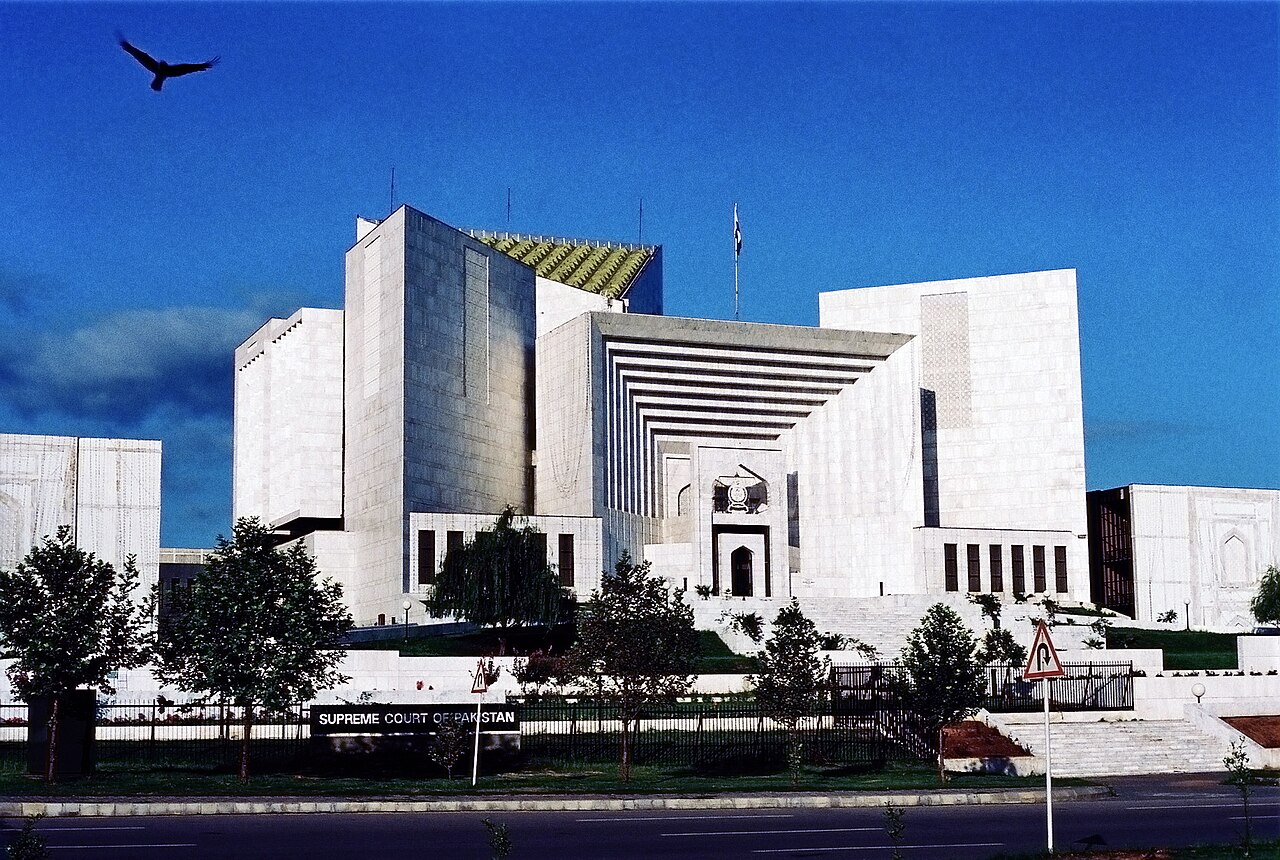
Reporting snapshot · 19 November 2026 (Asia/Karachi). The report was published on 18 November and assesses the judiciary as it stood at that point. Its recommendations are not binding, and their implementation is uncertain.
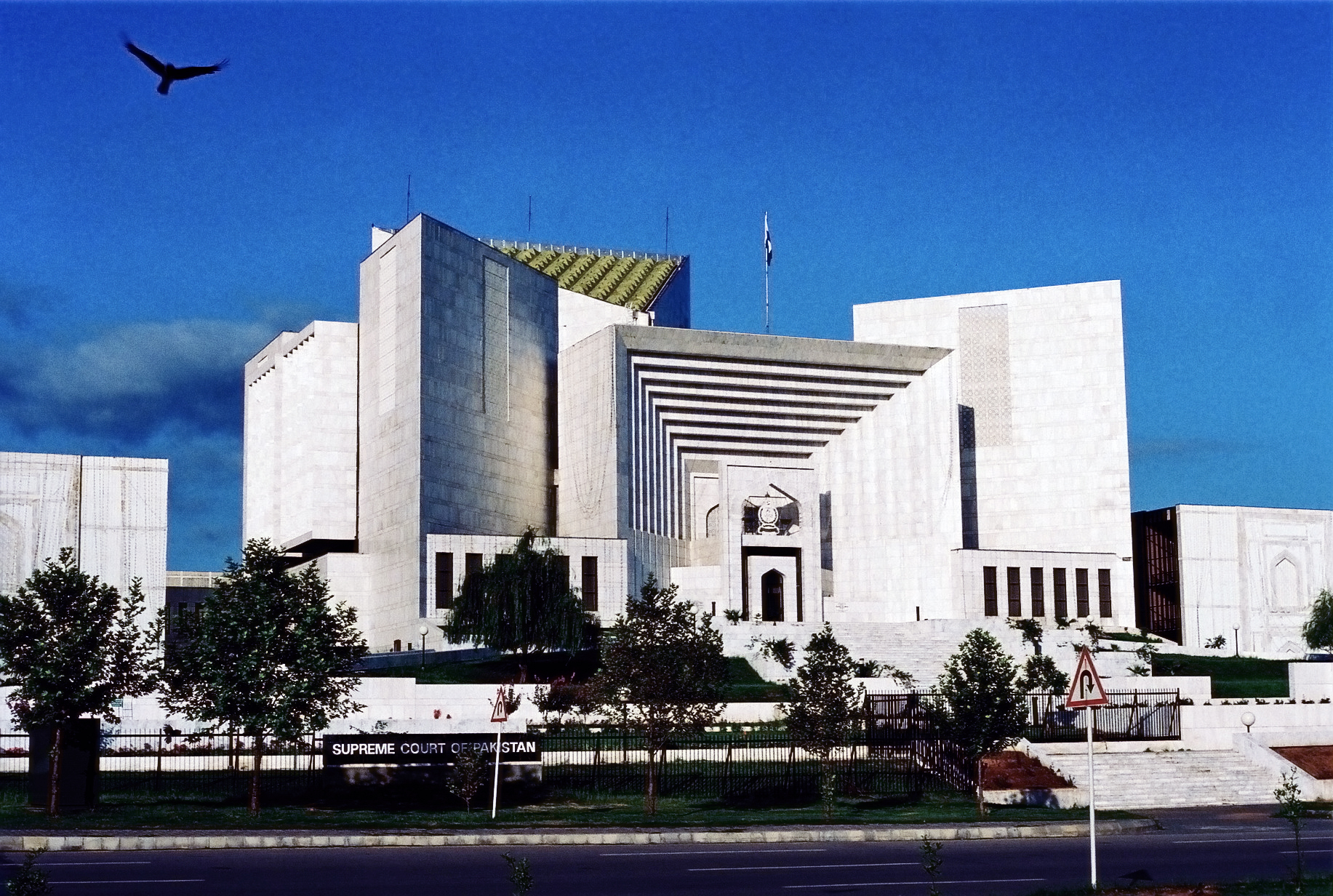
The International Commission of Jurists (ICJ) published a report on Wednesday, 18 November, concluding that the 26th and 27th Constitutional Amendments have produced “systemic judicial capture” in Pakistan and left the country’s highest courts unable to act as an effective check on the government. The Geneva-based organisation said the cumulative effect of the changes, and of how they have been implemented, is that the Supreme Court, the high courts and the Federal Constitutional Court no longer enjoy the institutional guarantees of independence required by international law.
“The 26th and 27th amendments have done exactly what we feared: they have placed Pakistan’s highest courts under the control of the executive,” ICJ Secretary-General Santiago Canton said in the report announcement. “When the courts are captured, no one is left to hold the government to account, and victims of human rights violations have nowhere to turn.”
The report, titled “Judicial Capture: Independence of the Judiciary in Pakistan after the 26th and 27th Constitutional Amendments”, examines the framework governing the higher judiciary a year after the 27th Amendment was passed in November 2025 and two years after the 26th Amendment was passed in October 2024. Dawn reported that the ICJ found the amendments amounted to a decisive break from the model of judicial independence Pakistan had built after the 2009 lawyers’ movement, and that the erosion was carried out through constitutional text rather than the open removal of judges. Geo News carried the same conclusion.
A finding of capture, not a single flawed ruling
The report’s central argument is structural. It does not rest on a claim that individual judges have been told how to decide cases. Instead, it says the amendments changed who selects judges, who can move them, which court hears constitutional questions and how much security senior judges have in office. Once those levers sit with the executive and parliament, the ICJ argues, formal independence on the bench is not enough to preserve judicial independence as a system.
The report accepts that Pakistan’s judiciary needed reform. It says judges were sometimes appointed without transparency and that the courts at times overstepped into the domain of other institutions. It also records the government’s stated case for the amendments: checking judicial overreach, reducing the backlog of cases, ending what ministers described as the politicisation of the Supreme Court’s original jurisdiction, and giving parliament a role in judicial appointments comparable to legislatures elsewhere.
The ICJ says those problems did not justify the remedy. It accuses the ruling coalition of using public frustration with the courts “in a self-serving manner” to bring the judiciary under control. The result, the report says, is that even the highest courts no longer serve as a check on the executive or parliament, and their usefulness to people seeking redress for rights violations is seriously impaired. The report links that conclusion to Article 14 of the International Covenant on Civil and Political Rights, which guarantees a fair trial, and Article 2(3), which guarantees an effective remedy. Pakistan is a party to the ICCPR.
The machinery the amendments changed
The 26th Amendment created constitutional benches within the Supreme Court and reconstituted the Judicial Commission of Pakistan so that judges no longer held a majority in appointments. It also removed the Supreme Court’s suo motu powers, fixed the chief justice’s term at three years and allowed the prime minister to choose the next chief justice from the three most senior judges. The 27th Amendment then turned the constitutional benches into a separate Federal Constitutional Court and changed the military’s chain of command, while granting immunities to senior officials. Two of the Supreme Court’s most senior judges resigned in protest on the day the 27th Amendment became law.
Those changes have already reshaped careers. In October, Lahore High Court Justice Mohsin Akhtar Kayani resigned years before retirement, citing the executive’s growing control over judicial appointments and transfers and saying his conscience would not permit him to stay on the bench. KhabarWire reported at the time that his letter described the amendments as compromising the independence and institutional integrity of the high courts.
The ICJ report goes further than any single resignation. It examines the appointment criteria for the Federal Constitutional Court, the Supreme Court and the high courts, the absence of a requirement for a judge’s consent before transfer, and the disciplinary role of the Supreme Judicial Council. It concludes that the combination does not meet the UN Basic Principles on the Independence of the Judiciary, a set of standards the ICJ treats as the benchmark for how states should protect judges from political pressure.
What the ICJ wants changed
The report’s recommendations are addressed to several institutions rather than to the government alone. It asks the government to begin a comprehensive review of the amendments and their implementation in light of Pakistan’s ICCPR obligations, with transparent and broad public consultation. It also suggests seeking technical assistance from the UN special rapporteur on the independence of judges and lawyers and inviting the rapporteur for a country visit.
For the Judicial Commission of Pakistan, the ICJ recommends revising the criteria for judicial appointments, publishing those criteria as the sole basis for nominations and giving reasons for each appointment. It says high court judges should not be transferred without their consent. For the Supreme Judicial Council, it recommends defining “inefficiency” narrowly, so that it means serious incompetence that makes a judge unfit for office rather than a broader tool for discipline.
The report also asks the Special Parliamentary Committee, which nominates the chief justice, to adopt clear and transparent criteria and to publish the reasons for each selection. Finally, it urges the Federal Constitutional Court, the Supreme Court and the high courts to interpret the amended provisions, as far as possible, in a way consistent with judicial independence under Article 14 of the ICCPR.
A report arriving in the middle of a repeal debate
The report lands while the constitutional amendments are back at the centre of national politics. On 17 November, Bilawal Bhutto-Zardari called for a political reset, and the Senate opposition leader said repeal of the 26th and 27th Amendments could provide a way forward. KhabarWire reported that no repeal bill had been tabled and that the government had defended its record instead.
The ICJ’s intervention does not settle that argument. It is a legal and human-rights assessment, not a ruling, and its recommendations depend on institutions that the amendments themselves reshaped. The Federal Constitutional Court is already hearing cases and building its own jurisprudence, which makes the practical question harder than a simple repeal: any government that tried to undo the amendments would have to decide what happens to the court they created. The Parliament & Courts hub tracks that wider contest.
For now, the report gives the opposition and lawyers’ groups an authoritative international document to cite, and gives the government a detailed set of findings to answer. Whether it changes the terms of the debate may depend less on the report’s legal reasoning than on whether the political parties that have spent the past month arguing over the amendments can agree on what a review would actually examine.