Reporting snapshot · 30 August 2026. This reports a Human Rights Commission of Pakistan fact-finding report and the commission's recommendations. The findings are the commission's assessment of a contested situation, and the report itself notes that parts of the violence could not be independently verified.
What happened
A Human Rights Commission of Pakistan (HRCP) fact-finding report released in late August and reported on 30 August 2026 traced the unrest in Azad Jammu and Kashmir (AJK) to institutional distrust, governance deficits and restrictions on expression and connectivity, and criticised what it called an increasingly confrontational state response.
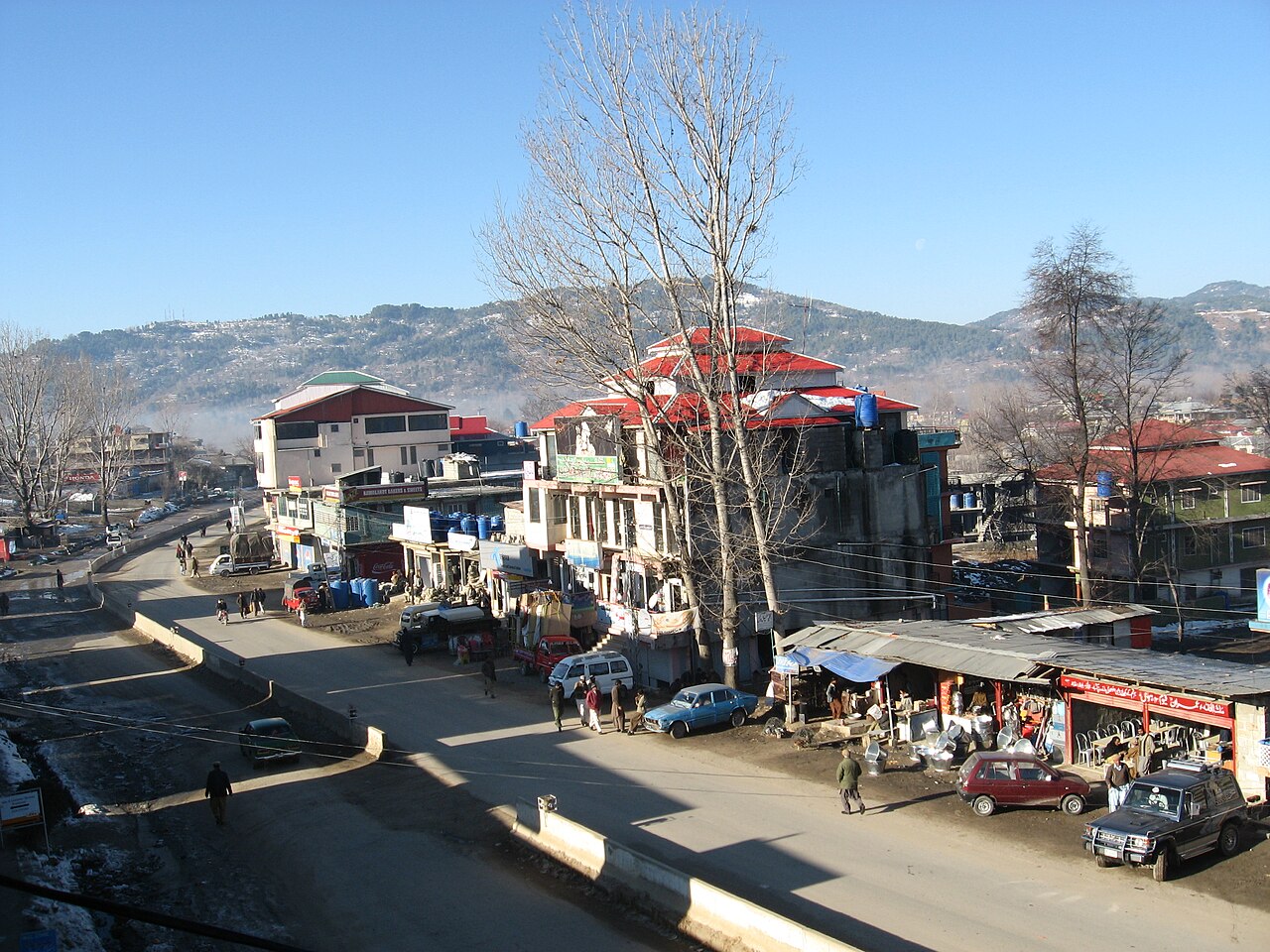
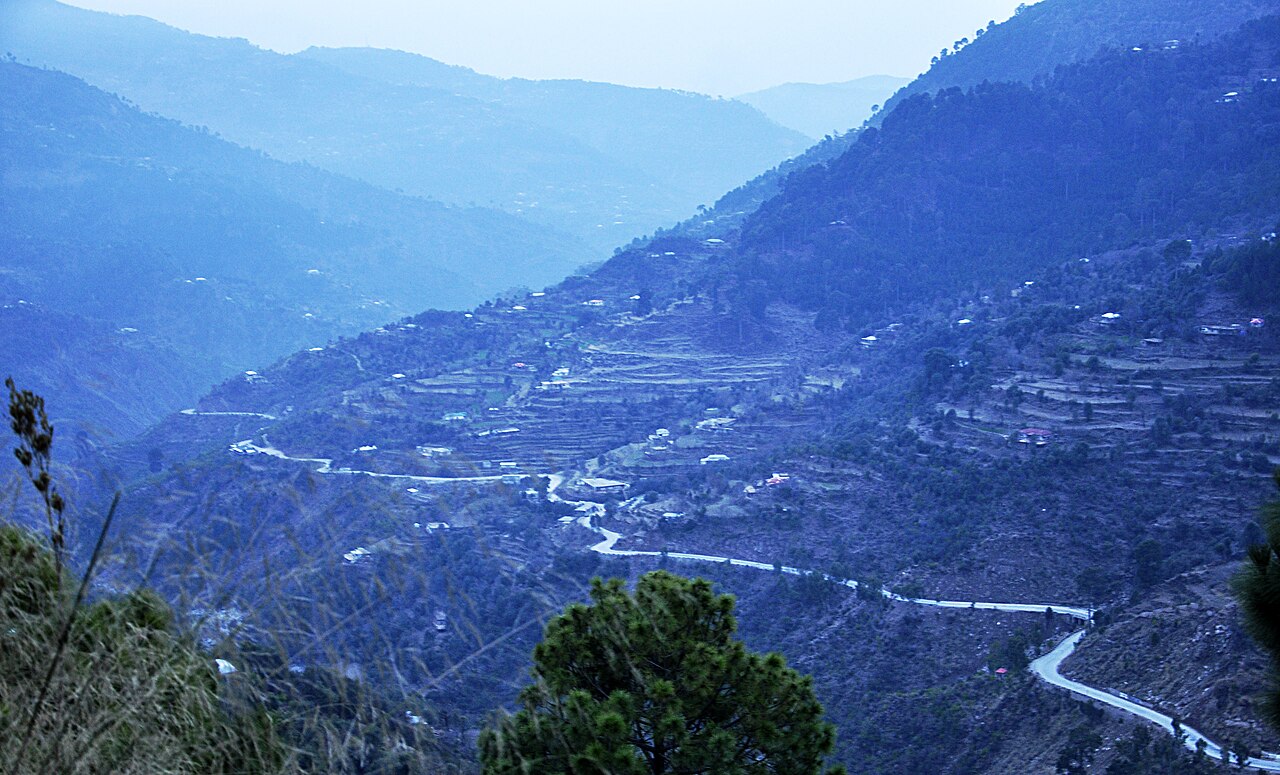
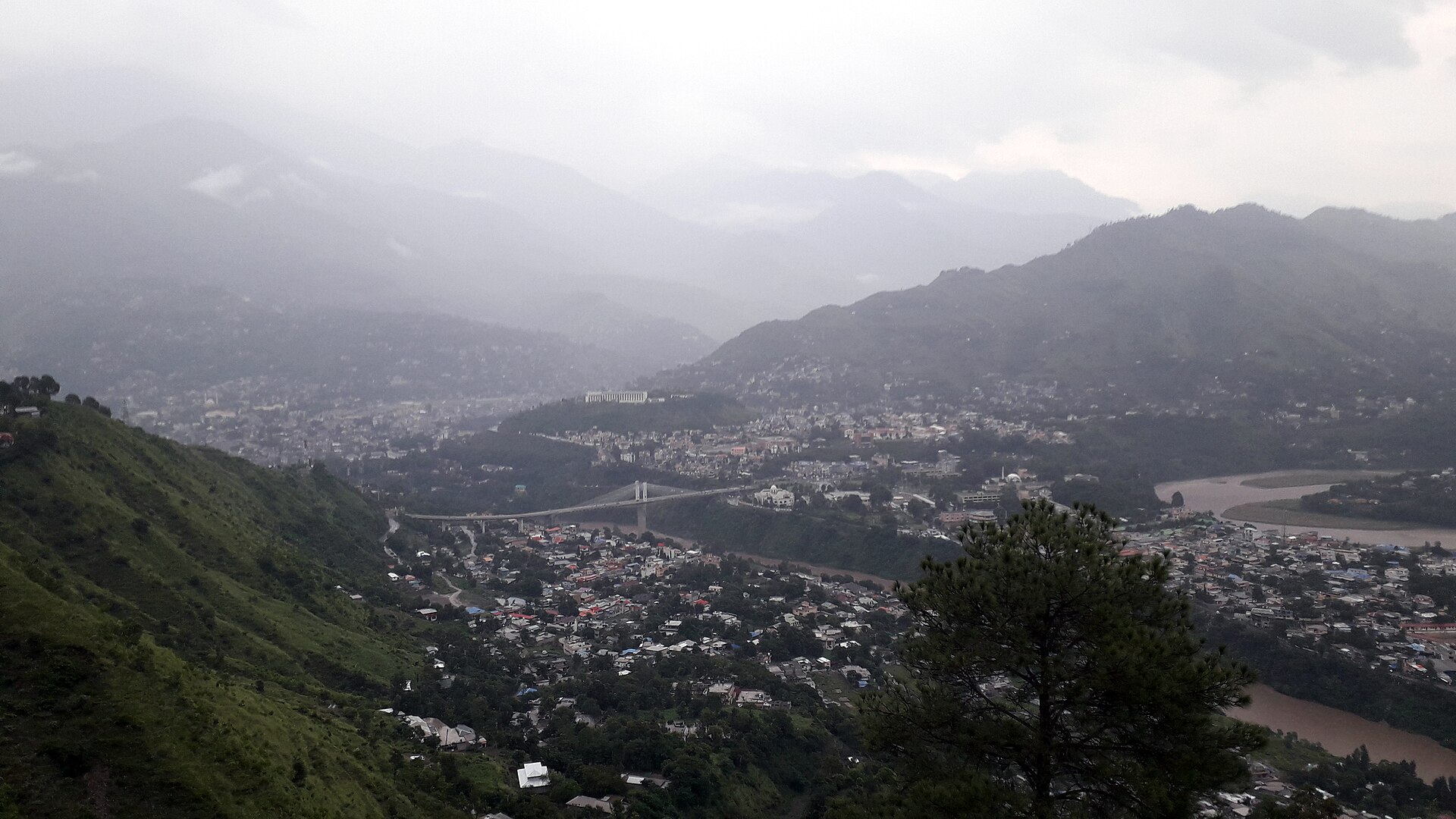
The HRCP mission travelled to Dhirkot, Haveli and Bagh from 8 to 10 August 2026, after a stakeholder consultation in Islamabad on 31 July. It comprised HRCP co-chair Munizae Jahangir, council members Farhatullah Babar, Nasir Zaidi and Sadia Bokhari, and an AJK-based journalist.
What the report found
The commission said the unrest stemmed from longstanding political and socio-economic grievances rather than a single incident, and that an increasingly confrontational state response, including an alleged disproportionate use of force, had deepened polarisation and eroded public trust.
It said it received sharply conflicting accounts about the scale of the violence, the protest methods of the Jammu Kashmir Joint Awami Action Committee (JAAC), and the conduct of security forces. The mission was unable to reach Rawalakot, one of the main centres of the violence, and said it could not independently establish the full scale or circumstances of civilian casualties.
HRCP expressed particular concern at allegations of lethal and excessive force against protesters. AJK police chief Liaquat Ali Malik told the mission that about 38 security personnel had been killed and 742 police personnel injured since June, the report said, while families gave accounts alleging that protesters had been killed or seriously injured by security forces. The commission also criticised the placement of at least 147 JAAC activists on the Fourth Schedule and the use of anti-terrorism laws against people involved in political dissent.
The report separately documented restrictions on journalists, saying reporters had faced arrests, legal action and limits on access to affected areas, while a prolonged internet and mobile communications shutdown had constrained independent verification of deaths, injuries, arrests and alleged electoral irregularities.
The electoral process
AJK’s Legislative Assembly election, originally set for a single day, was held in three phases from 27 July to 10 August 2026 after the schedule was changed on security grounds. The JAAC and the PTI had called for a boycott.
HRCP said the mission observed the third phase in Bagh and found limited evidence of systematic physical coercion of voters at the polling stations it visited. But it said heavy security deployment, prolonged communications restrictions, the boycott by major political actors, phased polling and the postponement of elections in seven constituencies raised wider questions about the credibility and inclusiveness of the process. The PML-N later nominated Barrister Iftikhar Gillani, a candidate defeated in a general seat who was elected on a technocrat seat, as AJK prime minister, as reported in separate coverage.
Why it matters
The report puts the conduct of Pakistan’s security and election machinery in AJK on the record amid a dispute that has continued since June, when the government proscribed JAAC under the AJK Anti-Terrorism Act and imposed a communications shutdown. Its conclusion that the underlying dispute needs a political rather than a coercive solution aligns HRCP with stakeholders who have called for talks.
What remains uncertain
HRCP said several of the accounts it received could not be independently verified, and no independent accounting of civilian casualties in AJK since June has been published. The report’s findings are contested by the authorities, who have in the past described the election as peaceful and attributed the violence to armed elements. The commission’s recommendations are not binding.
Sources & reporting notes
This is a summary of published reporting and a public report, not independent on-the-ground reporting. Findings and figures are attributed to the HRCP and its report, which was reviewed on 30 August 2026.
- Human Rights Commission of Pakistan — "Civic Spaces under Strain in Azad Jammu and Kashmir" (fact-finding report, August 2026)The commission's account of its mission, its findings on the use of force and media restrictions, and its recommendations.
- Kashmir Observer / Press Trust of India — "Pakistan Rights Body Flags Force, Questions PoK Polls"30 August 2026 · A report on the HRCP findings, including the commission's account of alleged disproportionate force, the election phases and its call for an independent investigation.