Reporting snapshot · 2 November 2026. No suspect has been arrested for the attack on police in Paris, injury figures are provisional, and the French interior ministry and unions gave different turnout estimates. Police in France and Germany are still identifying suspects, and none of the weekend's cases had produced a charge when this was published.
What happened
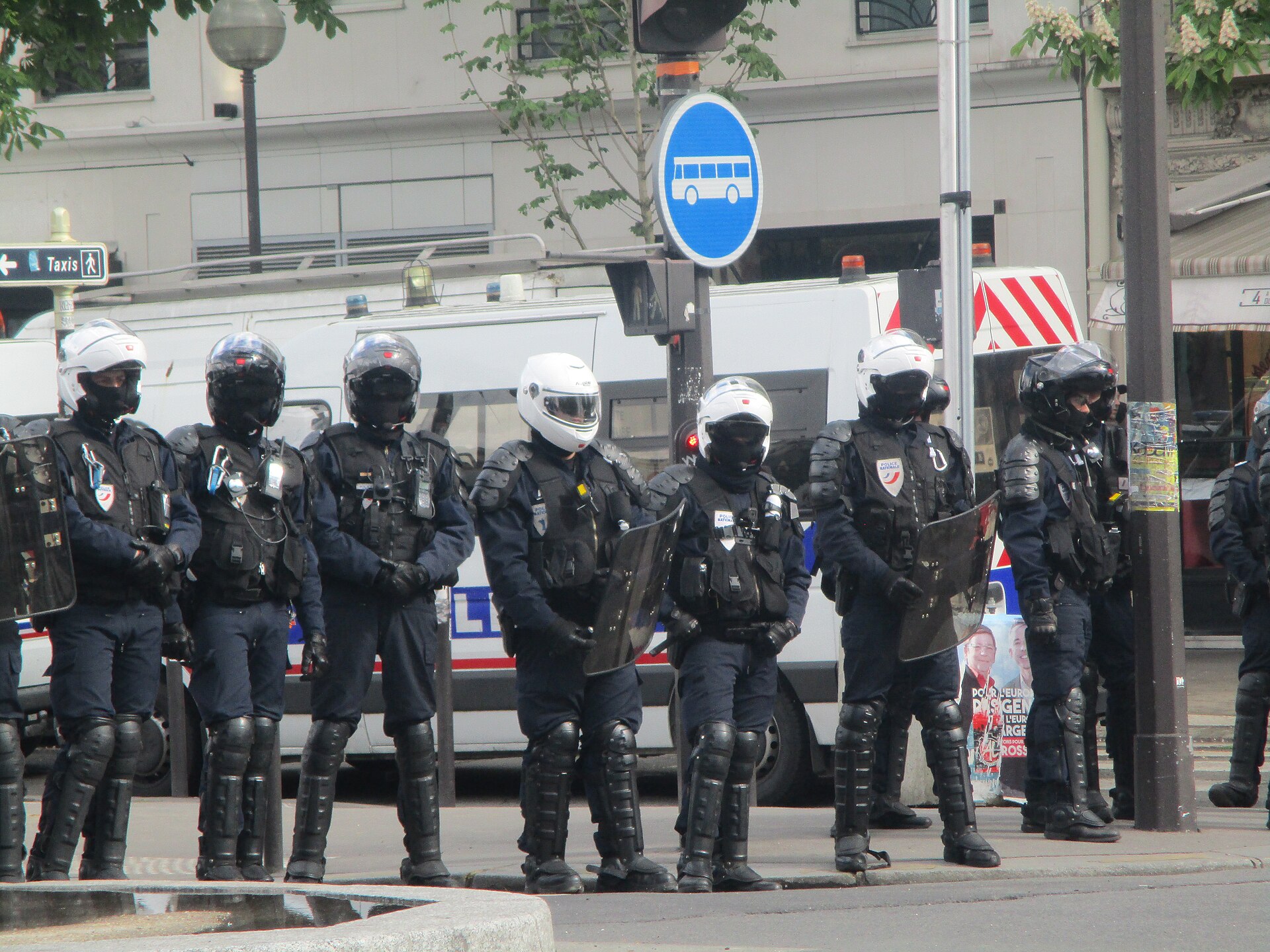
French prosecutors opened an attempted-murder investigation on Sunday, 1 November, after incendiary devices were thrown at about 15 gendarmes and police officers at the end of a nationwide march in Paris, The Guardian reported. The attack took place at Porte de Charenton, where Saturday’s march ended, and video showed a device exploding at a gendarme’s feet and setting his protective equipment alight, DW reported. Prosecutors said no suspect had been arrested over the attack, that reported injuries included second-degree burns and tinnitus, and that the number and severity of injuries were still being established. AFP reported that the investigation was opened for “attempted murder of persons vested with public authority”, that explosive devices were thrown at around 15 gendarmes as well as police officers, and that the injured officer’s unit had been recalled from leave ahead of the protests, The Express Tribune reported.
Interior Minister Laurent Nuñez called the attack attempted murder and described the level of violence as “extraordinary”, the Guardian reported. The interior ministry said 779 people were arrested nationwide during the demonstrations and Halloween night, up from a provisional figure of 565 on Saturday evening, according to DW. Paris prosecutors recorded 105 arrests in the capital — 88 linked to the demonstrations and 17 to Halloween — and said 89 people remained in custody, including at least 22 minors.
The ministry put turnout at 320,000, while unions estimated nearly 500,000, DW reported. Violence followed the marches in Paris, Marseille, Grenoble, Bordeaux, Lyon and Toulouse, the Guardian reported. The arrest total was below the 1,314 recorded the previous Saturday and the 2,628 counted on 17 October, a night when as many as 3,000 shops were pillaged in what the Guardian described as one of the worst outbreaks of urban unrest in France’s recent history.
A European weekend
The French march was the largest of a series of youth-led demonstrations over education, public services, housing and living costs that have shaken several European countries this autumn, the Guardian reported. In Germany, more than 100,000 people marched in over 30 cities on Saturday under the “Gen Z regelt” (Gen Z will sort it) campaign. In Frankfurt, hooded rioters damaged 17 shops and looted five, throwing missiles including petrol bombs, according to Roman Poseck, the Hesse state interior minister. More than 100 of the 1,300 officers deployed in the city were injured and 54 suspects aged from 13 to 29 were arrested, the Guardian reported. Police used water cannon in Cologne, and protesters in Berlin threw bottles and fireworks; Gen Z regelt issued a statement distancing itself from all violence.
In Portugal, riot police cleared a protest camp in Lisbon’s Rossio Square at about 4.30am on Sunday after thousands marched against housing costs on Saturday, the Guardian reported. The protesters want the minority centre-right government to withdraw a bill that makes evictions easier and ends rent caps on new leases, and a smaller camp in Porto was also cleared by force. In Switzerland, hundreds gathered in Zürich and Basel on Saturday night for unauthorised demonstrations under the slogan “We’ve had enough in Switzerland, too”, the Guardian reported. Zürich police used water cannon, tear gas and rubber bullets; a patrol car was damaged and bins and electric bikes were set on fire. In Basel, about 150 people gathered in the city centre, shop windows were smashed and incidents were also reported in Geneva.
In Albania, masked protesters threw stones and firebombs at police in Tirana at the end of a largely peaceful demonstration demanding the resignation of Prime Minister Edi Rama over corruption allegations, the Guardian reported. The interior ministry said on Friday that 350 people had been hurt in the protests, including 200 police officers, and that 269 minors had been arrested. The violence came at the end of an otherwise largely peaceful march, and rubbish bins were set alight as it ended.
Why it matters
The weekend showed how quickly a broad economic complaint can turn into disorder, and how quickly governments reach for policing and punishment in response. Germany’s interior minister, Alexander Dobrindt, said rioters and looters “will be identified and held accountable”, singled out “violent leftwing groups and troublemakers from the migrant community” and said tough penalties must follow, the Guardian reported. In France, Nuñez’s description of “extraordinary” violence came after authorities had increased security ahead of Halloween amid online calls for violence, DW reported.
Those attributions are politically loaded. Blaming particular groups is a statement by ministers, not a court finding, and Gen Z regelt denied responsibility for the disorder in Germany. The argument also shifts quickly from living costs to public order, which is easier to police but does not answer the grievance that brought people onto the streets.
The scale is the other reason to pay attention. Fewer arrests than on 17 October does not by itself mean the movement is fading: the interior ministry still counted 320,000 demonstrators in France, and organisers put the figure far higher. A protest wave that has drawn in students, unions and housing campaigners has now produced violence in five countries in a single weekend, and the response in each country has centred on arrests and investigations.
The pressure is not unique to Europe. Pakistan’s own essentials were 11.32 per cent costlier than a year earlier in October, with food and energy costs driving the increase, as KhabarWire reported. The institutions and the politics are different, but the squeeze on household budgets is a common thread.
What is still uncertain
No one has been arrested for the petrol bomb attack in Paris. Prosecutors have not named a suspect or said whether they have identified the people who threw the devices, and DW reported that investigators were still establishing how many officers were hurt and how seriously. Reports also differ on the officer at the centre of the case: DW described him as a gendarme, while the Guardian described a police officer. Whether the investigation produces charges, and against whom, remains open.
The turnout dispute matters because it shapes how strong the movement looks. The ministry’s 320,000 and the unions’ nearly 500,000 are both estimates by interested parties, and neither is an independent count. The arrest figures are clearer, but they mix protest arrests with Halloween-night detentions, which makes weekend-to-weekend comparisons imprecise.
It is also unclear whether the protests will continue at the same scale. No further national day of action had been announced by the main French organisers when this was published, and the German campaign has distanced itself from the violence without calling off further demonstrations. Police in several countries are still working through arrests and identifications, and the first court decisions could set the tone for how the next round of protests is policed.