Blocking requests sent to PTA
Pakistan’s drug regulator has moved to crack down on the growing online sale and promotion of unregistered and smuggled medicines, writing to the Pakistan Telecommunication Authority to block multiple websites and social media platforms that officials describe as a serious threat to public health.
Documents seen by The News show the Drug Regulatory Authority of Pakistan (DRAP) has formally asked the PTA to restrict access to websites allegedly selling unregistered therapeutic goods, including products promoted aggressively on social media. In separate communications sent in March and April 2026, DRAP’s Division of Quality Assurance and Laboratory Testing identified several websites and online platforms involved in the sale of unregistered medicines, including those targeting sexual health and weight loss.
Smuggled and locally made products
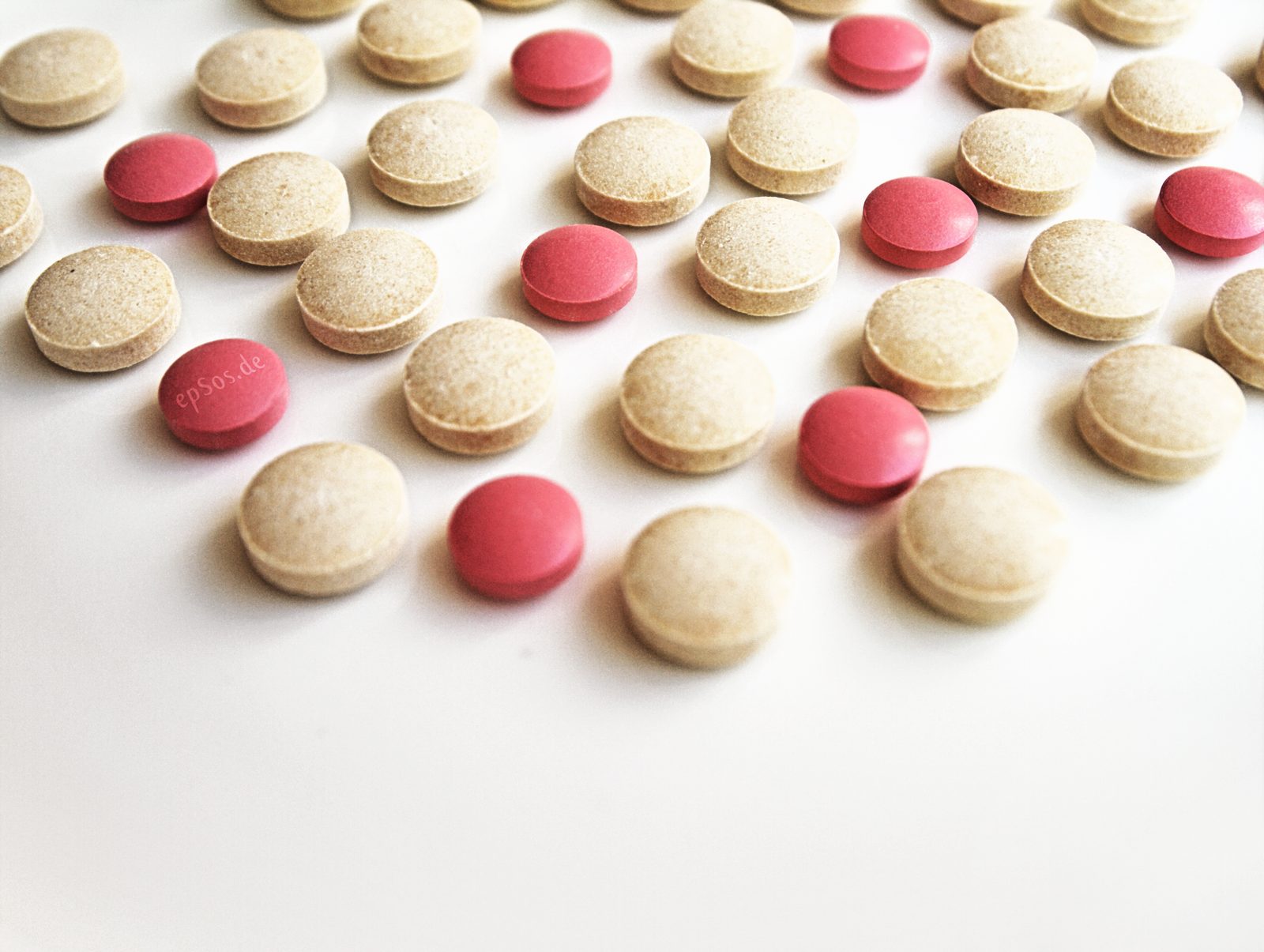
Officials in the Ministry of National Health Services said the move follows a sharp rise in the digital marketing of therapeutic products, including prescription-only medicines and psychotropic drugs advertised directly to consumers without regulatory approval.
“These medicines are being promoted through social media advertisements, WhatsApp marketing, and websites, encouraging people to self-medicate without consulting qualified practitioners,” a senior health ministry official said, warning that such practices violate Pakistan’s drug laws. DRAP noted the activity breaches the DRAP Act, 2012, and the Drugs Act, 1976, making it a punishable offence, and cited provisions on the sale and advertisement of unregistered drugs.
According to DRAP’s letters, the authority acted on public complaints that many websites were selling unregistered therapeutic goods. Another communication highlighted platforms and associated Facebook and Instagram accounts allegedly marketing and selling unregistered medicines to consumers. Officials said many products are smuggled from India and Iran or made locally without registration, and marketed as quick fixes for conditions including erectile dysfunction, anxiety and other disorders.
Enforcement gaps
The regulator has also warned pharmaceutical companies, distributors and digital marketers that no therapeutic product can be advertised without prior approval from DRAP’s Advertisement Board under the Therapeutic Goods (Advertisement) Rules, 2025. Violations can lead to fines, product seizures and referral to law enforcement.
Health experts said the proliferation of online sales reflects gaps in digital enforcement and growing reliance on social media for medical advice, warning that some products may contain undisclosed ingredients or incorrect dosages. DRAP urged the PTA to act swiftly, called for closer coordination between federal and provincial authorities and digital platforms, and advised the public to avoid buying medicines from unverified online sources and to consult qualified doctors first.
Sources & reporting notes
This is a summary of published material, not eyewitness reporting. Sources were reviewed on 2026-04-21.
- The News — Drap seeks blocking of websites as illegal drugs flood social media21 April 2026 · DRAP's March and April 2026 letters to the PTA, the websites and social accounts identified, the health ministry official's comments on social media and WhatsApp marketing, the DRAP Act and Drugs Act provisions, the smuggled India and Iran sourcing, the Therapeutic Goods (Advertisement) Rules 2025 and the public health advice.