Reporting snapshot · 12 October 2026 (Asia/Karachi). The figures here are those confirmed by the UN's International Organization for Migration on 11 October. Search and recovery operations were still under way, so the toll could change; this is a dated account, not a live tracker.
What happened off Obock
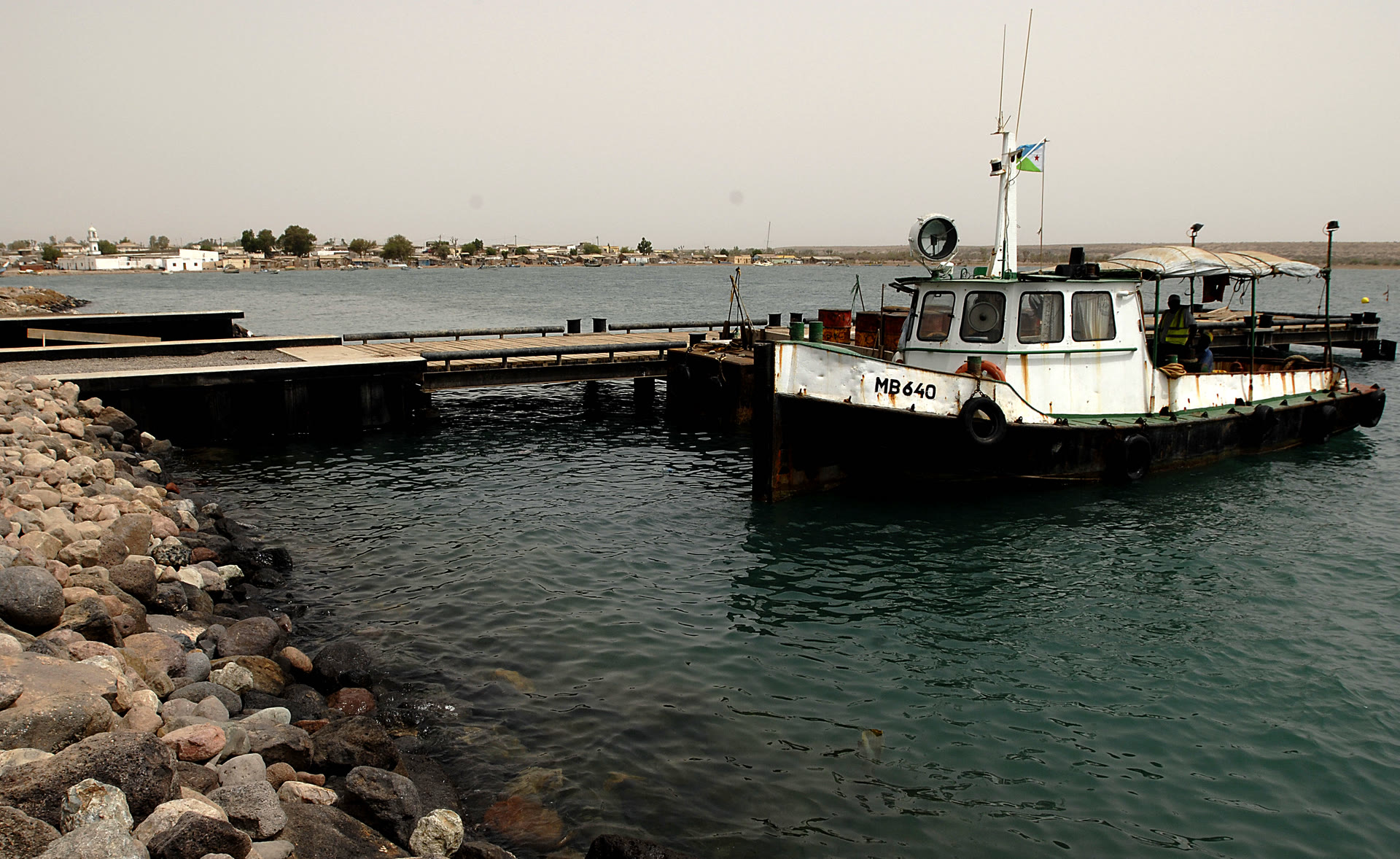
At least 139 migrants, including 15 children, died and about 84 others are still missing after a boat carrying 305 people capsized off the coast of Djibouti, the United Nations’ International Organization for Migration (IOM) said on 11 October. The agency said the boat went down near Guehere, north of the port town of Obock, on the night of 8–9 October as it sailed from Djibouti towards Yemen, citing accounts from survivors.
The agency said about 82 people survived the shipwreck. In its first statement on the disaster, also issued on 11 October, IOM put the toll at 109 dead and more than 116 missing; it later raised the figure to 139 after 30 more bodies were recovered.
The News International reported that the boat overturned during the night of 8-9 October while travelling from Djibouti to Yemen, and that the survivors identified so far were Ethiopian nationals. IOM said it was assisting 64 survivors at its Migrant Response Centre in Obock, while local authorities arranged burials for those who died.
IOM Director General Amy Pope called for governments and donors to act, saying: “No one gets into a boat like that unless they believe there is no other safe way.” She added: “We cannot keep treating these deaths as normal. Safe and legal pathways save lives.”
Why the confirmed toll changed
IOM’s earlier statement recorded 109 dead — among them 52 men, 42 women and 15 children, including nine girls and six boys — and more than 116 missing. Al Jazeera reported that the agency’s chief of mission in Djibouti, Alexandre Coissac, told the Associated Press the figure included only those buried by authorities in Djibouti. Others were buried by fellow migrants and would not enter the count until the bodies could be verified, he said, which means the final toll could exceed the number published.
The BBC reported the same sequence, from 109 on Sunday to 139 after more bodies were recovered, so the figures here are a snapshot rather than a settled total.
The Eastern Route, and a region at war
The boat was travelling the so-called Eastern Route, the corridor that carries tens of thousands of people a year from the Horn of Africa through Djibouti and across the Bab el-Mandeb strait to Yemen, from where many hope to reach Saudi Arabia and other Gulf states for work. The strait is about 20 kilometres wide at its narrowest point, but the crossing is only one danger: migrants who reach Yemen face violence, arbitrary detention, exploitation and trafficking.
IOM said its Displacement Tracking Matrix had recorded more than 20,000 incoming movements to Djibouti from Ethiopia since 10 September. In 2025, more than 900 migrants died or went missing along the route, according to the agency’s Missing Migrants Project, in a year when the number of people attempting it rose by 18 per cent. A separate shipwreck off Djibouti in March 2026 left nine people dead and 45 missing.
The disaster landed in a region already more unstable than at any point this year. Yemen’s government has declared an all-out war to retake Houthi-held territory, and the Houthi campaign against Saudi Arabia has escalated sharply — including a second strike on Riyadh’s King Khalid airport over the weekend, after an earlier attack killed 13 people. The fighting has displaced Yemenis as well as migrants. Dawn, carrying a Reuters report, said IOM described the displacement crisis from the Yemen fighting as alarming, with the figure rising to 200,000 from 76,000 in mid-September, and more than 3,700 people fleeing Yemen by sea to Djibouti as of last week.
The instability is not confined to Yemen. Fighting has also broken out in Ethiopia since late September, and Ethiopian migrants interviewed for an IOM situation report on Djibouti said they had left home because of drought and difficult living conditions, some reporting forced recruitment. The war between Israel, the United States and Iran has meanwhile disrupted shipping through the Bab el-Mandeb and the wider Red Sea, adding strain to the routes and fuel markets that reach Pakistan and the Gulf.
What is still uncertain
Several questions remained open. IOM had not established what caused the boat to capsize; its statements rest on survivor accounts, and there was no independent confirmation of the vessel’s condition, its load or the sea state that night. The death toll itself is provisional: 84 people were still listed as missing, and the IOM’s method — counting only bodies verified and buried by Djiboutian authorities — means the true figure may be higher.
Neither the Ethiopian government, whose nationals made up the survivors, nor the Djibouti government responded immediately to requests for comment, according to wire and newspaper reports. It is also unclear whether the fighting in Yemen and Ethiopia will change the volume or direction of movement along the Eastern Route; the IOM said flows can shift with conditions on both sides.
Sources & reporting notes
This is a synthesis of published reporting and official statements, not eyewitness coverage. Sources were reviewed on 12 October 2026 (Asia/Karachi). The confirmed toll, chronology, assistance figures, the IOM Director General's quote, the route data and the comparison with the March 2026 shipwreck are taken from IOM's two statements of 11 October. The attribution of the count to bodies verified and buried in Djibouti, and the IOM chief of mission's comments, are as reported by Al Jazeera and the Associated Press. Independent accounts of the incident and the regional context come from BBC News, Dawn (Reuters) and The News International.
- IOM — Death Toll in Djibouti Shipwreck Climbs to 139, UN Migration11 October 2026 · The primary statement: 139 dead and 84 missing after 30 more bodies were recovered, the boat's 305 passengers, the night of 8–9 October, the location near Guehere north of Obock, about 82 survivors, and the description of the wreck as one of the deadliest on the Eastern Route.
- IOM — 109 Including 15 Children Dead, Over 116 Missing in Deadliest Shipwreck off Djibouti11 October 2026 · The earlier statement with the first toll, the breakdown of 52 men, 42 women and 15 children, the more than 116 missing, the 64 survivors assisted at Obock, the 20,000-plus movements since 10 September, the 2025 route data and the March 2026 shipwreck.
- BBC News — Children among 139 dead after boat capsizes off Djibouti, UN says11 October 2026 · The revised toll, the 305 people aboard, about 82 rescued, IOM's revision from 109 after 30 more bodies were recovered, the IOM chief of mission's "stark reminder" comment, the 2025 statistics, and the role of the Yemen war in driving displacement.
- Al Jazeera — At least 139 dead, 84 missing as migrant boat capsizes off Djibouti11 October 2026 · The updated figures, the crossing's role for migrants from the Horn of Africa, and the attribution of the count to bodies buried and verified in Djibouti, reported from an Associated Press interview with IOM's Alexandre Coissac.
- Dawn (Reuters) — At least 139 migrants dead, including some children, after boat from Djibouti to Yemen capsizes11 October 2026 · The confirmed toll and location, that Ethiopia's government did not immediately respond, and the Yemen displacement figures of 200,000 from 76,000 and more than 3,700 people who fled to Djibouti by sea.
- The News International — Djibouti migrant boat capsizes, leaving 139 dead, including 15 children11 October 2026 · The night of 8-9 October, the survivors as Ethiopian nationals, the 82 rescued and the description of the route used to reach Gulf countries.
- KhabarWire — Second Houthi strike hits Riyadh airport as Pakistan reaffirms Makkah pact12 October 2026 · The escalation of the Houthi campaign against Saudi Arabia and the wider Middle East conflict that frames the regional instability described above.
- KhabarWire — Middle East crude exports rebound past pre-war levels despite Hormuz tanker attacks5 October 2026 · The disruption to Red Sea and Bab el-Mandeb shipping and its effect on energy routes reaching Pakistan and the Gulf.