What happened
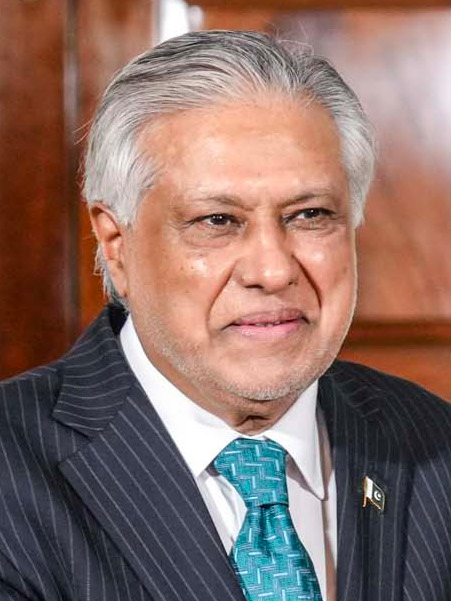
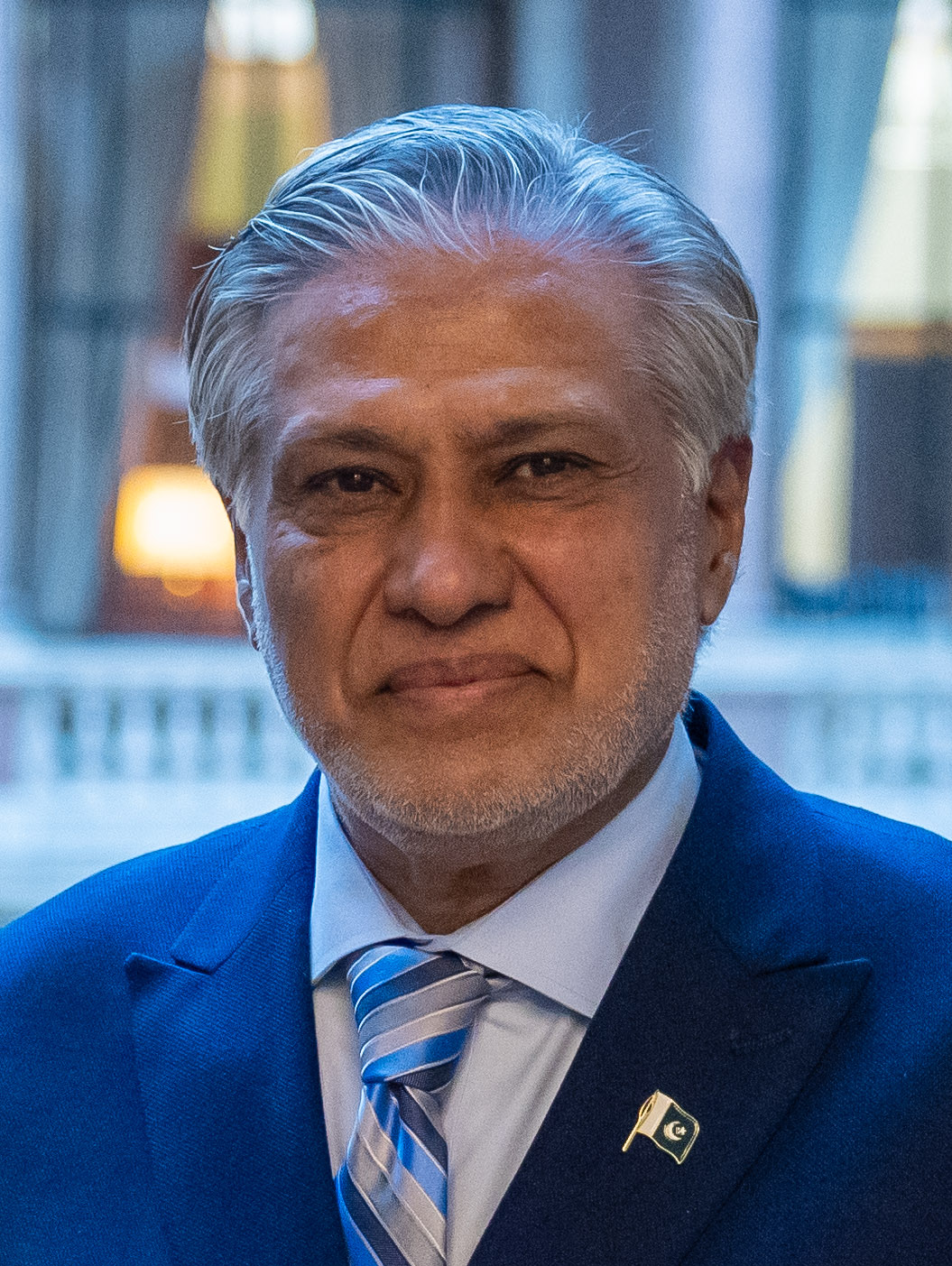
Foreign Minister Ishaq Dar on Wednesday, 24 June 2026, tabled the three-page United States-Iran agreement in the National Assembly and said its second phase would cover technical discussions on nuclear matters, sanctions and frozen assets, and Lebanon.
Dar placed the document on the record of the House alongside the 22 June joint communique issued by the United States, Iran, Qatar and Pakistan. He said the agreement had been “considerably misunderstood” and was often misquoted.
“It is the right of both Houses that I place this on the record of this assembly, so that if any colleague wishes to see this document, take a copy, or quote it, there is no misunderstanding,” he told the House.
He said every page of the agreement carried initials and that the third page bore full signatures, and that the Foreign Office had also uploaded the communique to its website so that members of the National Assembly and the Senate could read it.
How the agreement was reached
Giving the House an account of the mediation, Dar said the breakthrough followed a 21-hour negotiating session on 10 and 11 April. The talks ran through six rounds, with breaks used for consultation, and continued until the pre-dawn Fajr prayer.
He said the United States delegation comprised Vice President JD Vance, Steve Witkoff and Jared Kushner. Iran was represented by Senior Speaker Bagher Ghalibaf and two other senior officials, including a National Security Council secretary. Pakistan’s delegation was led by Dar alongside the Chief of Army Staff and Chief of Defence Forces, Field Marshal Asim Munir, and the Director-General of Inter-Services Intelligence.
Dar said the talks stalled at one stage as both sides referred back to their leaderships, and that serious apprehensions emerged in the following weeks that the process might not conclude. He credited Prime Minister Shehbaz Sharif, Field Marshal Munir and the Foreign Office for persisting.
He also noted that a regional forum of Saudi Arabia, Pakistan, Egypt and Turkiye became actively engaged, meeting in Riyadh on 19 March, in Antalya, in Islamabad on 29 March and most recently in Egypt. KhabarWire’s account of the 24 June Foreign Office briefing set out the follow-up framework agreed under the memorandum.
Signing moved from Geneva
Dar said the agreement had originally been due to be signed physically in Geneva on 19 June at the Intercontinental hotel, with arrangements already in place. On the night of 18 June, President Donald Trump, attending the G7 summit in France, decided to sign electronically. The document was transmitted to Iran, where President Masoud Pezeshkian signed it, and Prime Minister Shehbaz Sharif signed as mediator on Pakistan’s behalf.
Why it matters
The tabling puts the text and the mediation record before parliament after weeks of public debate about the accord’s terms, and sets out the scope of the next phase: nuclear questions, sanctions and frozen assets, and Lebanon. Dar’s account also documents Pakistan’s role as the mutually agreed mediator and the sequence that moved the signing from a planned Geneva ceremony to an electronic exchange.
Sources & reporting notes
This is a summary of published reporting, not independent reporting. Details are as carried by the cited sources, which were reviewed on 2026-06-25.
- The Express Tribune — "Dar places US-Iran accord on record"25 June 2026 · Dar's tabling of the three-page agreement, phase two scope, the 10-11 April talks and the signing sequence.
- Dawn — "Dar says world now recognises Pakistan as a 'peacemaker' for role in US-Iran mediation"25 June 2026 · Dar's remarks in Lahore on Pakistan's mediation role.

.jpg)