Reporting snapshot · 10 November 2026 (Asia/Karachi). COP31 opened on 9 November and is in its opening days. No final negotiated text has been adopted. The electrification target described below is a voluntary pledge, and Pakistan's financing figures are estimates of needs rather than commitments made at the summit.
What happened
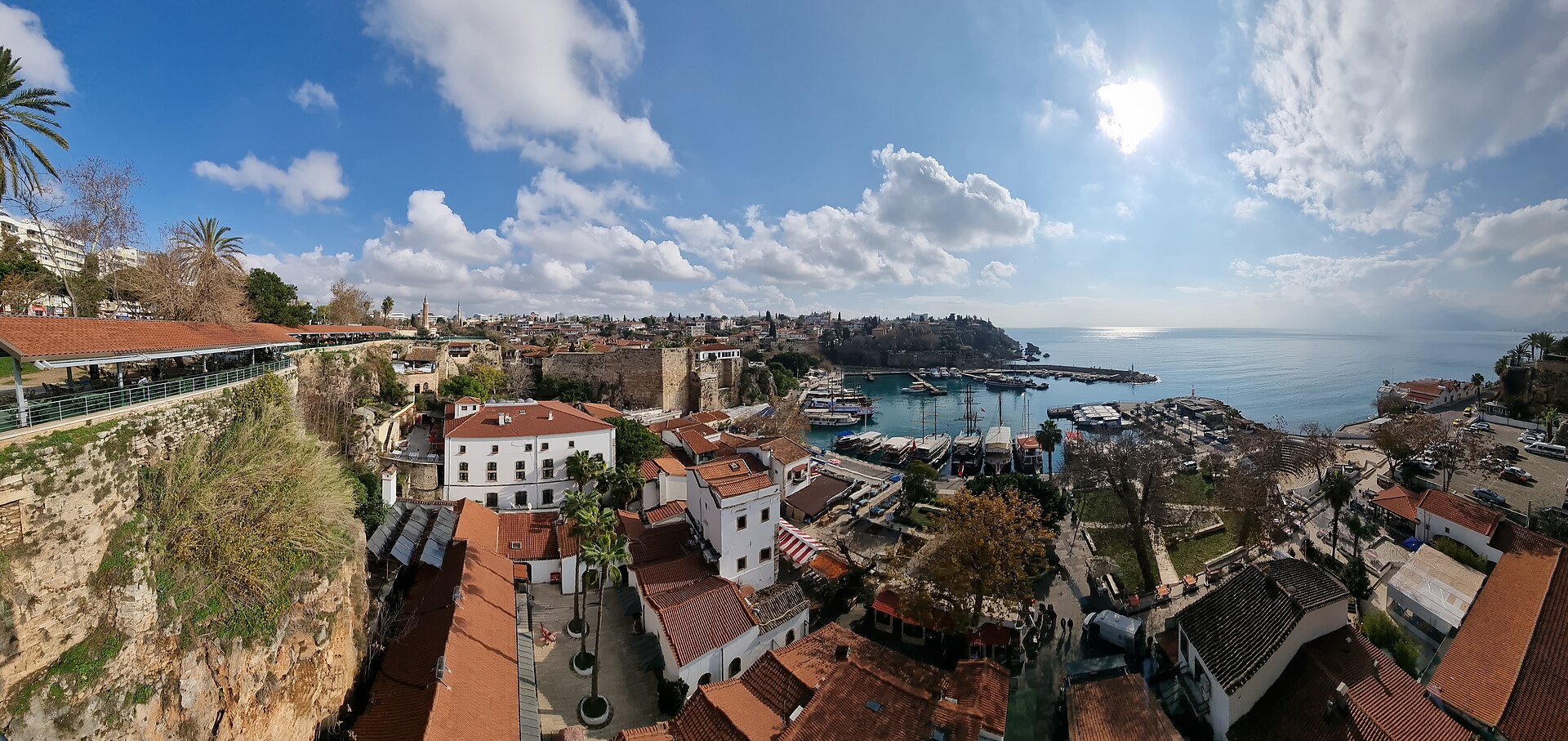
The COP31 climate summit opened in Antalya, Turkey, on Monday, 9 November, with the UN climate chief saying progress was “nowhere near fast enough” as delegates began two weeks of talks. The conference runs from 9 to 20 November and brings together 197 parties to the UN Framework Convention on Climate Change, according to the COP31 presidency. Simon Stiell, executive secretary of the UN climate convention, told the opening that “the urgency of this moment must drive us forward,” Reuters reported.
The opening came after a UN Environment Programme report in October said the world was already poised to overshoot 1.5°C of warming above pre-industrial times, the threshold set in the 2015 Paris Agreement. This year is on track to be one of the four hottest on record, driven by a powerful El Niño, according to a UN report released on Monday and cited by Reuters.
Turkey, which holds the COP31 presidency, used the opening to launch a “35 by 35” global electrification pledge. The non-binding target aims to raise electricity’s share of global final energy demand to at least 35 per cent by 2035, from about one-fifth today, Al Jazeera reported. COP31 President Murat Kurum said the goal would bring climate action into daily life through lower-energy buildings, clean public transport and affordable power.
Why the electrification pledge is contested
The pledge is the centrepiece of Turkey’s presidency, but it has run into an early argument over what counts as climate progress. Climate advocates told Al Jazeera that the target does not require the additional electricity to come from low-carbon sources. That leaves open the possibility that more coal, gas or oil-fired generation could be counted toward the 35 per cent goal, they said.
The dispute reflects the wider energy picture at this year’s talks. The US-led war with Iran has disrupted oil shipments through the Strait of Hormuz and pushed fuel prices higher, while South Korea, India, Thailand and other Asian economies have increased their reliance on coal or moved to boost coal-fired generation, Reuters reported. US President Donald Trump’s administration is shunning the climate talks for the second year running and has encouraged policies maximising oil, gas and coal output.
Supporters of the pledge argue that electrification improves energy security by reducing dependence on imported fuels. Kurum said this year’s energy crisis had shown that “energy that you import is energy that you do not control,” according to Al Jazeera. Stiell told the summit that renewables were the clear answer to the fossil-fuel price shock, Reuters reported. The disagreement is likely to shape the first week of negotiations, even though the pledge itself is voluntary.
Pakistan’s case
For Pakistan, the summit is less about the electrification target than about how climate finance is delivered. The country produces less than 1 per cent of global greenhouse-gas emissions, but it is still repairing the damage from the 2022 floods and the 2025 monsoon.
The 2022 floods affected about 33 million people, displaced nearly 8 million and killed more than 1,700, according to the government’s Post-Disaster Needs Assessment, which put damage at $14.9bn and economic losses at $15.2bn, with reconstruction needs of $16.3bn. The 2025 monsoon caused losses of about Rs822bn, or roughly $2.9bn, with more than 1,000 deaths, about 4 million people displaced and nearly 3.3 million acres of cropped land damaged, according to a preliminary Ministry of Planning assessment reported by Pakistan Today.
Together, the two disasters imply a burden of more than $33bn before counting heatwaves, droughts and smaller floods, Pakistan Today reported. The United Nations estimates that Pakistan needs about $348bn between 2023 and 2030 to meet its climate and development needs, including $152bn for adaptation and resilience.
Pakistani analysts and officials argue that the priority is finance that does not deepen the country’s debt. Pakistan is already in an IMF programme, and analysts argue that new borrowing for reconstruction would add to an already heavy debt burden; it took the chair of the Borrowers’ Platform council at the IMF and World Bank meetings in Bangkok last month. The Friday Times argued that Pakistan should insist on finance that is “predictable, timely, and provided as outright grants rather than loans,” warning that countries facing inflation and debt should not be forced deeper into borrowing to repair disasters they did not cause (The Friday Times).
Pakistan also wants faster access to the Loss and Damage Fund, which made its first allocation only last month, and a clear delivery plan for the commitment made at Belém to at least triple adaptation finance by 2035, Pakistan Today reported. A national disaster risk financing facility backed by contingency funds and insurance would show that Pakistan is doing its part, Pakistan Today argued.
Mountains, deltas and the limits of adaptation
Pakistan’s climate case extends beyond flood repair. The Hindu Kush, Karakoram and Himalayan ranges supply freshwater to millions of people, and rising temperatures are melting glaciers and increasing the risk of glacial lake outburst floods. The Friday Times argued that Pakistan should build a coalition with Nepal, Bhutan, Tajikistan and Kyrgyzstan to press for glacier monitoring, early-warning systems and resilient infrastructure.
In the south, the Indus Delta depends on freshwater flows reaching the sea below Kotri Barrage. Without those flows, seawater intrudes into farmland and aquifers, damaging soils and displacing fishing communities. Mangrove restoration, including the Delta Blue Carbon initiative, has rehabilitated about 75,000 hectares and benefited about 43,000 people through carbon credits and local jobs, according to the Friday Times. But the article argued that planted mangroves cannot survive without adequate freshwater flows, making the delta’s survival a question of river management as much as conservation.
These domestic priorities matter because they shape Pakistan’s credibility in the negotiations. The Friday Times said Pakistan’s moral authority at COP31 rests on two pillars: holding wealthy polluters accountable for the damage they cause, and demonstrating transparent, accountable climate governance at home. Pakistan has also moved to use market mechanisms, signing its first Article 6.2 carbon market deal with Norway in April.
What is still uncertain
The 35-by-35 pledge is voluntary and open for countries to endorse; it is not yet clear how many will sign. It is also unclear whether the final COP31 text will include a stronger commitment to phase out fossil fuels, or whether the language will remain focused on electrification and implementation. The US is not participating in the talks for the second year running, removing Washington from the negotiating table even as its energy policies shape the market that delegates are discussing.
For Pakistan, the key unknowns are financial. It is not yet clear how much of the Loss and Damage Fund will be capitalised, how quickly grants will reach affected countries, or whether adaptation finance will be counted in ways that add to debt. Pakistan’s own fiscal position limits how much it can spend on resilience without external support. The summit’s first week will show whether the pledges made at the opening are matched by money and timelines, or remain announcements.
That is the test Pakistan will be watching: not whether Antalya produces another declaration, but whether the finance arrives as grants, on time, and at a scale that matches the damage.