Reporting snapshot · 17 October 2026 (Asia/Karachi). The joint statement discussed here was issued by Pakistan's Ministry of Foreign Affairs on 16 October 2026 and carries the reference 290/2026. It is a political declaration by foreign ministers, not a binding legal instrument, and no signatory has announced an enforcement step. This article is a synthesis of the statement and published reporting; sources were reviewed on 17 October 2026.
What happened
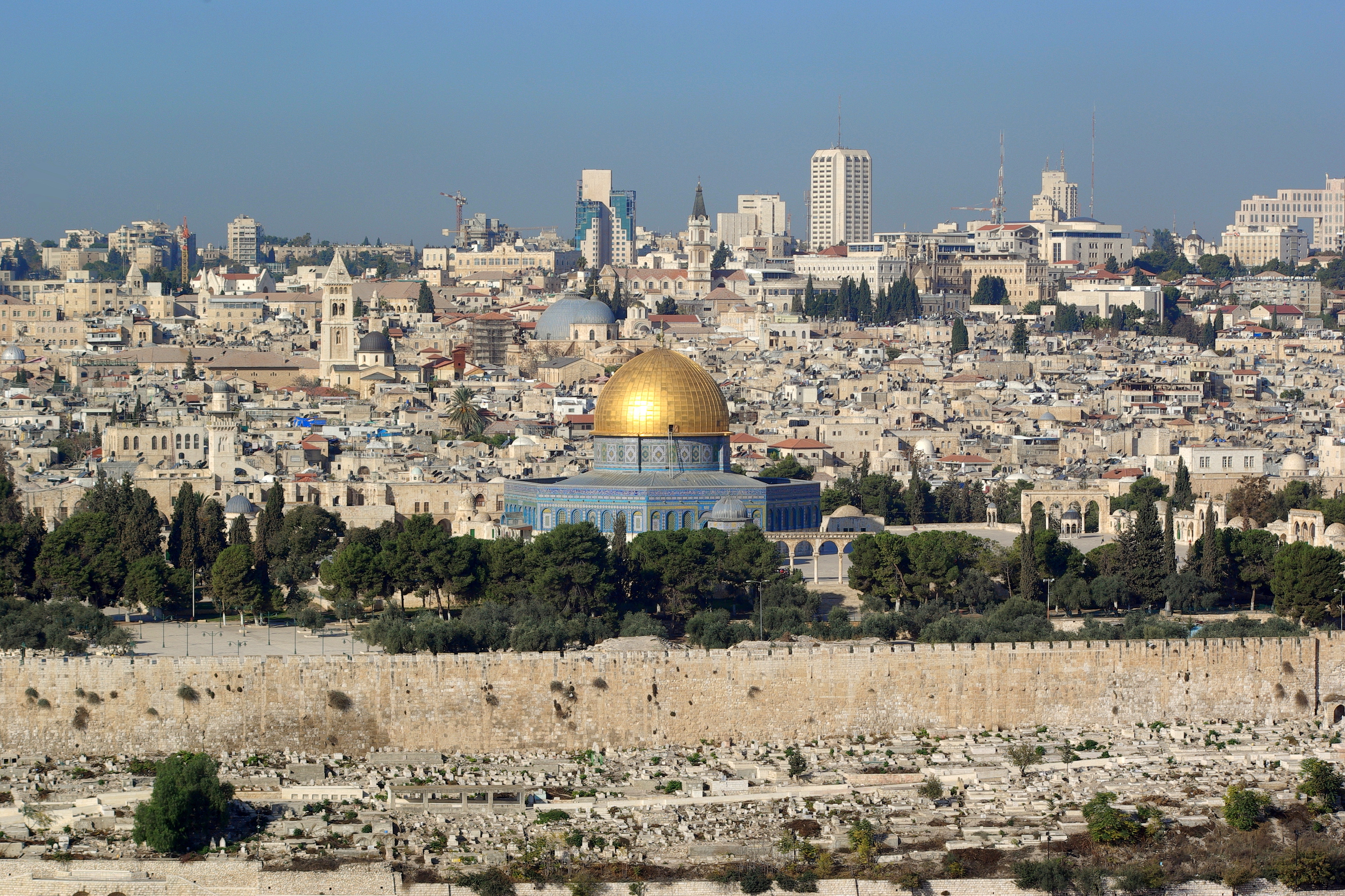
Pakistan’s Foreign Office published the joint statement on Friday, 16 October 2026, under reference 290/2026. In it, the foreign ministers of Pakistan and other countries said they “strongly condemn and express their unequivocal rejection” of “the inauguration by the Republic of Colombia of its embassy in Jerusalem”, a step they said “contravenes relevant United Nations Security Council resolutions and undermines international efforts to achieve a just and lasting peace based on the two-State solution”.
The statement names the following states in its title: Pakistan, Algeria, Djibouti, Egypt, Indonesia, Jordan, Kuwait, Lebanon, Libya, Malaysia, Oman, Palestine, Qatar, Saudi Arabia, Somalia, Syria, Sudan and Türkiye — 18 in all. Its opening paragraph names 19, adding Yemen. Reporting on the size of the group differed accordingly. Dawn described it as “18 countries, including Pakistan”, while The Express Tribune and Pakistan Today framed it as “Pakistan and 18 other countries”. Because the statement itself is inconsistent, this article does not treat any single figure as definitive.
The ministers set out three demands and claims. First, they reaffirmed that “any measure or decision intended to alter the legal or historical status of occupied Jerusalem, or to recognize it as Israel’s capital, is null and void and has no legal effect”. Second, they said that position “is consistent with” United Nations Security Council and General Assembly resolutions, “particularly Security Council Resolutions 476 (1980) and 478 (1980), which reject attempts to change Jerusalem’s character or status and call on States to withdraw diplomatic missions from the city, which is part of the Palestinian territory occupied in 1967”. Third, they called on the Colombian government to “reconsider and reverse this decision”, to uphold its obligations under international law and to refrain from measures that “prejudice the legitimate rights of the Palestinian people, including their right to an independent and sovereign Palestinian State with East Jerusalem as its capital”.
The move that prompted it
Colombia opened its embassy in Jerusalem on Wednesday, 14 October, becoming the 10th country to establish a diplomatic mission in the city, according to The Express Tribune, citing Reuters. The step followed a change of policy under President Abelardo de la Espriella, who reversed his predecessor’s decision to sever diplomatic ties with Israel. Former president Gustavo Petro had broken off relations in May 2024 over Israel’s military operations in Gaza. The embassy opening also coincided with the restoration of a free trade agreement between the two countries, the reports said.
Most countries keep their embassies to Israel in Tel Aviv. Israel regards Jerusalem as its capital, while the Palestinians seek East Jerusalem as the capital of a future independent state, and the city’s status remains one of the most contested questions in the Israeli-Palestinian conflict. Colombia’s move was therefore a symbolic but pointed defection from the long-standing diplomatic consensus that most states observe by locating their missions in Tel Aviv.
Why the legal wording matters
The ministers rest their position on Resolutions 476 and 478, both adopted in 1980. Resolution 478 followed Israel’s “basic law” declaring Jerusalem its capital and called on member states with diplomatic missions in the city to withdraw them. The joint statement uses that history to argue that any recognition of Jerusalem as Israel’s capital is without legal effect.
The declaration is nonetheless political rather than judicial. It does not by itself move an embassy, impose sanctions or create a legal obligation for Colombia. It records the position of the signatories and is designed to raise the cost, diplomatically, of following Colombia’s example. The statement sets out no timeline and names no enforcement mechanism.
Why it matters for Pakistan
The declaration is the latest in a series of multilateral statements Pakistan has used to press the same position. In March 2026, Pakistan delivered a joint UN Security Council stakeout statement with seven other members opposing annexation and settlement activity in the occupied Palestinian territory — a statement KhabarWire reported at the time. Pakistan has also worked through Gaza-focused diplomacy, including the January 2026 invitation it described to the Trump administration’s proposed Gaza Board of Peace — the subject of an earlier KhabarWire report.
The joint statement restates Pakistan’s long-held position that a two-State solution should leave East Jerusalem as the Palestinian capital. It also places Islamabad at the head of a coalition that includes Arab Gulf states, Türkiye, Egypt, Indonesia and Malaysia, and follows a period in which Pakistan has been active in Middle East diplomacy, including its role in the Makkah Joint Defence Agreement with Saudi Arabia and Türkiye. The timing, two days after the embassy opening, suggests a deliberate attempt to assemble a broad bloc of Muslim-majority and other states quickly.
What is still uncertain
Several things remain open. Colombia has given no public indication that it will reverse the decision, and the foreign ministers’ statement offers no mechanism to compel it. Because the signatory list is inconsistent within the document — 18 states in the title, 19 in the opening paragraph — the exact size and composition of the group may continue to be reported differently. It is also unclear whether the signatories will take the issue to the United Nations, the Organisation of Islamic Cooperation or another forum, or whether any further states will join the position.
What is clear is the substance of the claim the signatories are making: that, in their view, Colombia’s embassy in Jerusalem has no legal effect and should be undone. Whether that argument changes any state’s behaviour is a separate question, and one the statement does not answer.
Sources & reporting notes
This is a synthesis of published material, not eyewitness reporting. Sources were reviewed on 17 October 2026.
- Ministry of Foreign Affairs, Pakistan — Joint Statement by the Foreign Ministers (16 October 2026)Primary record · Reference 290/2026. The full text of the statement, including the list of signatories and the citation of Security Council Resolutions 476 and 478.
- The Express Tribune — Pakistan, 18 countries reject Colombia's Jerusalem embassy (16 October 2026)Independent report · Confirms the statement, the signatory list, the 14 October embassy opening and the Colombian policy shift under President Abelardo de la Espriella.
- Pakistan Today — Pakistan, 18 countries reject Colombia's Jerusalem embassy move (16 October 2026)Independent report · Corroborates the statement's wording, the 1980 resolutions and the restoration of the Colombia–Israel free trade agreement.