What happened
Pakistan and Norway signed a bilateral agreement under Article 6.2 of the Paris Agreement in Islamabad on Wednesday, 1 April 2026, the Ministry of Climate Change and Environmental Coordination said, making it Pakistan’s first such carbon market accord.
Minister for Climate Change and Environmental Coordination Musadik Malik called the agreement a “historic milestone” and said it moved Pakistan “from carbon market preparedness to practical implementation.” He added: “This is Pakistan’s first bilateral agreement under Article 6.2 and an important step towards implementation. It creates a credible pathway for international cooperation and investment in Pakistan’s climate priorities.”
Under the memorandum of understanding, The Express Tribune reported, Pakistan will be able to develop carbon-credit generating projects in clean energy, agriculture, transport and waste management, and potentially sell the resulting emission reductions to Norway.
Why it matters
The deal opens a route to international carbon finance at a time when Pakistan is absorbing recurring floods, heatwaves and other climate shocks. Malik said Pakistan had “strong mitigation potential” in renewable energy, agriculture, transport and waste management, and that the agreement should encourage project developers and investors to move forward.
Norway’s ambassador to Pakistan, Per Albert Ilsaas, told the signing ceremony that the accord began “a new era in bilateral environmental cooperation.” He said Norway, which aims to be climate neutral by 2030, was buying Internationally Transferred Mitigation Outcomes (ITMOs) under Article 6 not to meet its formal climate targets but to go beyond them, according to Pakistan Today.
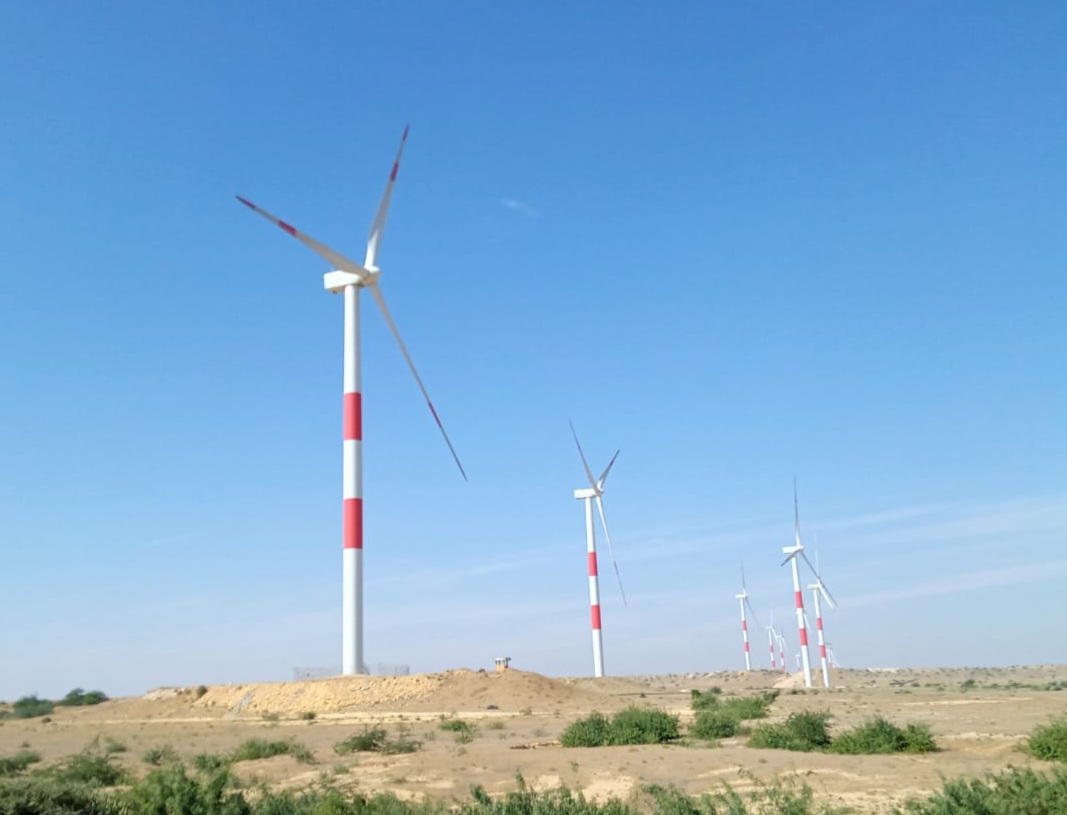
Ilsaas said Norway’s Global Emission Reduction Initiative, launched in 2024 with a $1.5bn budget approved by the Norwegian parliament, would channel carbon finance to countries such as Pakistan. Norway has signed similar agreements with Benin, Indonesia, Zambia, Jordan and Senegal and is working to buy 15 million carbon credits by 2030, he said. He invited Pakistan to present a broader pipeline of projects, pointing to the Zhenfa 100-megawatt solar project and the Indus wind energy project as possible candidates.
What happens next
Malik said Pakistan had already approved its first national policy guidelines for carbon trading in January 2025 and was now establishing the rules, reporting systems and bilateral arrangements needed to operationalise the market. He said the agreement would strengthen Pakistan’s position in international carbon markets and create opportunities in its emerging green economy.
Both sides said the pact could improve Pakistan’s access to climate finance and private-sector investment while supporting low-carbon growth and the country’s commitments under the Paris Agreement.
Sources & reporting notes
This is a synthesis of published material, not independent confirmation. Sources were reviewed on 1 April 2026.
- The Express Tribune — Pakistan, Norway seal first-ever carbon market deal under Paris climate pact1 April 2026 · Account of the Islamabad signing, Musadik Malik's "historic milestone" framing, the sectors covered and the agreement's significance for climate finance.
- Pakistan Today — Pakistan steps into global carbon market with historic Norway agreement1 April 2026 · Ministry statement, Malik's remarks on moving from preparedness to implementation, and Ambassador Per Albert Ilsaas's description of Norway's ITMO purchases and the Global Emission Reduction Initiative.