Reporting snapshot · 20 November 2026 (Asia/Karachi). COP31 is still in session and no final decision has been adopted. The wording and figures below refer to the revised cover decision released on 19 November; the text could change again before delegates close the summit.
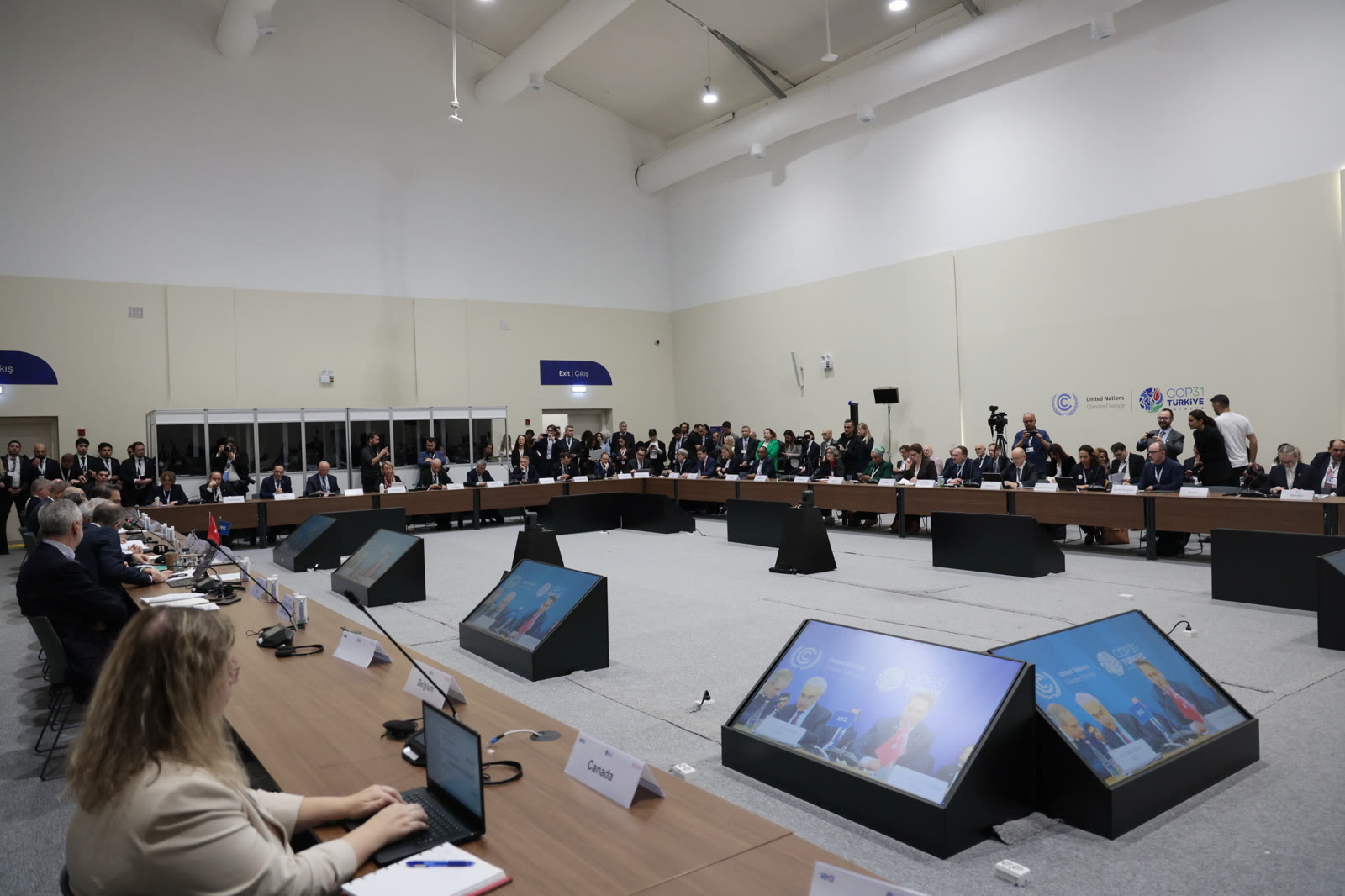
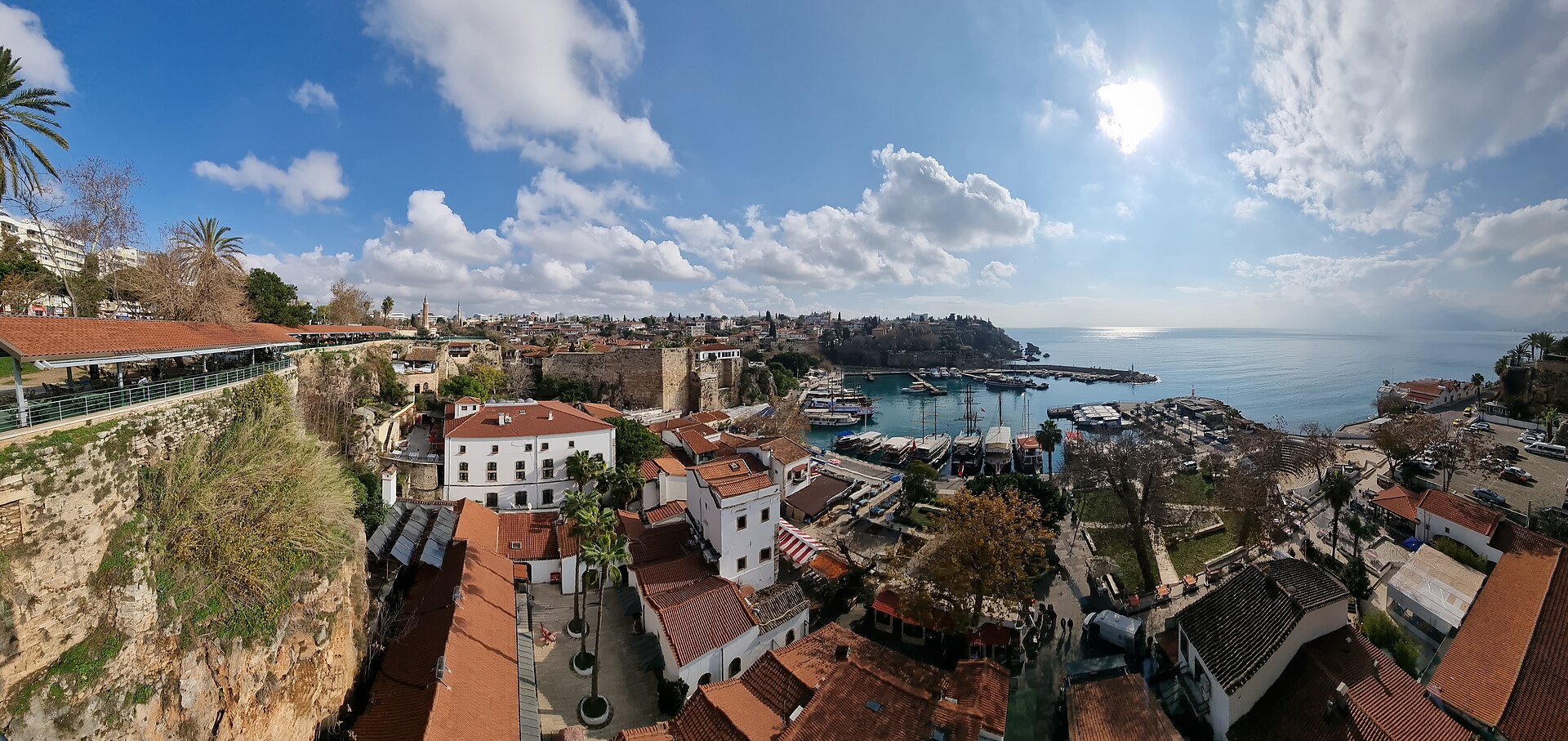
COP31 negotiations in Antalya were heading into overtime on Friday, 20 November, after a revised draft cover decision removed language on transitioning away from fossil fuels and dropped a proposed $120 billion adaptation-finance target, drawing rejection from African, island and civil-society groups.
The summit was due to close on Friday after two weeks of talks hosted by Türkiye, with Australia leading the negotiations. Instead, delegates were still working through 79 areas under discussion in a text the presidency released on Thursday afternoon, down from more than 140 earlier in the week, The Guardian reported. Türkiye’s environment minister, Murat Kurum, is COP31 president, while Australia’s climate minister, Chris Bowen, is president of negotiations, according to the COP31 presidency.
The cover decision is the summit’s main political signal. It does not cut emissions by itself, but it sets the direction for investment, adaptation finance and the next round of national climate plans. This year’s draft is the first from a COP to acknowledge that the world is on course to overshoot the 1.5°C warming limit set in the 2015 Paris Agreement.
What the revised text removed
The draft published on the afternoon of 19 November no longer mentions fossil fuels, The Guardian reported. The phrase “transition away from fossil fuels” was replaced with an “irreversible global transition” to lower emissions and climate resilience.
Carbon capture, utilisation and storage now sits at the centre of the energy section. The text retains bracketed targets for storing hundreds of millions of tonnes of carbon dioxide a year by 2035, a provision critics describe as a lifeline for fossil-fuel producers to keep extracting while promising that unproven technology will clean up the consequences later, The Express Tribune reported from Antalya.
Adaptation finance was cut back more sharply. A proposed $120 billion target has disappeared and been replaced by a commitment to discuss tripling adaptation funds by 2035, without a baseline, a delivery pathway or new pledges, according to the Tribune.
The draft also weakens a goal to raise electricity’s share of global energy demand to 35 per cent by 2035. It no longer says the additional electricity must come from renewable sources, leaving room for fossil-fuel generation to count toward the target. And while the text acknowledges that warming is projected to exceed 1.5°C, it does not name the cause or set obligations that would amount to a transition, the Tribune reported.
Why African and island states rejected it
African negotiators opened the final day with a blunt rejection. “We didn’t come here to beg,” Zanetor Agyeman-Rawlings, Ghana’s environment minister and chair of the African Group of Negotiators, told a press conference in Antalya, according to The Guardian. She said African countries were being excluded through technicalities and inaccessible finance, and that the draft texts on the climate-finance work programme, the just transition mechanism and the global goal on adaptation did not yet make sense for African people.
The Alliance of Small Island States, representing 39 low-lying countries, called the projected overshoot of 1.5°C “an unacceptable consequence of the advancement of profit over people.” It said the final text must address fossil fuels, set a specific goal and process for tripling adaptation finance, and recognise the International Court of Justice’s climate advisory opinion, the Guardian reported.
Later on Friday, ministers from 23 countries held a press conference to demand that the transition away from fossil fuels be restored to the cover decision. The Netherlands’ climate minister, Stientje van Veldhoven, said 25 countries had now developed or were announcing national transition plans, according to the Guardian.
Behind the objections is the UN climate convention’s consensus rule: any party can block a decision. Saudi Arabia, supported by the Arab Group, has opposed language on moving away from fossil fuels and pushed for carbon capture and storage, while Russia has also resisted, the Guardian reported. Panama said it would formally object to any agreement that failed eight tests, including capping oil production at current levels and allowing majority voting instead of consensus.
Civil society groups went further. Tasneem Essop, executive director of Climate Action Network International, said the network rejected “what is currently on the table,” while Mohamed Adow of Power Shift Africa called Antalya “the worst COP ever,” both the Guardian and the Tribune reported.
What the weakened text means for Pakistan
Pakistan came to Antalya asking for grant-based climate finance rather than new debt, and for faster disbursement from loss-and-damage funds, as it repairs the damage from the 2022 floods and the 2025 monsoon. The government has argued that Pakistan produces less than 1 per cent of global greenhouse-gas emissions but absorbs repeated climate shocks, a position set out at the start of the summit in KhabarWire’s earlier reporting.
The removal of the $120 billion adaptation target does not cancel money already pledged, but it removes the benchmark that vulnerable countries wanted the summit to endorse. For Pakistan, that matters because adaptation spending — embankments, drainage, heat-resistant crops and early-warning systems — is the part of climate finance that most directly reaches communities. The draft’s replacement language, a pledge to discuss tripling adaptation funds by 2035, gives officials no figure to plan around.
The weakened electrification goal has a similar effect on the energy side. Pakistan is trying to add generation capacity while containing costs, and a target that counts electricity from any source does not push planners toward renewables. The draft’s reliance on carbon capture also leaves open the possibility that fossil-fuel plants could be presented as part of a clean transition, rather than as capacity that needs to be replaced.
It was not clear on Friday evening how Pakistan’s delegation would align when the presidency puts the text to parties. The government’s stated priority has been the finance package, and the draft’s adaptation section is where that case now rests.
The weekend ahead in Antalya
No final decision had been adopted when the Guardian’s live coverage was updated at 13:04 GMT (18:04 PKT) on Friday. The presidency could issue another draft, parties could accept a weakened cover decision, or the talks could end without an agreed text. The consensus rule gives any delegation leverage, and the objections from Saudi Arabia, Panama and African and island states leave several paths to deadlock.
The immediate questions are whether the presidency restores any reference to fossil fuels, whether it attaches a number and timeline to adaptation finance, and whether it keeps the 35 per cent electrification goal tied to renewable generation. For Pakistan and other vulnerable countries, the difference between a weak cover decision and no decision at all is not academic: a text without an adaptation-finance figure would leave the summit’s promise to the world’s most exposed communities without a benchmark for the next year.