Reporting snapshot · 23 November 2026 (Asia/Karachi). The casualty figure comes from an initial Bannu police report and may be revised. No group has claimed the attacks, the injured have not been named, and it is not established who launched the drones or why.
Two successive quadcopter drone attacks struck a tribal peace jirga in Bannu district on Sunday morning, 22 November, injuring at least 10 people, most of them young, according to an initial police report. The first drone hit the gathering in the Gul Badin Lundi Dak area while elders and residents of the Sardi Khel tribe were discussing the security situation and measures for restoring peace. A second strike followed shortly afterwards, The Express Tribune reported.
Pakistan Today carried the same account, saying the injured were taken to the District Headquarters Hospital in Bannu for treatment. The jirga had been convened to discuss security concerns and the steps needed to maintain law and order, the police report said. The second attack spread fear and panic through the area, according to the Tribune.
By the time the reports were published late on 22 November, no group had claimed responsibility. The police account did not identify a motive, name a suspect or say who had launched the drones. Both reports describe the devices only as quadcopters; they do not say what the drones carried, how the injuries were caused or whether the aircraft were recovered.
A second strike and a three-day deadline
In a separate incident the same day, a drone struck the residence of Malik Tawani, head of the Hathi Khel Peace Committee, according to both outlets. No casualties were reported in that attack.
Hathi Khel tribal elders had earlier convened a jirga to consider measures against suspected militants, address security challenges and seek resources for improving law and order. They had given the local administration three days to respond to their demands, the reports said. The accounts do not say when that deadline expires or what the elders proposed to do if it passed without a response.
The two incidents occurred in the same district on the same morning, but the reports do not establish whether they were connected. They also do not say whether the drones were operated by the same person or group, or whether the second strike on the peace committee leader’s home was an attempt to hit him or a warning.
Police review aerial defences
Bannu District Police Officer Shafiullah Gandapur, accompanied by army officers, visited a joint aerial surveillance centre the same day. Officials briefed him on modern drone technology, armed quadcopters and aerial monitoring arrangements in sensitive areas, including locations within the limits of the Ahmadzai, Township and Domel police stations.
The briefing covered real-time aerial surveillance, the early detection of potential threats and the capacity for a coordinated emergency response, the Tribune reported. Pakistan Today gave the same details. Gandapur stressed the need for effective use of technology, timely intelligence sharing and closer coordination between police and the army, saying the protection of citizens’ lives and property and the establishment of sustainable peace in the district remained the police’s top priorities.
The timing is notable but not conclusive. The police did not say the visit was a direct response to the jirga attack, and a review of aerial surveillance is not the same as an investigation into who flew the drones. What the account does show is that armed quadcopters are part of the technology the district police are preparing for, and that they are examining how to detect and respond to them.
What the accounts leave open
The central unknown is who launched the drones. The reports do not identify the operators, say what the devices carried, or explain how they were guided. That gap matters because responsibility, motive and the source of the equipment all remain unknown, and because the reports give no description of the devices beyond the word quadcopter.
The casualty account is also provisional. The reports do not name the injured, give their ages beyond saying that most were young, or describe the severity of their wounds. They do not say whether any children were among them. The figure of 10 is an initial police count, and it may change as hospital staff assess the injured.
Nor is there an independent account of what happened at the jirga. Both outlets base their reports on the same initial police report, and neither quotes a witness by name. The reports do not quote a formal police statement setting out a sequence of events, and no group has offered a claim that could be tested against the scene.
The Hathi Khel deadline adds a second pressure point. The elders had asked the administration for a response within three days, but the reports do not say what specific demands they made, what resources they sought, or what the administration has done so far. A deadline that passes without a public answer could widen the distance between local jirgas and the officials they are asking to act.
A pattern of pressure on local security
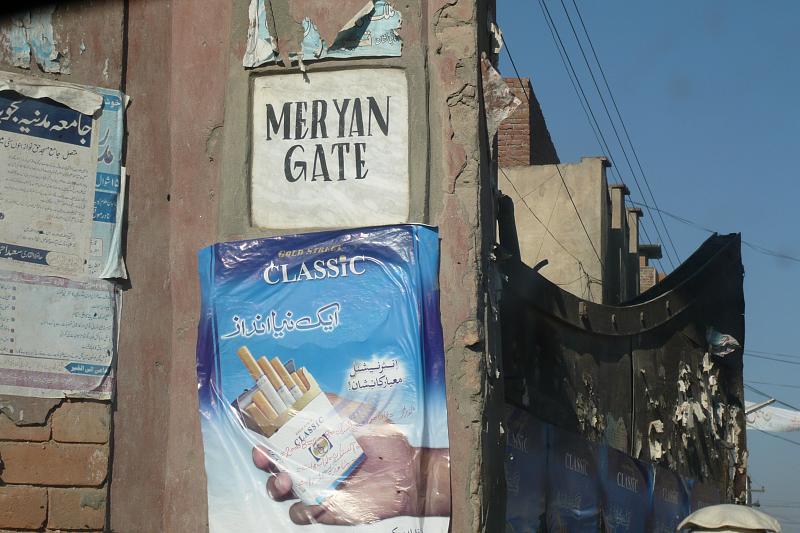
Bannu has been the scene of repeated security incidents in recent months, with both civilians and local security forces coming under attack, as Dawn reported when the military said it had killed 24 militants in the district in July after a suicide bombing at Miryan police station. That violence included a vehicle-borne attack on the police station and an ambush in Lower Dir, and it followed earlier counter-militancy operations in Bannu.
The wider Khyber Pakhtunkhwa picture is also unsettled. On 19 November, the military’s media wing said security forces had killed 22 militants in operations in the province, Geo News reported. That campaign is separate from the jirga attack, but it is the context in which local elders are meeting to discuss security and asking the administration for support. KhabarWire tracks the wider campaign in its counter-militancy operations hub.
The effect of attacks on local gatherings, intended or not, is to raise the cost of attending them. A peace jirga depends on people being willing to sit together in public and discuss how to keep their area safe. When a meeting is struck twice in one morning, the next jirga has to weigh that risk before it decides to convene.
The next signals are whether police identify a suspect or a group, whether the casualty count rises, and whether the Hathi Khel administration answers the elders before their deadline. Until then, the attack is a dated snapshot of a district where the business of local security has itself become a target.