Reporting snapshot · 14 October 2026 (Asia/Karachi). This account draws on the state-wire Associated Press of Pakistan release of 13 October reporting Adviser to the Prime Minister for Industries and Production Haroon Akhtar Khan's meeting with a European Union delegation in Islamabad, and on the Express Tribune's independent 14 October report. The Auto Policy and the Battery Energy Storage System (BESS) Policy remain unpublished.
What the adviser announced
Pakistan has set a target of lifting the share of electric vehicles (EVs) in new sales to 30 per cent by 2030, Adviser to the Prime Minister for Industries and Production Haroon Akhtar Khan said on 13 October, while directing the Engineering Development Board (EDB) to engage with a visiting European Union delegation on skills training and capacity building to support the transition, the state-wire Associated Press of Pakistan reported.
“Pakistan has set a target of increasing the share of electric vehicles to 30 percent by 2030. Achieving this transition requires more than introducing new vehicles; it demands a skilled workforce, technical expertise and the development of a supporting industrial ecosystem,” the adviser said during the meeting, per the APP release.
The Express Tribune’s 14 October account — bylined to APP’s correspondent — restated the target and said the figure sits inside the new Auto Policy, which the government says it expects to roll out “in the coming weeks”. The adviser separately told the paper that the policy would “place particular emphasis on electric vehicles and the development of the automotive sector”.
The adviser framed the meeting as part of Prime Minister Muhammad Shehbaz Sharif’s “vision for a modern, competitive and sustainable industrial economy” and argued Pakistan could not afford to miss the global shift to electric mobility the way it had missed earlier industrial transitions, the APP release added.
Why the adviser says skills come first
The adviser stressed that the 30 per cent target cannot be reached by importing cars alone. Several companies had already entered Pakistan’s electric-vehicle market, he said, creating “a growing need for trained technicians, engineers and other professionals equipped with modern EV-related skills”. Timely investment in skills development, he added, would prepare Pakistani youth for the emerging jobs and strengthen the country’s capacity to adopt and manufacture the vehicles locally, the APP release reported.
“Pakistan missed important opportunities during earlier phases of the global automobile revolution, but we will not afford to miss the electric vehicle revolution. Our objective is to build local capabilities, develop technical expertise and ensure that this transition creates jobs and industrial opportunities for Pakistan,” Haroon said, per APP.
The adviser directed the Engineering Development Board — the federal body that oversees the engineering and automotive sectors — to engage with the EU delegation and explore practical areas of cooperation. The adviser did not name the EU member states or the EU officials at the meeting, and the APP release did not disclose the level or the home institution of the EU representatives, according to APP.
The meeting was also attended by Secretary of Industries and Production Ihsan Ali Mangi, Prime Minister’s Coordinator Rana Ihsan Afzal, the EDB’s chief executive and senior ministry officials, the APP release added. Secretary Mangi said the ministry wanted to align skills-development work with the emerging needs of the auto industry and saw the EU partnership as a way to exchange technical knowledge and improve training standards. PM’s Coordinator Rana Ihsan Afzal said the shift to electric mobility was also a chance to develop a “skilled workforce” and to “encourage innovation”.
What the Auto Policy and the BESS Policy are expected to do
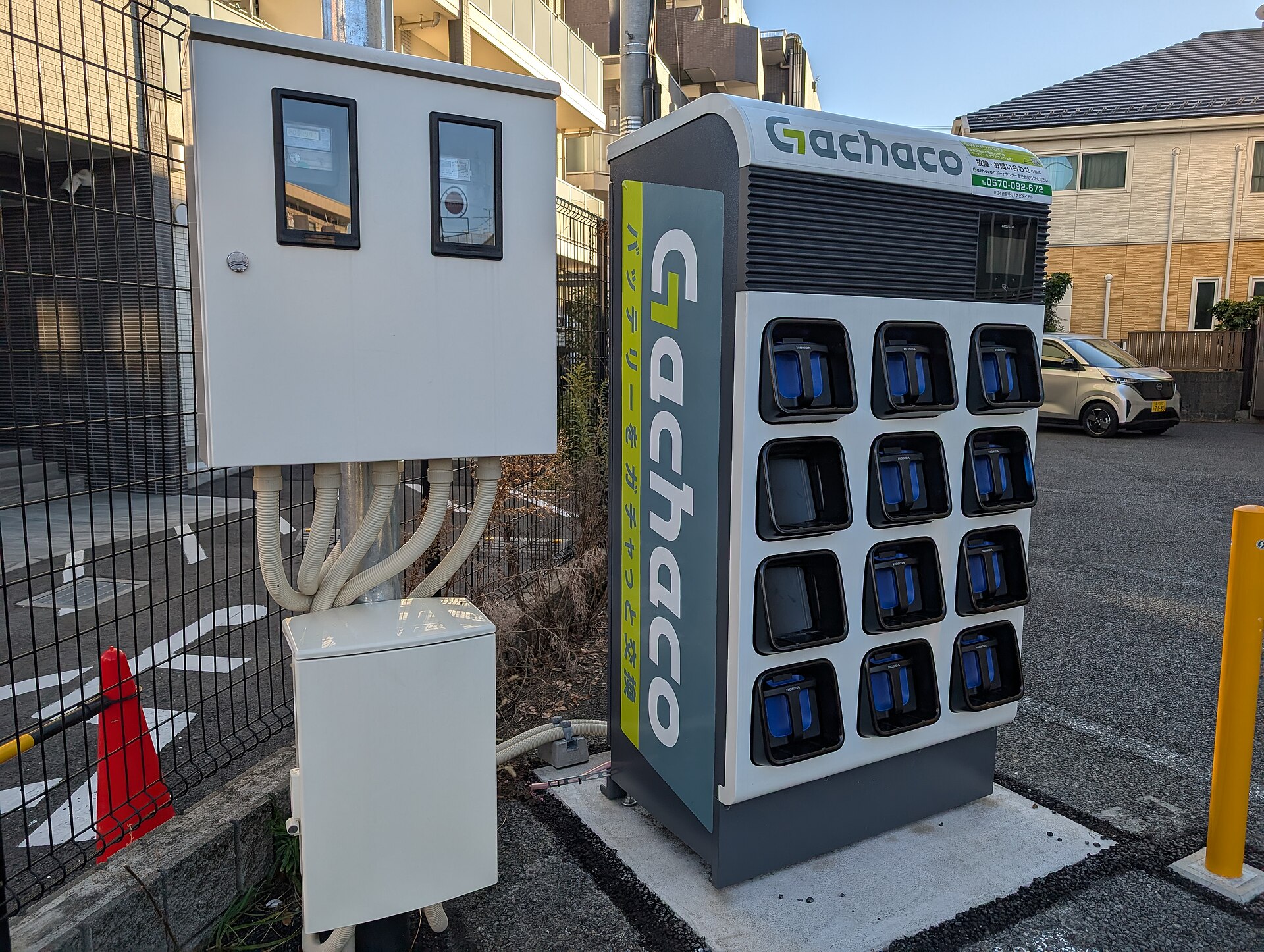
Haroon said separately that work was progressing on a Battery Energy Storage System (BESS) Policy alongside the Auto Policy, per APP. BESS systems store electricity — including from intermittent renewable sources — and feed it back into the grid when needed; a national BESS policy is the prerequisite for any large-scale rollout of EV charging infrastructure that draws on solar or wind power.
The adviser framed the EV transition in macro terms. He said it could contribute to reducing Pakistan’s oil import bill, improve energy sustainability and create opportunities for local value addition, the APP release adds. Pakistan’s oil import bill has been a recurring pressure point in IMF programme reviews; Aurangzeb, the finance minister, also referenced a 30 per cent EV target in his Bangkok remarks on 14 October, separately from the adviser’s meeting.
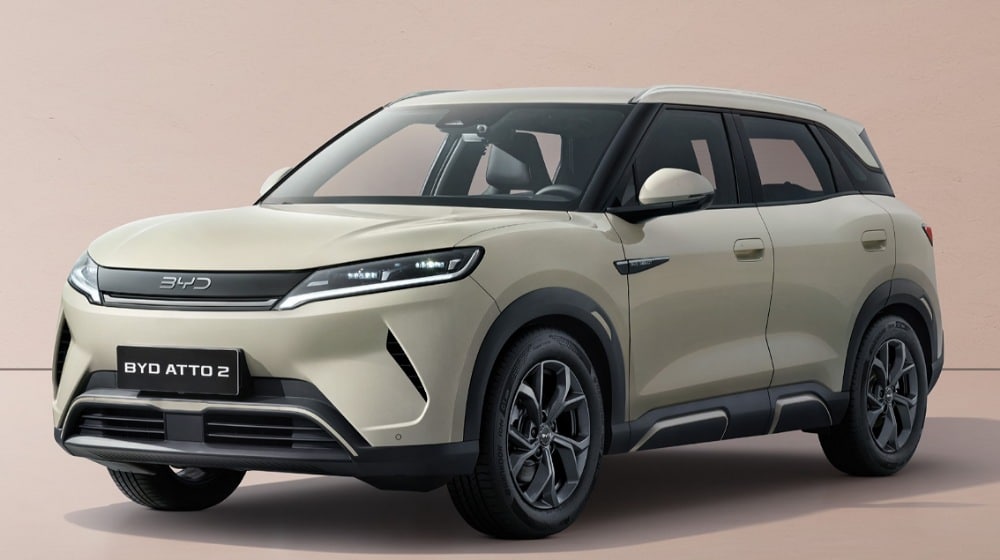
The Express Tribune’s account framed the announcement against a backdrop of existing EV activity in Pakistan, including local assembly of BYD models and the Punjab provincial government’s plan for 1,500 electric buses across 91 tehsils reported in September. The adviser’s framing in the meeting — that several companies had entered the EV market — is consistent with that activity but the Tribune piece does not enumerate those companies by name.
What remains uncertain
Several pieces of the policy are not yet on the public record. The Auto Policy itself has not been released; the Express Tribune’s 14 October story says it is expected in the coming weeks, but no publication date has been set. The BESS Policy is described by the adviser as “underway” but no draft has been published. The 30 per cent target itself is not paired in the public record with a baseline year, an annual glide path or a mechanism for tracking compliance.
The EU cooperation is also at the exploratory stage. The APP release describes the meeting as a discussion; it does not announce a programme, a budget or a signed arrangement. Whether the cooperation will translate into formal training programmes, faculty exchanges, certification schemes or equipment donations is not stated. The adviser’s framing — that Pakistan wants to draw on “European expertise and experience” — points to technical assistance, but the Express Tribune report does not add details.
Finally, the broader macroeconomic case the adviser made — lower oil imports, local value addition and skilled jobs — depends on the same global energy and trade backdrop that has shaped the rest of the government’s October announcements. The International Monetary Fund’s 13 October inflation forecast for Pakistan of 9.9 per cent in fiscal year 2026-27, as KhabarWire has reported, sits alongside the EV-target remarks in the same week. The interaction between the EV push, the fuel subsidy framework and the G-24 chair priorities will be clearer once the Auto Policy itself is published.
Sources & reporting notes
This is a synthesis of published material, not eyewitness reporting. Sources were reviewed on 14 October 2026 (Asia/Karachi).
- Associated Press of Pakistan — Pakistan, EU explore cooperation in electric vehicle skills development13 October 2026 · Primary state-wire release for the 30% EV target, the EU cooperation meeting and the BESS Policy, attributed to Adviser Haroon Akhtar Khan, Secretary Ihsan Ali Mangi and PM's Coordinator Rana Ihsan Afzal.
- The Express Tribune — Govt eyes 30% EV target for 203014 October 2026 · Independent Pakistani English daily account of the 30% EV target, the upcoming Auto Policy and the adviser's framing of the EV push as part of broader industrial policy.
- KhabarWire — Pakistan takes over as G-24 chair in Bangkok, vows Asian bond push and 30% EV target14 October 2026 · Internal archive of Finance Minister Aurangzeb's separate 14 October remarks in Bangkok referencing the same 30% EV target, used here as parallel macro framing.
- KhabarWire — Punjab plans 1,500 electric buses for 91 tehsils2026 September · Internal archive of the Punjab provincial EV bus programme referenced here as prior domestic EV activity under the same national 30% target.
- KhabarWire — IMF raises Pakistan's inflation forecast to 9.9 per cent in FY2713 October 2026 · Internal archive of the IMF's 13 October inflation forecast used here as backdrop to the EV-driven oil-import and fiscal framing.