Reporting snapshot · 19 November 2026 (Asia/Karachi). Shares had not begun trading when this article was published, so the first-day price and closing valuation are unknown. Anthropic's revenue, losses and commitments come from its own prospectus, the reported oversubscription figures differ between outlets, and the offering is due to close on 20 November.
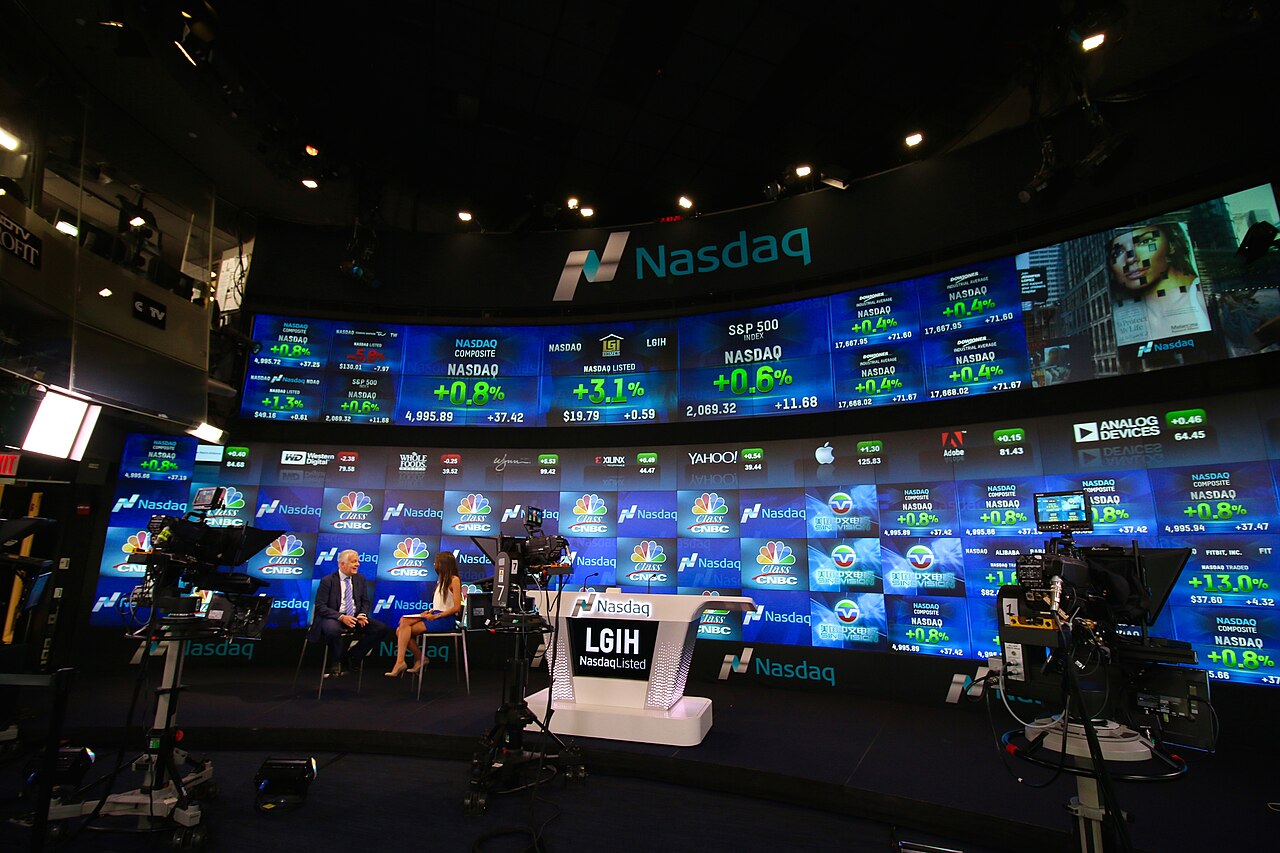
Anthropic priced its initial public offering at $83 a share on Wednesday, selling 980 million shares to raise $81.3 billion in the largest listing on record and valuing the five-year-old artificial-intelligence company at about $1.5 trillion. Its Class A stock is due to begin trading on the Nasdaq Global Select Market on Thursday under the symbol “ANT”, the company said.
The price came in above the $70-to-$78 range Anthropic had marketed, and the company sold more stock than the 825 million shares it had planned, Al Jazeera reported. At $83, the sale raises roughly $81.3 billion before fees, and a further $12.2 billion if underwriters take up the full 147 million shares they have an option to buy. The offering is expected to close on 20 November.
Anthropic itself is selling 956.4 million of the shares; the remaining 23.6 million are being sold by existing shareholders, and the company will not receive any of the proceeds from that portion. Goldman Sachs and Morgan Stanley are managing the sale.
What the $1.5 trillion price is buying
The valuation rests on extraordinary growth and equally extraordinary spending. Anthropic’s revenue reached $33.2 billion in the first nine months of 2026, including $17 billion in the third quarter, according to Al Jazeera’s reading of the prospectus. Over the same period the company reported a net loss of $104 billion, which it attributed largely to non-cash accounting adjustments, and disclosed nearly $901 billion in computing and infrastructure commitments.
Those commitments are the part of the balance sheet that will follow the company onto the public market. Anthropic makes most of its money selling businesses access to its Claude models, a business that requires enormous amounts of computing power. The prospectus effectively asks investors to accept that the spending precedes the profit.
The listing price is also about 55% above the valuation Anthropic fetched in May, when it raised $65 billion from private investors at $965 billion, Al Jazeera reported. In five years the company has gone from a $124 million first fundraising to the biggest share sale ever recorded.
It overtakes SpaceX, which raised $75 billion in June at a $1.75 trillion valuation and later lifted the total to $85.7 billion by selling extra shares. SpaceX’s shares initially soared to a $2.2 trillion valuation before falling in the weeks that followed, the BBC reported. South Korea’s SK Hynix raised $26.5 billion in July, and Saudi Aramco’s $25.6 billion sale in 2019 had held the record before SpaceX.
The BBC reported that Anthropic could raise $107 billion in total: more than $81 billion from the public sale and about $26 billion from separate investments by technology companies including Google, Microsoft and Nvidia. A further $12 billion could come from the underwriters’ option.
A test for the AI trade
Anthropic is the first purely AI-focused company to list in the United States, and its debut is being watched as a verdict on the investment boom that has poured money into data centres, chips and model development. OpenAI, its biggest rival, is expected to list next year, the BBC reported.
Demand for the shares was heavy, though the accounts of how heavy do not agree. Al Jazeera reported that investors sought six times the shares available; the BBC quoted an early investor, speaking anonymously, who said demand was ten times the supply. Both descriptions point the same way, to a sale that was heavily oversubscribed and priced up as a result.
The case for buying rests on Anthropic’s position among a handful of companies building the most capable models. Leah Bramwell of Canaccord Wealth told the BBC that interest had come “across the board” from institutional and individual investors, suggesting the sale was not simply a retail frenzy. Yang Wang of Counterpoint Research said the central question was whether the company could keep pace as hundreds of billions of dollars of obligations come due.
The case against is the one that has hung over the whole sector. Anthropic is loss-making, competition from cheaper models is intensifying, advanced chips are in short supply, and the Federal Reserve has flagged concern about AI-related debt raised through “complex and opaque” structures, the BBC reported, citing the minutes of its October meeting. Technology stocks have also weakened since the US midterms, with Democrats now controlling both chambers of Congress and expected to take a harder line on AI regulation.
What the first trade will not settle
A strong first day would give Anthropic capital and a public currency for acquisitions and employee pay, and it would give the wider AI industry a market-tested valuation to point to. It would not answer the question the prospectus leaves open: whether the company can turn its revenue growth into profit before its computing bills come due.
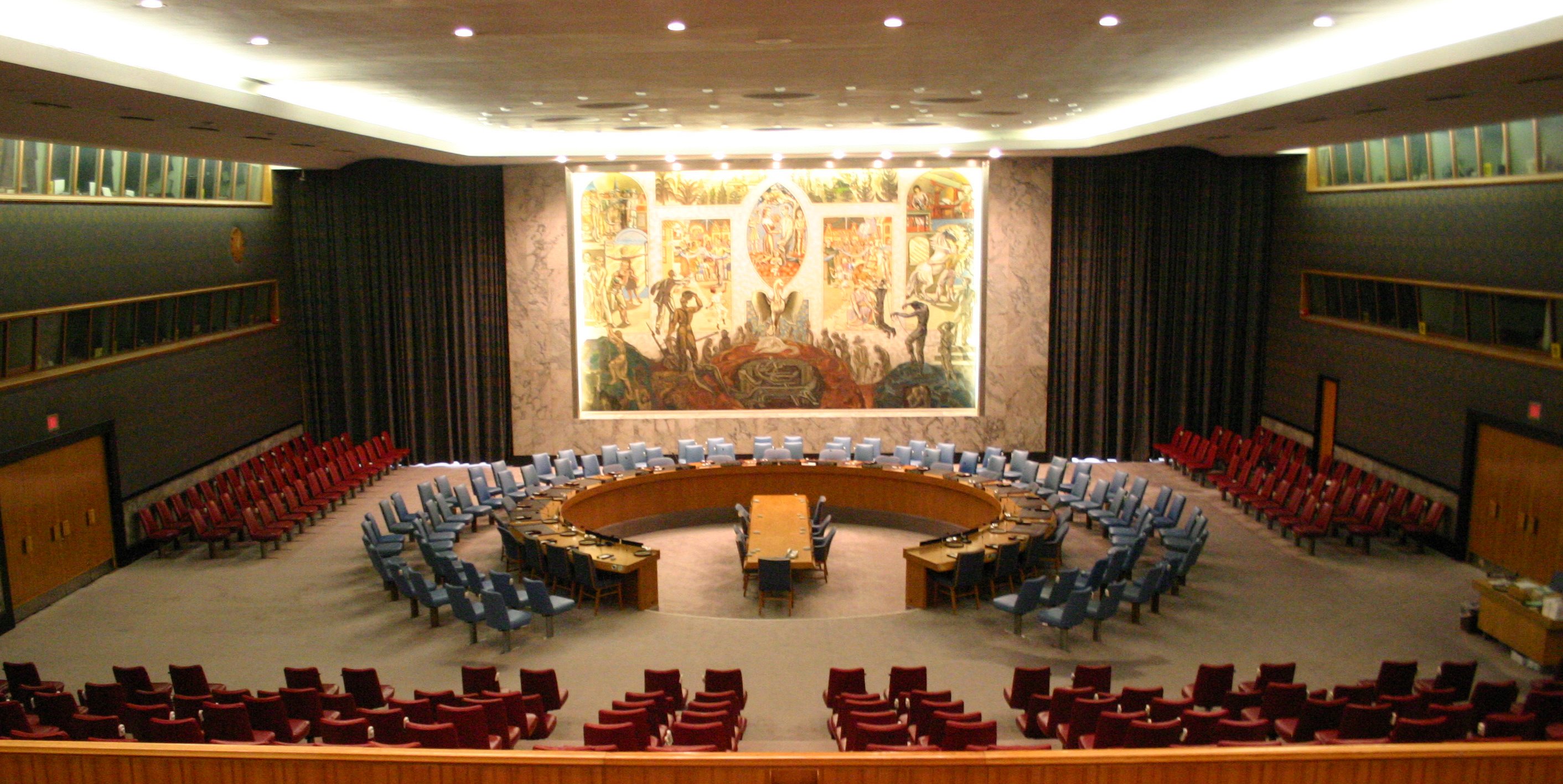
The listing also puts new pressure on the safety posture Anthropic has marketed. The company has called for a slower pace of development and stronger safeguards while forging ahead with rapid growth, the BBC reported, and its leaders made the case at the UN Security Council in September. Public shareholders now have a claim on the growth that those safeguards could slow. The company’s own warnings about AI risk, including its chief executive Dario Amodei’s view that the technology could threaten human existence, sit alongside a $1.5 trillion valuation built on deploying it faster.
For readers outside the United States, the immediate effect is indirect but real. A public Anthropic sets a benchmark for what investors will pay for AI capacity, and that benchmark feeds into the cost of the chips, cloud computing and software that developers and businesses everywhere, including Pakistan’s technology exporters, rely on.
Several things remain unknown. The first trade may price above or below $83, and the shares could move sharply in the days after listing; early investors are typically barred from selling for several months, so the market will not yet show what they do with their holdings. The underwriters’ option may or may not be exercised in full. And the $104 billion loss includes accounting charges that do not reflect cash leaving the business, which makes comparisons with ordinary companies difficult.
What is already clear is the scale of the bet. A company that was worth $965 billion in private markets six months ago is now asking public investors to value it at about $1.5 trillion, on the strength of a business that is growing quickly and losing money quickly. Thursday’s trading will give the first independent answer to whether they agree.