What happened
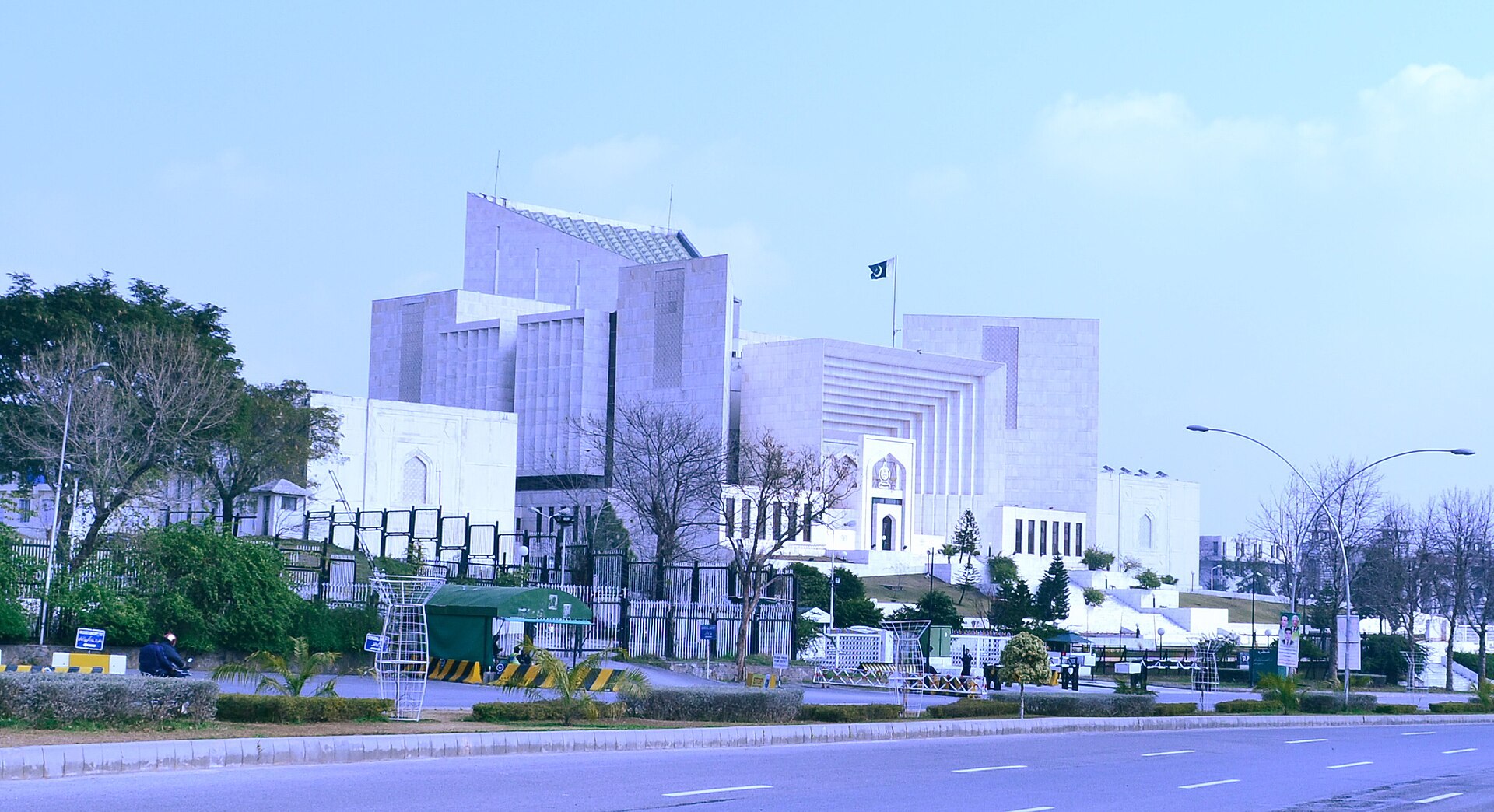
The Supreme Court has upheld a Sindh High Court order directing Pakistan Bait-ul-Mal (PBM), the federal welfare body, to give monthly financial support to two minor Hindu sisters, The Express Tribune reported on 8 September 2026. A three-judge bench headed by Chief Justice Yahya Afridi decided the appeal brought by PBM, and the chief justice wrote the 13-page judgment.
The Sindh High Court had ordered PBM to register the girls as regular beneficiaries at Rs10,000 per month each, rising by 10 per cent a year until they marry. The Supreme Court left that direction in place.
How the case reached the Supreme Court
According to the Tribune, the girls’ mother, Reeta, married Ravi Kumar in 2012 and the couple had two daughters. Mr Kumar died in May 2017. The mother then sought maintenance for the girls from their paternal grandfather, Ram Raj, in the family court in Jacobabad.
The family court ordered the grandfather to pay Rs3,000 per month for each child, with a 10 per cent annual increase, and the order was upheld on appeal. Mr Raj challenged it in the Sindh High Court, which found that he had no legal obligation to maintain his granddaughters. Instead of leaving the children without support, the high court turned to PBM and directed it to enrol them. PBM then challenged that direction before the Supreme Court.
Guidelines for future cases
The judgment also set out guidance for similar disputes, the Tribune reported. Courts may refer deserving cases to PBM where the facts suggest that welfare assistance is warranted. PBM, in turn, should decide the amount, form and duration of any aid under its own statute, policies, eligibility criteria and available resources.
That distinction matters because the ruling does not make court-ordered payments automatic. It confirms that a court can point a family towards the state welfare body, while leaving PBM with discretion over how it assists within its legal framework.
The court has recently handled other cases with a welfare dimension, among them its ruling that acid attacks are worse than homicide, and it has been working through a heavy docket, with 122 cases disposed of in one week in April.
What remains unclear
The Tribune report did not say whether PBM has begun payments under the high court order or whether it will seek a review. The full judgment may clarify how the Rs10,000 figure was set and how the guidelines will be applied by lower courts.