What happened
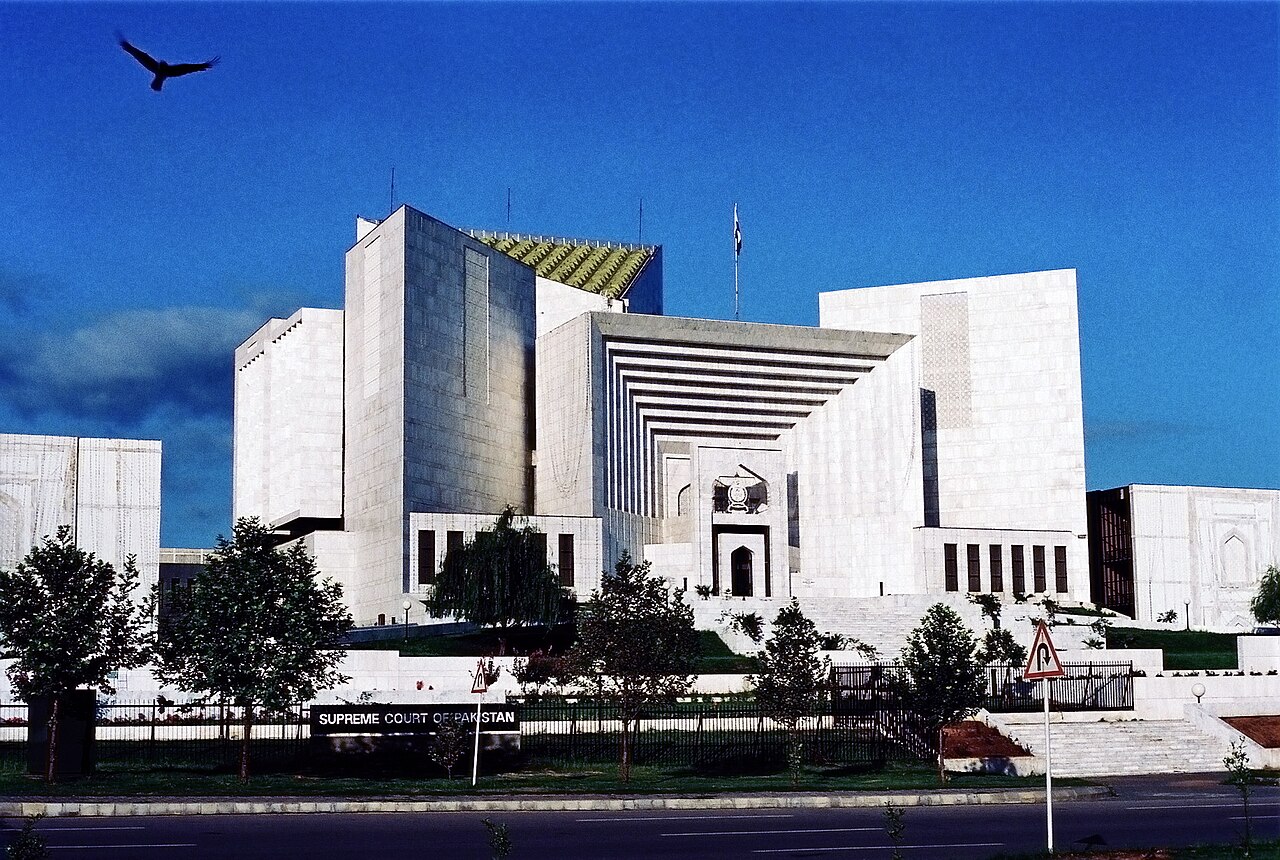
The Supreme Court of Pakistan declared acid attacks a graver crime than homicide in a landmark ruling on Monday, calling on the federal and provincial governments to establish a national rehabilitation fund for survivors, restrict the sale of corrosive substances and extend disability protections to victims.
The judgment, authored by Justice Muhammad Hashim Khan Kakar and delivered by a three-judge bench, upheld the life imprisonment sentence of Abdul Manan, who was convicted of dousing a young woman with sulphuric acid at her home in Faisalabad in 2019, leaving her bedridden and disfigured. Manan had appealed against a November 2022 ruling by the Lahore High Court, which had upheld the Anti-Terrorism Court verdict sentencing him to life imprisonment and a fine of one million rupees.
“Unlike death, which consumes its victim only once, the victim of an acid assault is relegated to a living death, where they are compelled to endure the agony of their trauma and the degradation of their physical self on a daily basis,” Justice Kakar wrote in the 14-page judgment.
The ruling came days after a separate acid attack on a 29-year-old doctor, Mahnoor Nasir, at a civil hospital in Quetta, an assault that triggered a strike by doctors demanding a thorough investigation.
Why it matters
The court characterised acid violence as an instrument of gender-based subjugation, linking its use historically to the rejection of marriage proposals, rebuffed sexual advances and dowry disputes. It said the perpetrator’s objective was not merely to kill but to extinguish the victim’s soul, and cited survivors who had undergone dozens of reconstructive surgeries following attacks rooted in marital rejection and family disputes.
Among its recommendations, the court called for a statutory National Acid Survivors’ Rehabilitation Fund to provide medical coverage for reconstructive surgeries, physical therapy, trauma counselling, psychotherapy and psychiatric care, as well as a mandatory monthly stipend for survivors left unable to support themselves. It recommended that survivors be accommodated under existing government disability quotas and that national rehabilitation guidelines guarantee free, lifelong medical and mental-health treatment.
Justice Kakar argued that deterrence required both rigorous criminalisation and control over access to corrosive substances, saying that as long as they remained easily available the deterrent effect of penal consequences would be perpetually undermined. The judgment praised the Punjab Acid Control Act of 2025 for its licensing regime and its ban on selling acid to anyone under 18, and recommended a complete ban on sales to private individuals, with any legitimate commercial transaction handled through a centralised digital system requiring electronic applications, a photograph and a biometric thumb impression.
The judgment was forwarded to all high courts and relevant federal and provincial government departments, and the court urged high courts to monitor acid attack cases and ensure that statutory timelines for completing trials were observed.
Sources & reporting notes
This is a summary of published reporting, not independent reporting. Details are as carried by the cited source, which was reviewed on 2026-06-08.
- Independent Pakistan — "Pakistan's top court rules acid attacks more heinous than homicide, calls for sweeping reforms"8 June 2026 · The ruling and its bench, the upheld Faisalabad sentence, the judgment's quotations and its recommendations on a survivors' fund, disability quotas and controls on corrosive substances.