What happened
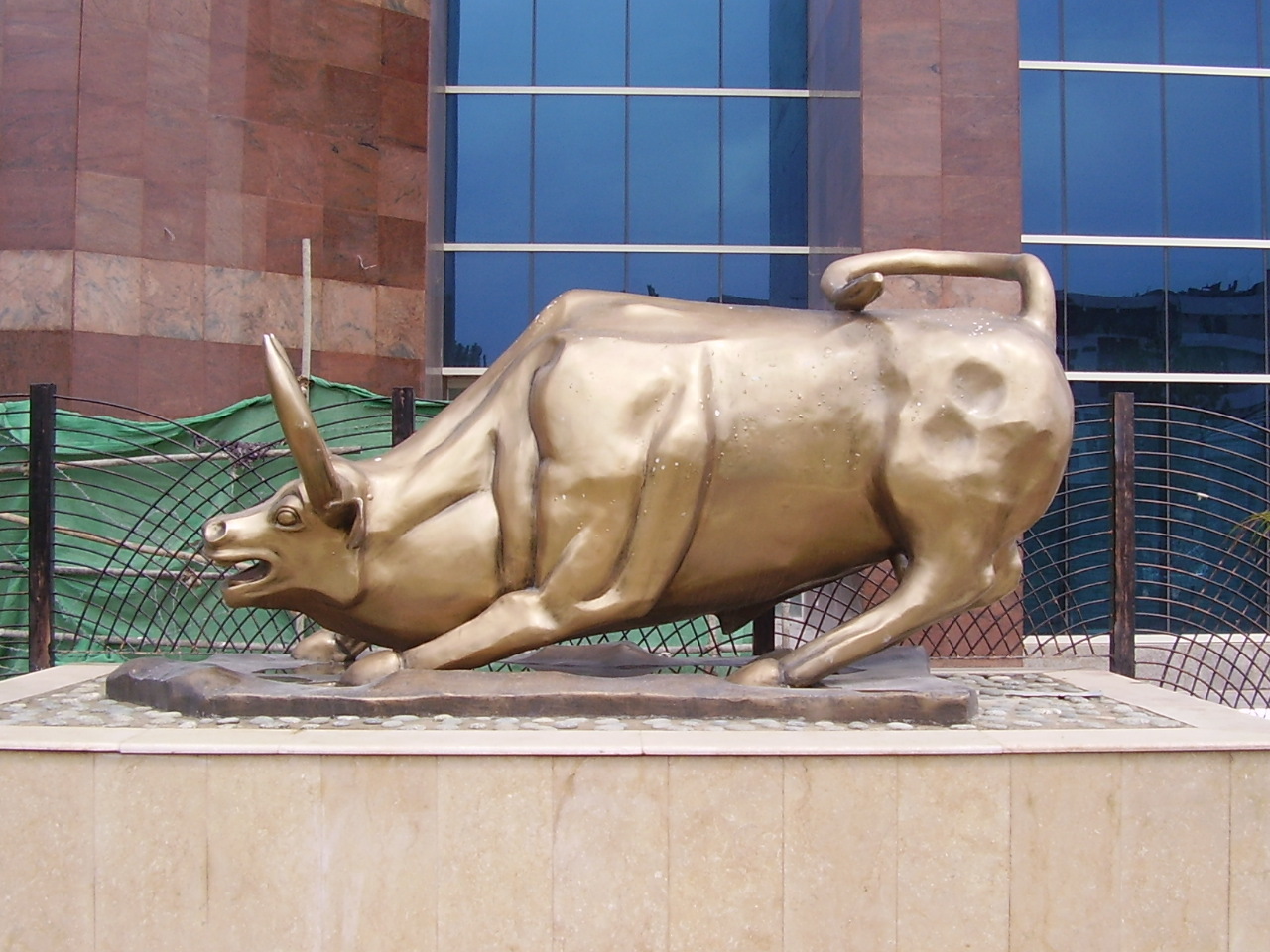
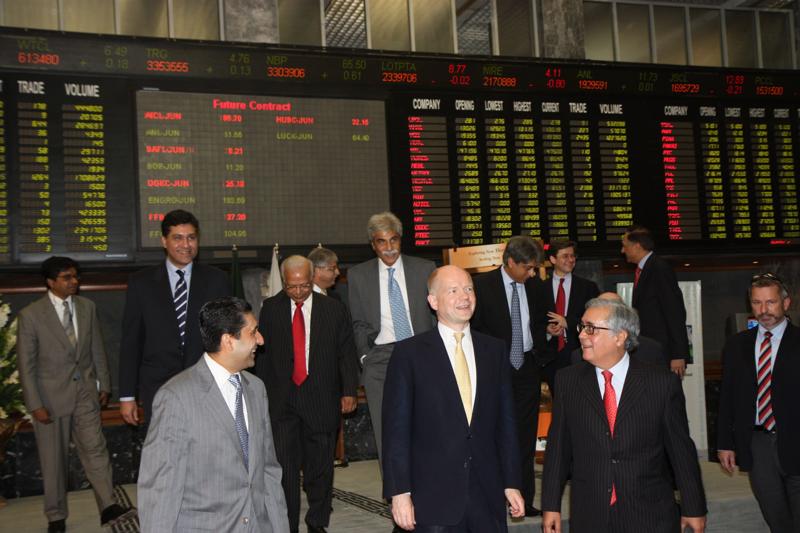
Pakistan’s benchmark KSE-100 index closed 830.92 points, or 0.49 per cent, lower at 168,062.16 on Friday 27 February 2026, as investors sold equities after Pakistan launched retaliatory strikes on Afghanistan and the defence minister described the situation as “open war”.
According to Dawn, the index swung between an intraday high of 169,379.97 and a low of 165,811.87, dropping more than 1,000 points in the morning session before recovering by midday and ending the day in the red. The fall followed a gain of 4,266.79 points in the previous session.
Brokerage house Topline Securities attributed the early sell-off to regional tension with Afghanistan, where Pakistan targeted key military installations of the Taliban regime in Kabul and Kandahar, Arab News reported. Losses were led by United Bank Limited, Fauji Fertilizer Company, Oil and Gas Development Company, Pakistan Petroleum Limited and MCB Bank Limited, which together shaved 658 points off the index, with selling also seen in automobile assemblers, cement, fertiliser and oil and gas stocks. Traders said the absence of an immediate retaliatory strike from Kabul helped the index recover part of its losses later in the session.
Total ready-market volume was recorded at about 536 million shares with a traded value of roughly Rs25.5 billion, and market capitalisation eased to about Rs18.93 trillion from Rs19.02 trillion a day earlier. The KSE-100 has fallen about 3.4 per cent so far this calendar year.
Why it matters
The session showed how quickly the border escalation with Afghanistan has fed into Pakistan’s financial markets. After a strong recovery on Thursday, the renewed hostilities pushed investors into a defensive posture before the weekend, with profit-taking concentrated in banking, energy and industrial heavyweights.
The episode comes against a fragile macroeconomic backdrop. Analysts cited by Arab News said the market stabilised after Kabul did not immediately retaliate, but warned that a prolonged conflict could deepen uncertainty over trade flows, fiscal pressures and external financing at a time when Pakistan is already navigating a difficult recovery.
What is still uncertain
Whether the market holds its recovery depends on whether the fighting continues and whether the two sides return to talks. Casualty claims from both sides remained unverified, and it was not clear how far the conflict would affect investor confidence over the coming sessions or how much of the day’s intraday decline could be reversed.
Sources & reporting notes
This is a synthesis of published material, not eyewitness reporting. Sources were reviewed on 27 February 2026.
- Dawn — "Bears take charge as KSE-100 closes over 800 points lower"Published 27 Feb 2026 · The 830.92-point fall to 168,062.16, the intraday high and low, the morning decline, the previous session's 4,266.79-point gain, volumes and value, market capitalisation, and the link to Operation Ghazab lil-Haq.
- Arab News Pakistan — "Pakistan stocks fall amid Afghanistan tensions, recover from intraday lows"Published 27 Feb 2026 · The intraday drop of up to 3,081 points, Topline Securities' attribution to regional tension, the five heavyweight stocks that shaved 658 points, and the recovery after no retaliation was reported.