What happened
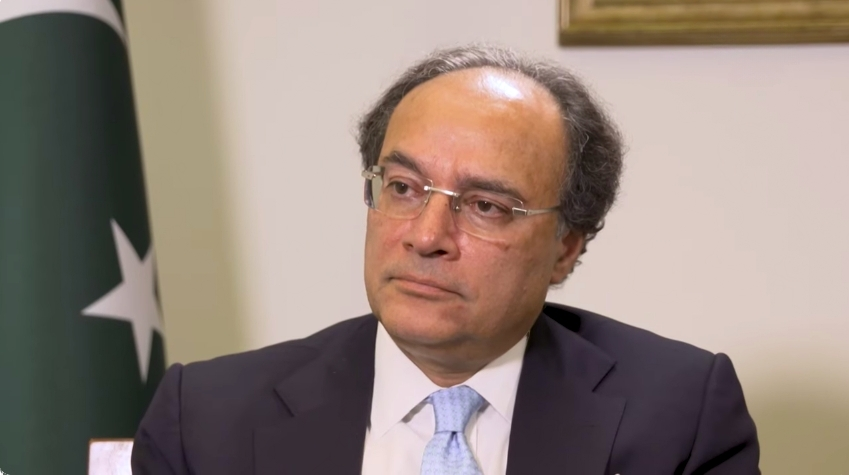
Finance Minister Muhammad Aurangzeb presented the federal budget for fiscal year 2026-27 in the National Assembly on Friday, 12 June 2026, unveiling a total outlay of Rs18.771 trillion and a package of tax relief for salaried workers, businesses, exporters, the construction sector, information technology and women’s health products.
The budget, the ruling coalition’s third in 27 months, was presented amid economic strain from the US-Iran conflict and wider Middle East tensions. Aurangzeb said Pakistan had recorded GDP growth of 3.7 per cent in the outgoing fiscal year, with large-scale manufacturing growing 6.1 per cent and services 4.1 per cent, the highest in four years.
He said the economy had expanded to $452 billion and per-capita income had risen to $1,901 from $1,751, while the policy rate had been cut from 22 per cent to 11.5 per cent and foreign exchange reserves had reached $17 billion, enough to cover about three months of imports. Workers’ remittances reached $38 billion in the first 11 months of the fiscal year and were expected to rise to $41 billion by year-end, he said. The tax-to-GDP ratio improved from 8.5 per cent to 10.3 per cent, and inflation averaged 4.5 per cent against 23.4 per cent a year earlier, though he warned Middle East tensions could push it close to seven per cent.
For the next fiscal year, the government projected GDP growth of four per cent, average inflation of 8.2 per cent, a budget deficit of 3.6 per cent of GDP and a primary surplus of two per cent. Markup payments would absorb Rs8,054 billion of the Rs18,771 billion outlay, with gross federal revenue estimated at Rs20,600 billion, FBR collection at Rs15,264 billion, the provinces’ share at Rs8,848 billion and non-tax revenue at Rs5,336 billion.
The tax measures included:
- Salaried class. The rate for those earning Rs2.2 million to Rs3.2 million a year would fall from 23 per cent to 20 per cent; for Rs3.2 million to Rs4.1 million from 30 per cent to 25 per cent; for Rs4.1 million to Rs5.6 million from 35 per cent to 29 per cent; and for Rs5.6 million to Rs7 million from 35 per cent to 32 per cent. The surcharge on the salaried class would be abolished.
- Business. The one per cent super tax on income of Rs150 million to Rs500 million would be abolished, and the super tax above Rs500 million cut from 10 per cent to 8 per cent. The super tax on exporters would also go, while surcharges on banks, oil and gas companies and fertiliser firms would remain.
- Construction. Withholding tax on property purchases by filers would fall from 2.5 per cent to 1.5 per cent, and tax on property sales from 5.5 per cent to 2.75 per cent.
- Information technology. The 0.25 per cent concessional Final Tax Regime would be extended for three years to 30 June 2029. Aurangzeb said IT and IT-enabled services exports had reached $3.8 billion and were expected to approach $4.5 billion by year-end.
- Exports and digital payments. Advance income tax on exports would be cut from 2 per cent to 1.25 per cent, and withholding tax on credit and debit card transactions from 5 per cent to 0.5 per cent.
- Other relief. Capital Value Tax on foreign assets and certain overseas transactions would be abolished, and taxes on sanitary pads and contraceptives removed. Shopkeepers and retailers with annual income up to Rs200 million would come under a fixed tax scheme under Section 99B of the Income Tax Ordinance.
Aurangzeb also said imported SUVs with engines of 2,000cc to 3,000cc would attract 62 per cent Federal Excise Duty and those above 3,000cc 66 per cent. Under the “Zarkhez” programme, more than 750,000 small farmers would receive Rs300 billion in loans through a fully digital process, he said. A National Faceless Centre, an algorithmic assessment mechanism and a central data hub would automate audits, assessments and taxpayer services.
Why it matters
The budget is the coalition’s attempt to turn two years of stabilisation into investment-led growth while easing cost-of-living pressure and widening the tax net through digitalisation. It follows months of political wrangling that had delayed the budget, which was earlier pushed back amid coalition consultations. Debt servicing of Rs8,054 billion still absorbs a large share of total spending, leaving limited room for development, and much of the relief comes as tax-rate cuts rather than direct cash support.
What is still uncertain
The announced measures are proposals that must pass through the Finance Bill, and rates could change before approval. The government has not fully quantified the revenue cost of the relief, and its growth and inflation assumptions depend heavily on whether Middle East tensions ease. The effect on the deficit will only become clear once the final legislation is passed.
Sources & reporting notes
This is a summary of published reporting, not independent reporting. Details are as carried by the cited sources, which were reviewed on 2026-06-12. Budget figures are proposals at the time of presentation and may change during the Finance Bill process.
- Associated Press of Pakistan — "From stabilization to expansion: Rs18.771 trillion budget unveiled to spur growth"12 June 2026 · The outlay, macroeconomic indicators and programme details.
- Associated Press of Pakistan — "Govt announces major tax relief for salaried class, businesses, exporters"12 June 2026 · The tax relief measures, slabs and withholding tax changes.