Reporting snapshot · 24 September 2026. Prime Minister Shehbaz Sharif met International Monetary Fund (IMF) Managing Director Kristalina Georgieva on the sidelines of the 81st session of the United Nations General Assembly (UNGA) in New York. The prime minister told The Express Tribune that the Fund raised no serious concerns over Pakistan's targeted subsidy of Rs100 per litre on petrol, and Georgieva publicly praised Pakistan's reform implementation on the social platform X. This account is a synthesis of reporting by The Express Tribune, The News International, Geo News and Radio Pakistan; the IMF has not issued a formal statement on the fuel subsidy.
What happened
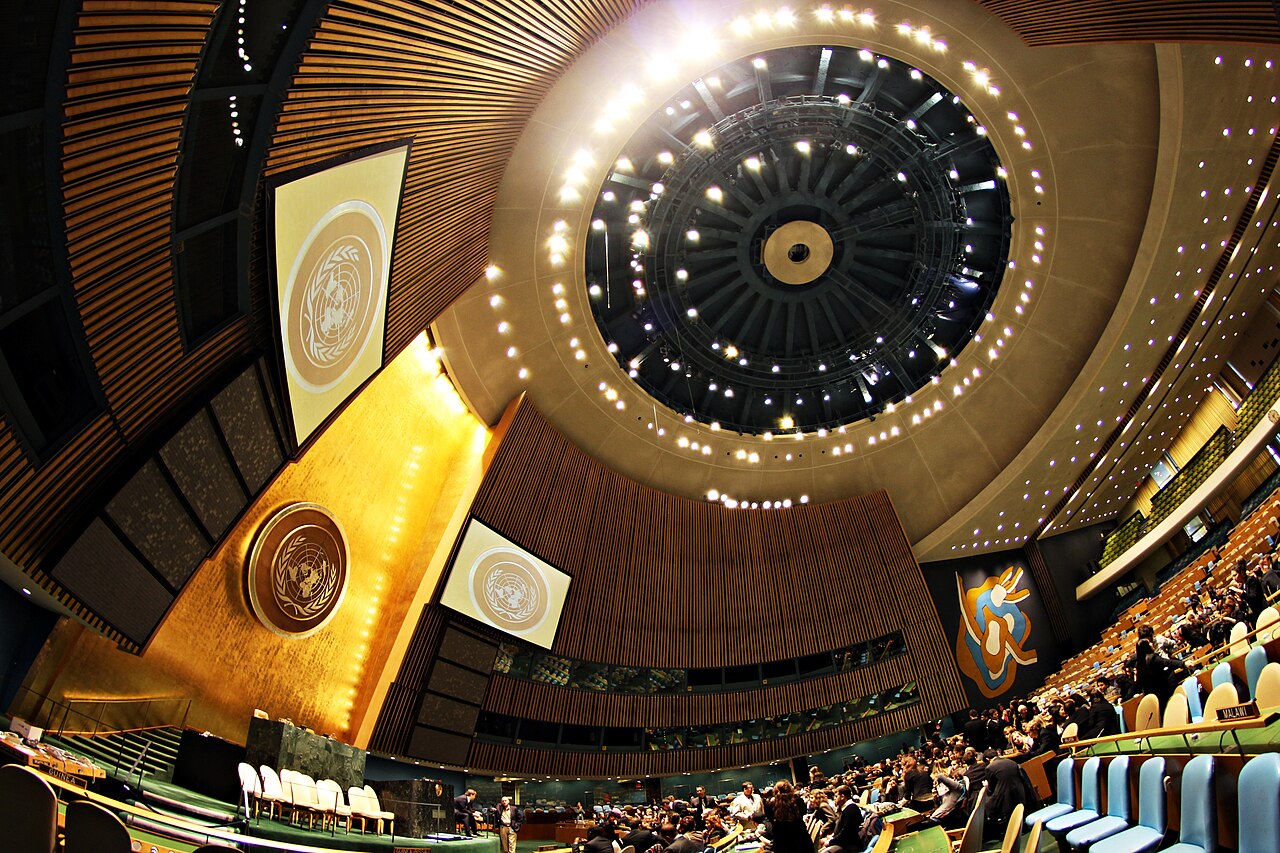
Prime Minister Shehbaz Sharif said on Wednesday that the International Monetary Fund had not expressed any serious concerns over Pakistan’s targeted subsidy of Rs100 per litre on petrol, after he met IMF Managing Director Kristalina Georgieva on the sidelines of the 81st session of the United Nations General Assembly in New York, The Express Tribune reported.
Speaking to the newspaper after the meeting, the prime minister said he had briefed the IMF chief in detail on the pressure Pakistan faces and the difficulties confronting low-income people. “We drew the IMF chief’s attention to the question of where the poor man would go,” he said, adding that the targeted subsidy was being distributed through a comprehensive and transparent mechanism.
Earlier this month, the prime minister announced a special relief scheme offering Rs100 per litre off petrol for motorcycles, three-wheeler rickshaws, and cars with engines up to 800cc, in an attempt to shield lower-income consumers from the impact of rising petroleum prices. Under the scheme, two- and three-wheeler users receive the relief on a monthly quota of 20 litres, while owners of cars up to 800cc qualify for the same discount on 30 litres a month.
What the IMF chief said
After the meeting, Georgieva posted on X that she had met the prime minister on the margins of UNGA to discuss Pakistan’s reforms. “Strong implementation has helped preserve stability, restore confidence & regain market access,” she wrote, adding that continued reforms would help lift growth and improve people’s lives. The post was reported by The News International and Geo News, both of which also noted the prime minister’s own social-media post reaffirming the government’s “strong ownership” of the reform agenda and its “resolve to stay the course.”
According to a statement issued by the Prime Minister’s Office, the prime minister appreciated the IMF’s continued support for Pakistan’s economy and reaffirmed his government’s “unwavering commitment” to the successful implementation of the IMF-supported reform programme, Radio Pakistan reported. He said Pakistan was successfully transitioning from macroeconomic stabilisation towards a recovery path despite regional conflict and external inflationary pressures, citing improvements in fiscal discipline, external buffers and investor confidence, and pointing to the National Tariff Regime, enhanced domestic revenue mobilisation and progress on privatisation as examples of the government’s efforts.
The IMF managing director appreciated Pakistan’s performance under the programme and the government’s efforts for economic stabilisation, saying these were yielding tangible results, according to the same official account. The two leaders also discussed Pakistan’s forthcoming IMF programme review and continued cooperation between Pakistan and the Fund.
Deputy Prime Minister and Foreign Minister Ishaq Dar, Finance Minister Muhammad Aurangzeb, Adviser on Privatisation Muhammad Ali, Special Assistant to the Prime Minister Tariq Fatemi and other senior officials attended the meeting.
Why the meeting matters
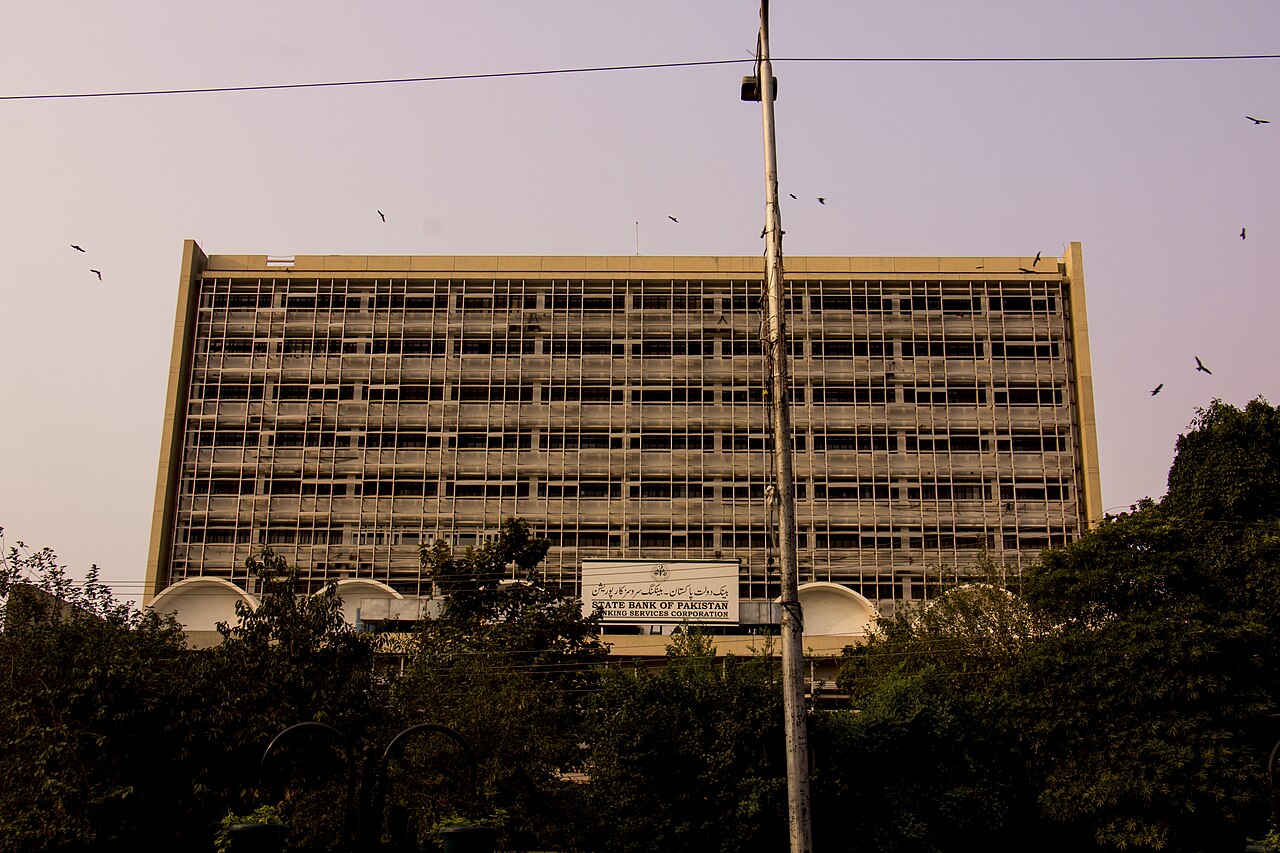
The meeting comes as an IMF staff mission is in Pakistan for the fourth review under the country’s $7 billion Extended Fund Facility (EFF), which began with technical discussions at the State Bank of Pakistan in Karachi this week and is expected to move to Islamabad on 28 September for talks with the Ministry of Finance. The Fund’s fourth review is being conducted alongside the third review under the $1.4 billion Resilience and Sustainability Facility and an Article IV consultation, and its successful completion would make Pakistan eligible for a further disbursement of about $1 billion, plus roughly $200 million in climate-support financing.
The targeted fuel subsidy has been a point of public friction between the government and its critics. The Jamaat-e-Islami has organised weeks of protests over the petroleum levy and has accused the government of keeping levies high even as it distributes relief, while the Finance Ministry issued a detailed rebuttal this week to reports that the petroleum levy had become a “central point” of the programme, arguing that the fiscal strategy was substantially broader. The prime minister’s account of the UNGA meeting — that the IMF raised no serious concerns over the Rs100-per-litre relief, delivered through what the government describes as a transparent mechanism — is therefore a direct attempt to answer a recurring question about whether the subsidy conflicts with the programme.
The timing is also notable: the prime minister and the finance minister were in New York for the UNGA session in the same week that the IMF mission was starting its review talks in Pakistan. KhabarWire’s earlier coverage set out the review’s energy-reform agenda, and the government’s fuel-relief scheme was widened on 19 September to remove the five-litre minimum, add a weekly Rs500 token and extend eligibility to 20-year-old vehicles.
What is still uncertain
The prime minister’s remarks are his own characterisation of the Fund’s position, and the IMF has not issued a formal statement on the fuel subsidy. Georgieva’s public post praised reform implementation but did not mention the subsidy directly, so the account of the Fund’s private reaction rests on the prime minister’s description to The Express Tribune and the Prime Minister’s Office statement.
It also remains unclear how the subsidy will be treated during the fourth review talks that begin in Islamabad next week. The Finance Ministry has defended the scheme as a targeted, temporary and fiscally sustainable intervention, but the government has not published the programme’s full monthly cost, and the Jamaat-e-Islami has argued that the relief is small relative to the levies collected on fuel. Whether the two sides reach a staff-level agreement, and whether the disbursement figures reported by different outlets — about $1 billion under the EFF and $200-210 million under the RSF — hold in the final review, will only be confirmed once the talks conclude and the IMF’s Executive Board approves the outcome.
Sources & reporting notes
This is a synthesis of published material, not eyewitness reporting. Sources were reviewed on 24 September 2026. The account of the meeting, the prime minister's remarks on the subsidy and Georgieva's social-media post rest on The Express Tribune, The News International and Geo News; the official account is drawn from Radio Pakistan's report of the Prime Minister's Office statement.
- The Express Tribune — PM says IMF raises no serious concerns over Rs100 subsidy after meeting Georgieva at UNGA24 September 2026 · Primary report of the meeting, the prime minister's account of the subsidy discussion, Georgieva's X post and the Prime Minister's Office statement.
- The News International — IMF chief backs Pakistan's reform drive in talks with PM Shehbaz at UNGA24 September 2026 · Independent confirmation of the meeting, Georgieva's praise for reform implementation and the agenda, including the forthcoming IMF review.
- Geo News — IMF chief hails Pakistan's reform efforts as Shehbaz vows to stay the course24 September 2026 · Independent confirmation of the meeting, the IMF chief's remarks and the prime minister's social-media post.
- Radio Pakistan — PM praises IMF's continued support for Pakistan's economy24 September 2026 · Official record of the Prime Minister's Office statement on the meeting and its attendees.
.jpg)