What happened
The government has finalised a mobile application-based quota system for fuel for two- and three-wheelers, which may possibly include vehicles up to 800cc, to ensure a targeted subsidy for low-income households and to curb oil consumption through pricing signals, Dawn reported on 25 March 2026.
The details of the quota-based supply system were tested and finalised by the Oil and Gas Regulatory Authority (Ogra) and the ministries of finance, petroleum and information technology, a senior government official told Dawn. The government will now take a final decision on whether the scheme should extend to small cars or remain restricted to two- and three-wheelers.
Under the plan, a “quota-based fuel supply system” would run through a mobile application and be end-to-end automated. A free, pre-installed app will be provided to retail operators, while consumers will use a separate application. The government will mandate a minimum of two mobile phones per retail outlet.
Why it matters
The official said the Ministry of Information Technology has been coordinating with cellular phone manufacturers to provide specialised phones at an initial estimated cost of Rs36,000 per unit, with retail pricing around Rs72,000. Petrol stations have been required to deposit funds into a designated government account to ensure immediate delivery of the devices, with the account number to be communicated by Ogra.
Vehicle-based quotas will be linked to the user’s app through a registration number and the Computerised National Identity Card (CNIC), although quota limits will be decided by the cabinet committee concerned. A user will generate a digital voucher, and retailers will scan or enter it so the system auto-validates the available quota — for example, dispensing only 15 litres if a user requests 20 against a 15-litre quota. The official said the mechanism was similar to the previously used Ramazan Package model.
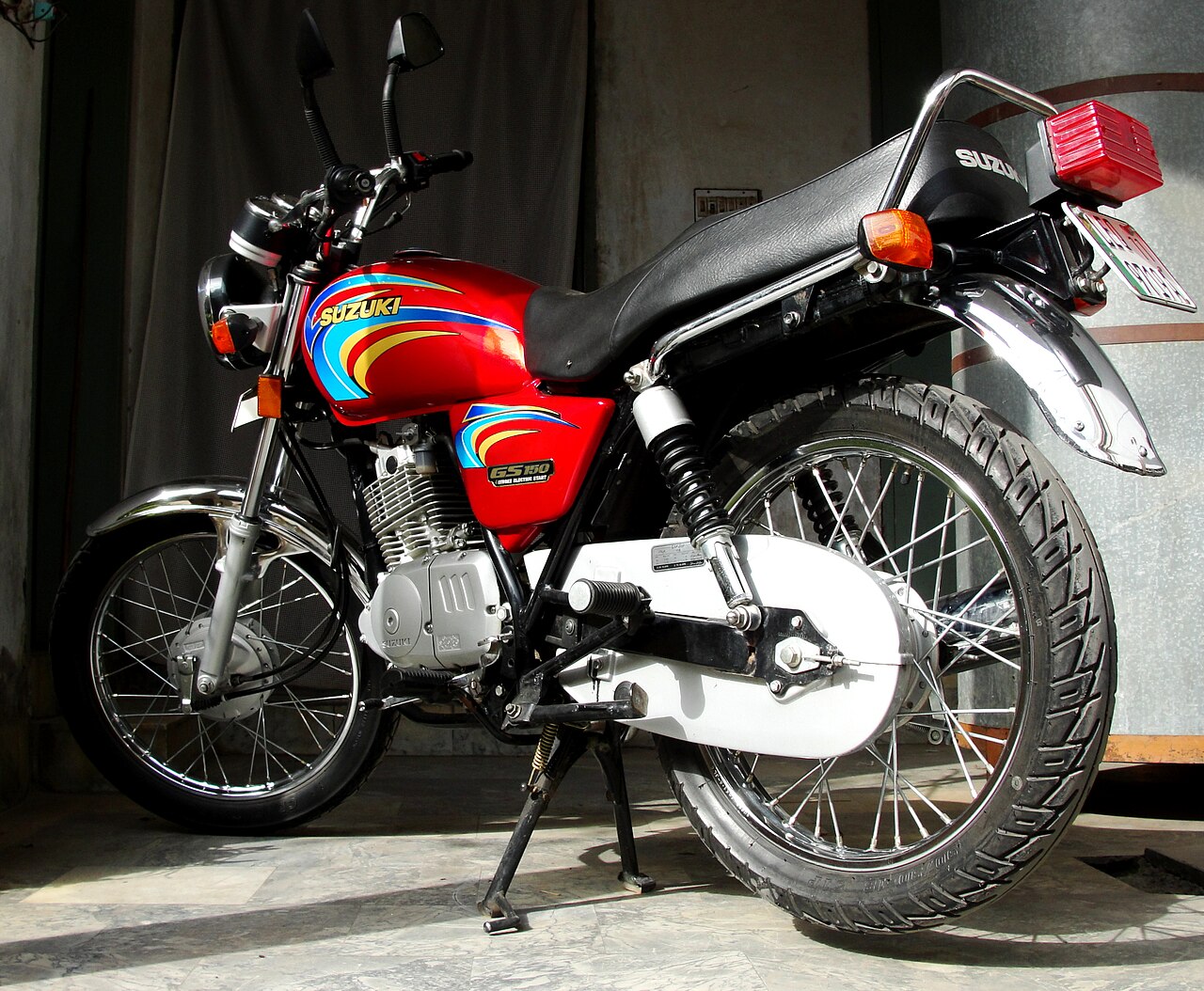
Subsidies will be provided for two- and three-wheelers, and retailers and petrol stations will have to dedicate specific dispensers or nozzles for these vehicles. All oil marketing companies will be required to appoint focal persons for each retail site and provide their contact details to Ogra for round-the-clock monitoring. The IT ministry will provide demonstrations and video tutorials, and an emergency dispensation process will be available.
The official said the government was facing critical conditions in fuel supply chains. Demand has not declined despite challenging conditions and heavy foreign exchange requirements, while the additional fiscal burden was being met through cuts in the development programme and special emergency allocations. For two weeks of unchanged petrol and diesel rates, the cost has been estimated at Rs70 billion.
What is still uncertain
The critical decision on whether subsidies will also be extended to four-wheelers, or eliminated, is still pending. The ongoing Middle East war and the resulting shipping paralysis in the Strait of Hormuz have sent global oil prices haywire, and influential quarters within the government argue that changing petrol and diesel rates to reflect global prices could signal consumers to conserve fuel.
After increasing petrol and diesel prices by Rs55 per litre on 6 March, the government has kept rates unchanged for two subsequent weekly revisions while raising kerosene and jet fuel prices by about 128 per cent and 150 per cent since the start of the conflict. Petroleum Division Secretary Hamed Yaqoob Shaikh told a parliamentary panel earlier in March that the government was working on a subsidised fuel scheme for motorcyclists and rickshaw drivers, following a similar move by the Khyber Pakhtunkhwa government.
Sources & reporting notes
This is a synthesis of published material, not eyewitness reporting. Sources were reviewed on 2026-03-25.
- Dawn — Mobile app-based fuel quota system finalised for motorcycles, rickshaws amid global oil crisisPublished 25 March 2026 · Reports the finalised Ogra quota mechanism, subsidy plan, device costs and pending cabinet decisions.