Reporting snapshot · 27 October 2026. The Pakistan Cricket Board named the squad on Tuesday. The final XI, the batting order and how Muneeba Ali will use her bowlers will become clear only at the 7–9 November camp in Lahore and during the tournament, and Pakistan's match-by-match fixtures were not part of the announcement.
What happened
The Pakistan Cricket Board on Tuesday, 27 October, named a 14-player squad for the ICC Women’s Emerging Nations Trophy 2026 and handed the captaincy to wicketkeeper-batter Muneeba Ali, with regular captain Fatima Sana unavailable for the tournament. In its squad announcement, the ICC said Sana will miss the event because of her commitments in a maiden season in Australia’s Big Bash League, and that Muneeba has previously captained Pakistan in four Twenty20 internationals and one one-day international.
Ayesha Zafar was named vice-captain. According to The Express Tribune, the squad is Muneeba Ali (captain and wicketkeeper), Ayesha Zafar (vice-captain), Eman Naseer, Eyman Fatima, Gull Feroza (wicketkeeper), Momina Riasat, Nashra Sundhu, Sadaf Shamas, Saira Jabeen, Shawaal Zulfiqar, Tasmia Rubab, Tuba Hassan, Umm-e-Hani and Waheeda Akhtar.
What changed from the last squad
Twelve players keep their places from Pakistan’s most recent assignment, with batter Sadaf Shamas and seamer Waheeda Akhtar recalled, The Express Tribune reported. The batting group is built around Muneeba, Ayesha Zafar, Eman Naseer, Eyman Fatima, Sadaf, Saira Jabeen, Shawaal Zulfiqar and Gull Feroza. The spin attack is led by left-arm spinner Nashra Sundhu, with Momina Riasat, Tuba Hassan and Umm-e-Hani completing a four-strong slow-bowling group. Tasmia Rubab and Waheeda Akhtar are the two specialist fast bowlers in the ICC’s squad list.
Two of the inclusions arrive in form from the domestic season. The ICC said Gull Feroza was named the best wicketkeeper-batter in the National Women’s T20 Tournament, while Sadaf finished that competition as its leading run-scorer with 285 runs, according to The Express Tribune’s report on the final, in which her Stars side lost to Strikers by one run at Iqbal Stadium in Faisalabad on Monday.
The board also named a nine-strong support staff. Former Pakistan captain Wahab Riaz travels as mentor, Ayesha Ashar as team manager, Abdur Rehman as spin-bowling coach, Umaid Asif as fast-bowling coach, Abdul Majeed as fielding coach and Imran Farhat as batting coach, alongside a performance analyst, a strength and conditioning coach and a physiotherapist.
When and where Pakistan plays
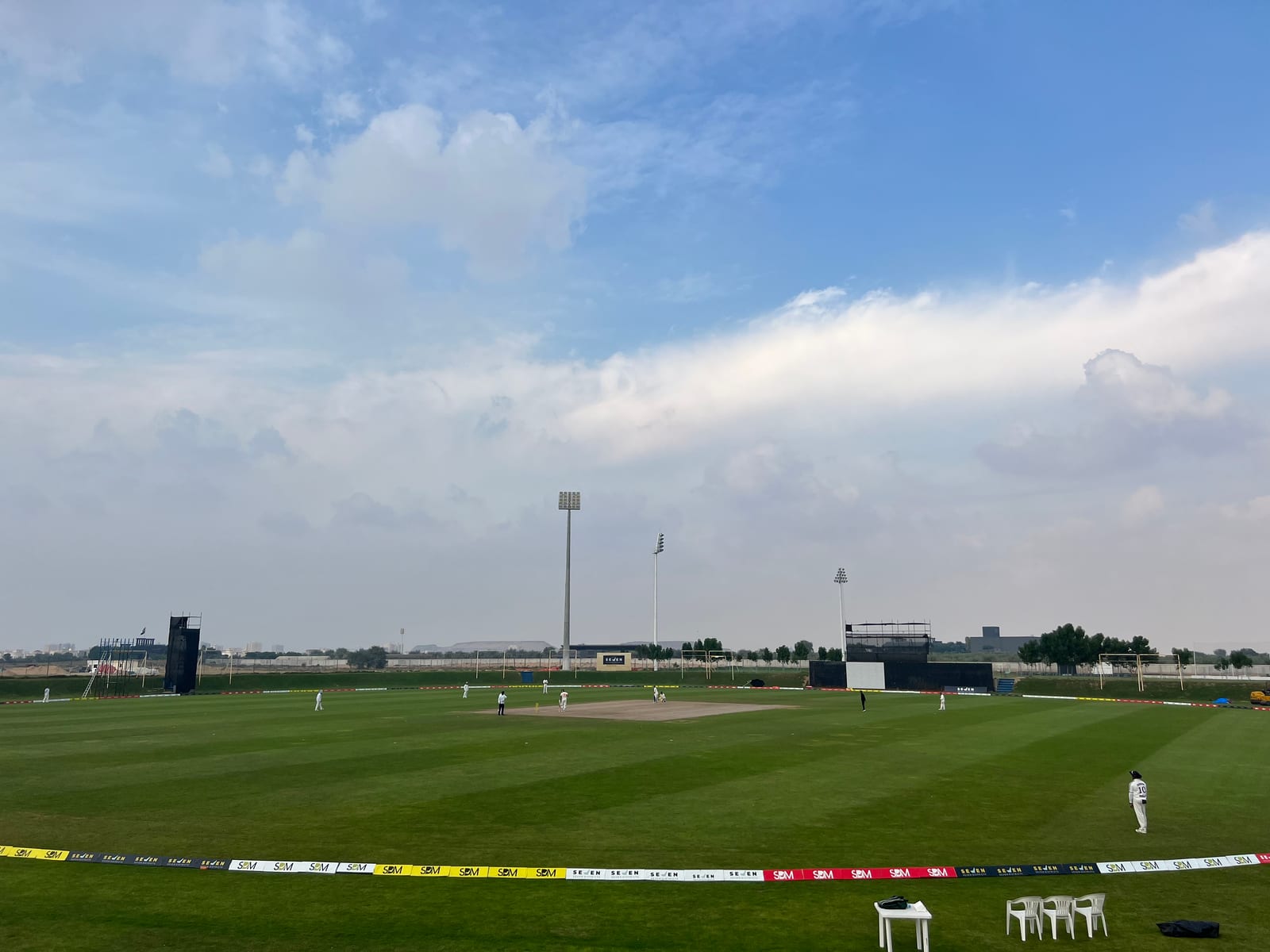
The tournament is scheduled for 12 to 25 November in Ajman in the United Arab Emirates, The Express Tribune reported. It will be a 30-match competition featuring 10 teams split into two groups, with the top three from each group advancing to a Super Six stage. The leading two teams after the Super Six meet in the final on 25 November.
Pakistan are in Group B with Bangladesh, Thailand, the Netherlands and Zimbabwe. Group A contains Sri Lanka, Ireland, Scotland, Papua New Guinea and the host United Arab Emirates. Pakistan’s players assemble in Lahore on 6 November and train there on 7, 8 and 9 November before departing for the UAE.
The field is larger than last year’s. The ICC said eight teams featured in the 2025 edition, which Thailand won, and 10 will compete this time.
Why the captaincy change matters
Muneeba takes over a side that has had a crowded few months. Pakistan reached the semi-finals of the Women’s Asia Cup in early September, then lost to Sri Lanka in the Asian Games semi-final before beating Bangladesh by 31 runs to win the bronze medal in Nisshin, Japan, on 22 September.
Sana’s absence is the most consequential fact in the selection. Pakistan’s regular captain led the side at the Asian Games and has been a front-line medium-fast option, so a first season in the Women’s Big Bash League removes both a leader and a senior bowler from a tournament that runs until 25 November. Muneeba is an experienced hand rather than a stopgap: the ICC noted her four T20I and one ODI appearances as captain, and she is the senior wicketkeeper-batter in a squad that also includes Feroza behind the stumps.
For the selectors, the tournament is also a look at the wider pool. The Super Six format, with four group matches and then three more before a final, offers a longer run of games than a bilateral series, and the recalls of Sadaf and Waheeda bring two players back into the squad. The 10-team field, up from eight in 2025, adds opponents from outside the usual Asian circuit, with the Netherlands and Zimbabwe in Pakistan’s group and Scotland, Ireland and Papua New Guinea in the other.
What is still uncertain
The board did not say who will keep wicket, since both Muneeba Ali and Gull Feroza are listed as wicketkeepers. The make-up of the pace attack is also open: with Sana absent, Tasmia Rubab and Waheeda Akhtar are the only specialist fast bowlers in the 14, which leaves the team management to decide how much of the new-ball work goes to all-rounders.
Pakistan’s group-stage fixtures and the venues within Ajman were not included in Tuesday’s announcement, and broadcast details were not included either. Whether Sana could join the squad later in the tournament is also unresolved; the ICC said only that she is unavailable for this event because of her Big Bash commitments.
The squad’s first competitive answers will come in Ajman, where Pakistan will have to replace Sana’s output with a leadership group that has captained far less international cricket. The final on 25 November is the date the selectors will be judged against, but the more immediate test is how quickly Muneeba’s side settles in its opening group matches.