What the study found
Pakistan’s rapid growth in rooftop solar is shielding the country from the supply disruptions and price shocks caused by the closure of the Strait of Hormuz, according to an analysis published by Renewables First and the Centre for Research on Energy and Clean Air (CREA).
The study said the country has avoided more than $12 billion in oil and gas imports since 2018 that would otherwise have been needed to meet domestic energy demand. At the prices the market expects for this year, it added, Pakistan could save a further $6.3 billion by the end of 2026.
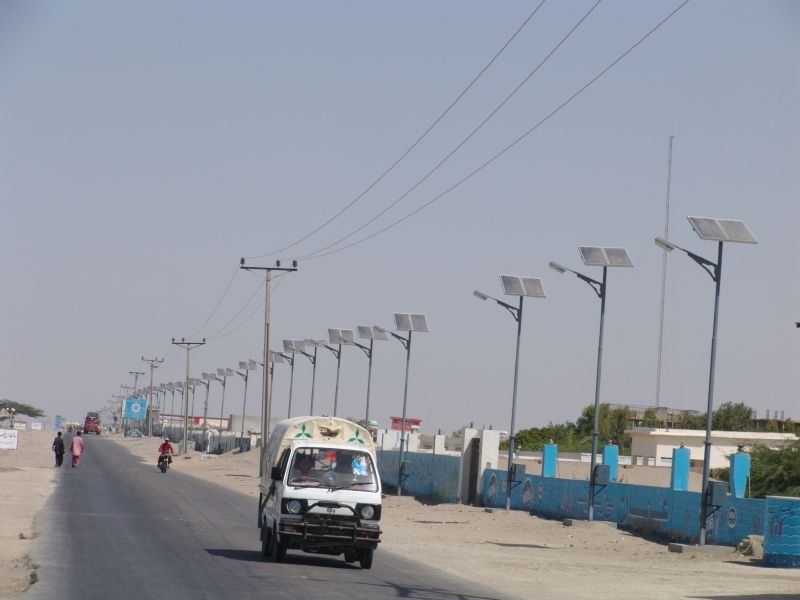
The analysis attributed the shift to market forces and consumers rather than central planning, and credited a zero-rated tax regime on solar photovoltaic imports. Solar imports rose from under 1 gigawatt in 2018 to more than 51 gigawatts by early 2026, one of the fastest consumer-led energy transitions on record, the study said, helping drive a 40 per cent drop in oil and gas imports between 2022 and 2024.
Why it matters now
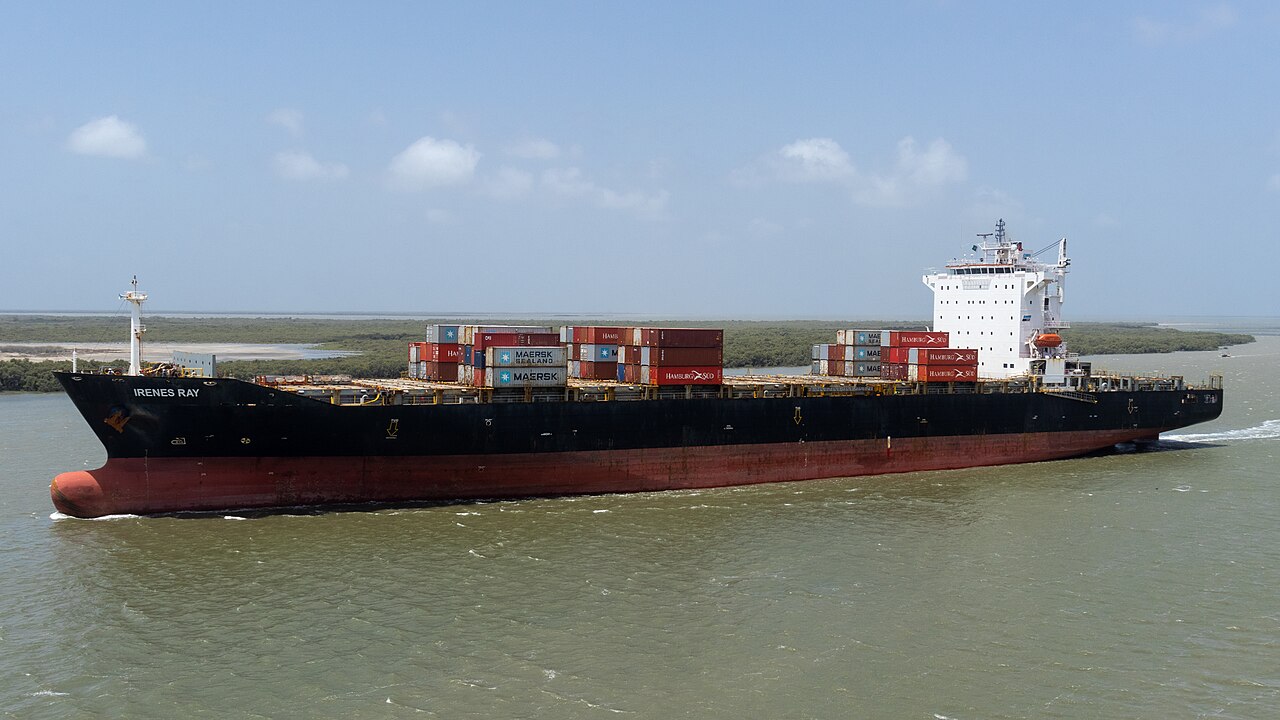
The findings land in the middle of an energy crunch. The government has rationed fuel and cut public spending after the war involving the United States, Israel and Iran pushed crude prices sharply higher and disrupted shipping through Hormuz, a route on which Pakistan depends heavily for petroleum and liquefied natural gas.
Officials have warned that Qatar’s LNG supplies have been suspended and that the country could face a severe gas shortage after 14 April. Against that backdrop, the study argues that distributed solar has become a structural buffer. “This represents not just necessary relief, but a structural reduction in geopolitical risk exposure that no LNG contract or hedging strategy could have delivered at equivalent scale or speed,” it said.
The limits of the cushion
Pakistan remains exposed. The study noted that in 2024 the country still ranked third globally in LNG dependence on Hormuz-transiting cargoes as a share of total consumption, and fifth for oil, meaning a sustained closure of the strait would still send shocks through the energy system.
Lauri Myllyvirta, co-founder of CREA, said Pakistan’s solar boom was acting “like an insurance policy against oil and LNG shocks” in the current crisis. Rabia Babar, energy data manager at Renewables First, said the solar revolution “wasn’t planned in Islamabad — it was built on rooftops” and was now shouldering a growing share of the country’s electricity needs. The study compared Pakistan with China, India and South Korea, which it said were disproportionately exposed to Hormuz disruptions because of their LNG reliance.
What remains uncertain
How quickly solar can offset further supply shocks, and whether the government will keep the tax incentives that fuelled the boom, remain open questions. The analysis also does not resolve how Pakistan will manage the gas shortfall expected after mid-April if Hormuz disruptions persist.
Sources & reporting notes
This is a synthesis of published reporting, not eyewitness reconstruction. Sources were reviewed on 17 March 2026.
- Dawn — "Pakistan's solar boom shielding country from Hormuz disruptions: study"Published 17 March 2026 · The Renewables First and CREA findings, the import-savings figures, the solar growth statistics and the analyst comments.