What happened
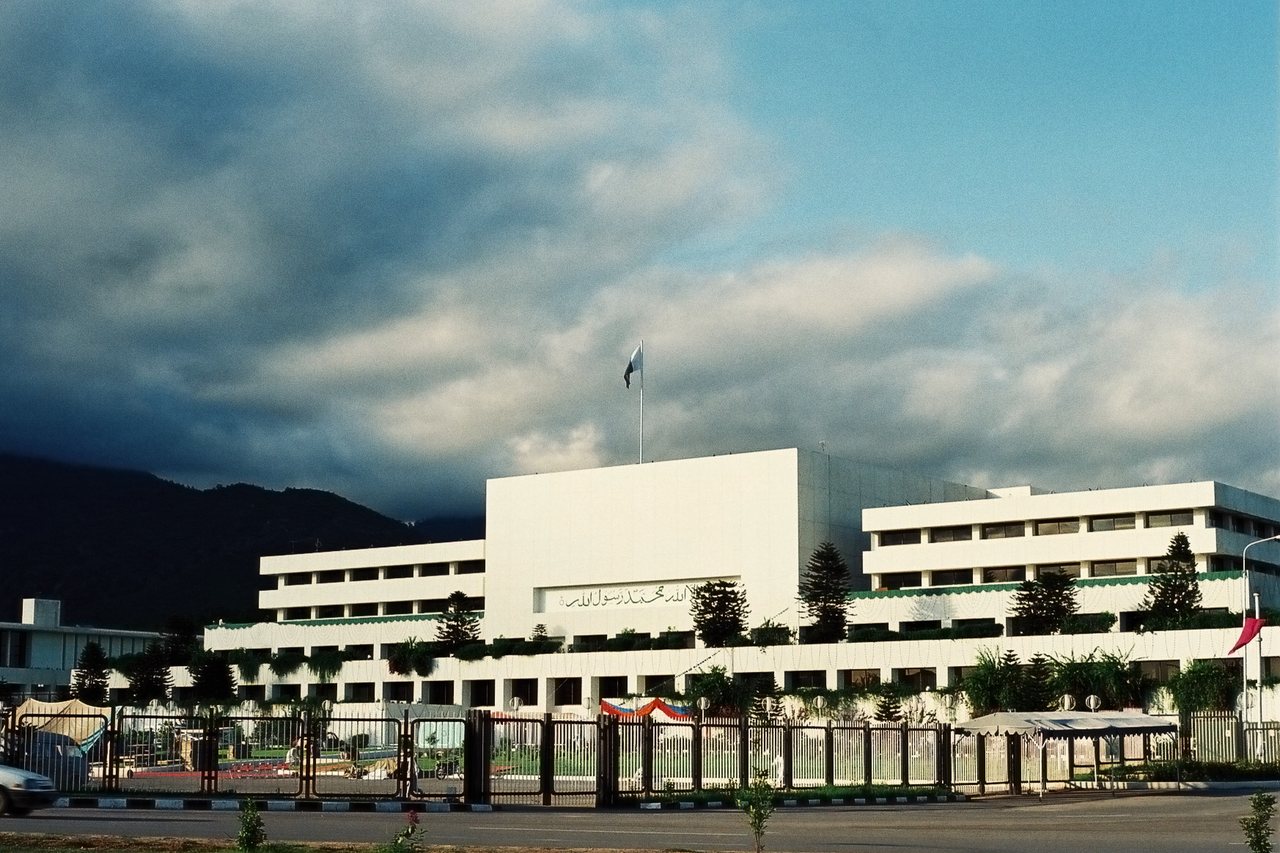
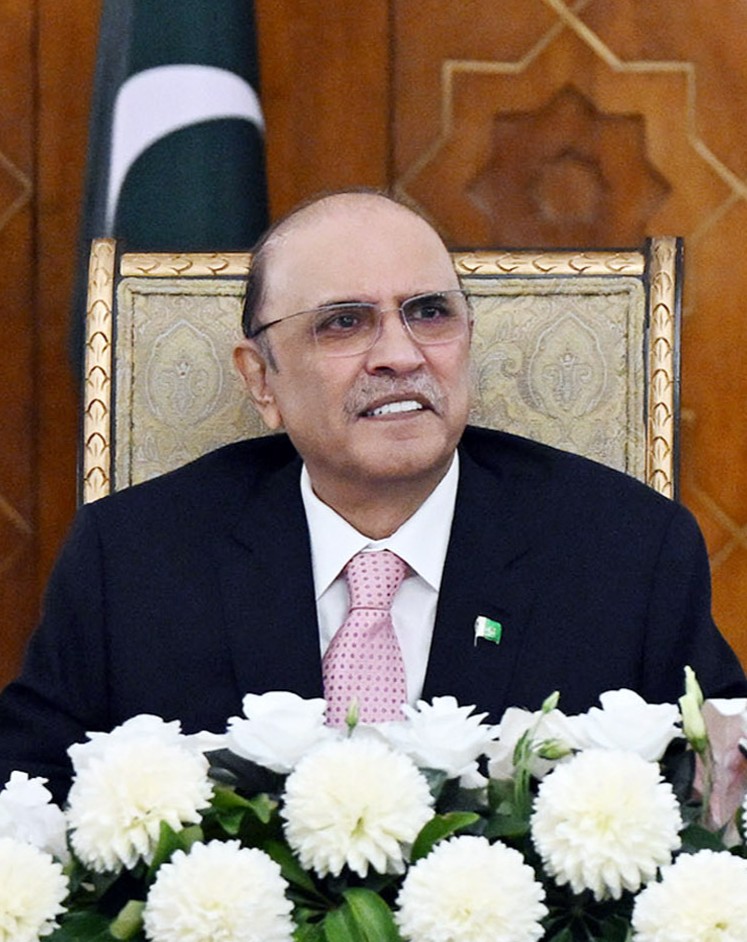
President Asif Ali Zardari approved seven bills passed by Parliament on Monday 26 January 2026, according to a Presidency news release carried by Radio Pakistan and APP, via UrduPoint. The assent completed the legislative process for measures spanning trade, taxation, social protection, education, railways and human rights, the release said. The Nation reported that Parliament had passed the bills in a joint session the previous week.
The seven bills
The Presidency listed the approved legislation as:
- The National Tariff Commission (Amendment) Bill, 2026 — trade
- The Export Development Fund (Amendment) Bill, 2026 — trade
- The Transfer of Railways (Amendment) Bill, 2026 — railways
- The Domestic Violence (Prevention and Protection) Bill, 2026 — social protection
- The Daanish Schools Authority Bill, 2026 — education
- The Income Tax (Amendment) Bill, 2026 — taxation
- The National Commission for Human Rights (Amendment) Bill, 2026 — human rights
The Presidency grouped the seven measures under the six policy headings of trade, taxation, social protection, education, railways and human rights. The list mixes fiscal amendments with institutional and rights measures: two trade-related changes (the National Tariff Commission and the Export Development Fund), an income-tax amendment and a railways amendment, alongside bills touching schools, domestic-violence protection and the national human rights body.
Why it matters
Presidential assent is the final constitutional step before a bill becomes law. Because these measures were passed in a joint sitting of the two houses, the presidency’s approval cleared the last hurdle for all seven at once. The batch follows other legislation moving through Parliament this month, including an elections amendment that lets lawmakers keep asset declarations confidential. Radio Pakistan framed the seven approvals as “completing the legislative process” across the six policy areas named by the Presidency.
What is still uncertain
Neither the Presidency release nor the reports published the operative text of the amendments or their commencement dates. The specific changes each bill makes — the scale of any tariff, export-fund or income-tax adjustment, the scope of the domestic-violence and Daanish Schools provisions, and the powers given to the National Commission for Human Rights — will become clear only as the amendments are notified and the relevant ministries and regulators issue implementing rules.
Sources & reporting notes
This is a synthesis of published material, not eyewitness reporting. Sources were reviewed on 26 January 2026.
- Radio Pakistan — President approves seven bills passed by Parliament26 January 2026 · Primary contemporaneous report of the Presidency announcement: lists all seven bills, states that assent completed the legislative process, and names the six policy areas covered (trade, taxation, social protection, education, railways and human rights).
- APP via UrduPoint — President Asif Ali Zardari approves seven bills passed by Parliament26 January 2026 · Independent agency report carrying the same Presidency news release; used to confirm the exact titles of the seven bills.
- The Nation — President approves seven bills passed by Parliament27 January 2026 · Reports the same assent and adds that Parliament had passed the bills in a joint session the previous week.