What happened on 10 January 2026
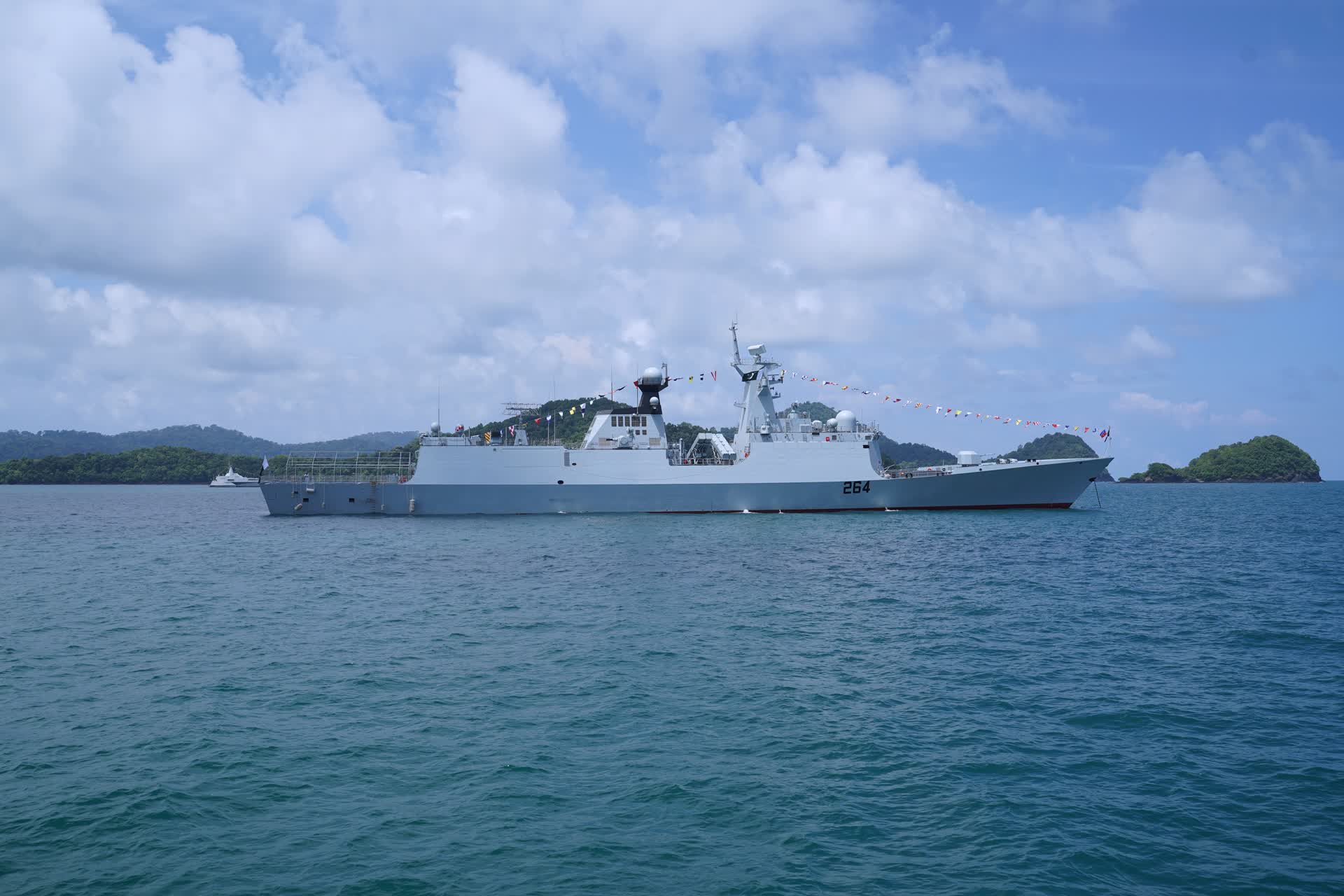
The Pakistan Navy conducted a “comprehensive exercise” in the north Arabian Sea on 10 January 2026 in which it successfully fired a LY-80 (N) surface-to-air missile from a vertical launching system at extended range, the military’s media wing said in a statement reported by Dawn. The Inter-Services Public Relations (ISPR) press release on the exercise, carried the same day, said the missile “successfully engaged and neutralised an aerial target, demonstrating Pakistan Navy’s robust air defence capabilities”. Pakistan Fleet Commander witnessed the exercise, and Chief of the Naval Staff Admiral Naveed Ashraf commended the officers on their “professionalism and operational competence”.
The exercise included more than the missile firing. According to the ISPR statement, the Navy also carried out live engagement of surface targets with a loitering munition, which it said “successfully engaged and destroyed surface targets”. Open-sea trials of an unmanned surface vessel validated the platform’s ability to “combine high-speed performance with mission-critical durability”, with the navy citing “extreme manoeuvrability, precision navigation and weather resilience” as key demonstrated features. The ISPR framing placed the three events — LY-80N firing, loitering munition, unmanned surface vessel trials — under a single “comprehensive exercise” banner intended to show “operational readiness and combat preparedness … showcasing both conventional and unmanned capabilities, as per dictates of evolving naval warfare”.
The 10 January announcement fell on a Saturday, and Dawn’s report treated the statement as the day’s principal defence-related development. The same Dawn archive for 10 January also carried separately the start of the 13th Pakistan–US bilateral joint counter-terrorism exercise “Inspired Gambit 2026” at the National Counter Terrorism Centre in Pabbi (Kharian), and the Iraqi Air Force Commander’s expression of “keen interest” in JF-17 Thunder jets during a visit by Air Chief Marshal Zaheer Ahmed Baber Sidhu. Dawn’s 10 January survey of Pakistan arms-export deals since the May 2025 conflict with India recorded the LY-80N firing implicitly as part of the same week of naval capability statements that officials were using to market the country’s defence industry abroad.
The LY-80N and the platform that fires it
The LY-80N is the export naval variant of China’s HQ-16 family of medium-range surface-to-air missiles, and the Pakistan Navy is its only confirmed operator outside the People’s Liberation Army. The Wikipedia article on the HQ-16 records that the LY-80 land-based variant entered service with the Pakistan Army in March 2017 after Pakistan negotiated the purchase in 2015, and that the export naval variant LY-80N is held by the Pakistan Navy. The HQ-16 family is derived from earlier versions of the Russian Buk missile system and was developed by the Shanghai Academy of Spaceflight Technology.
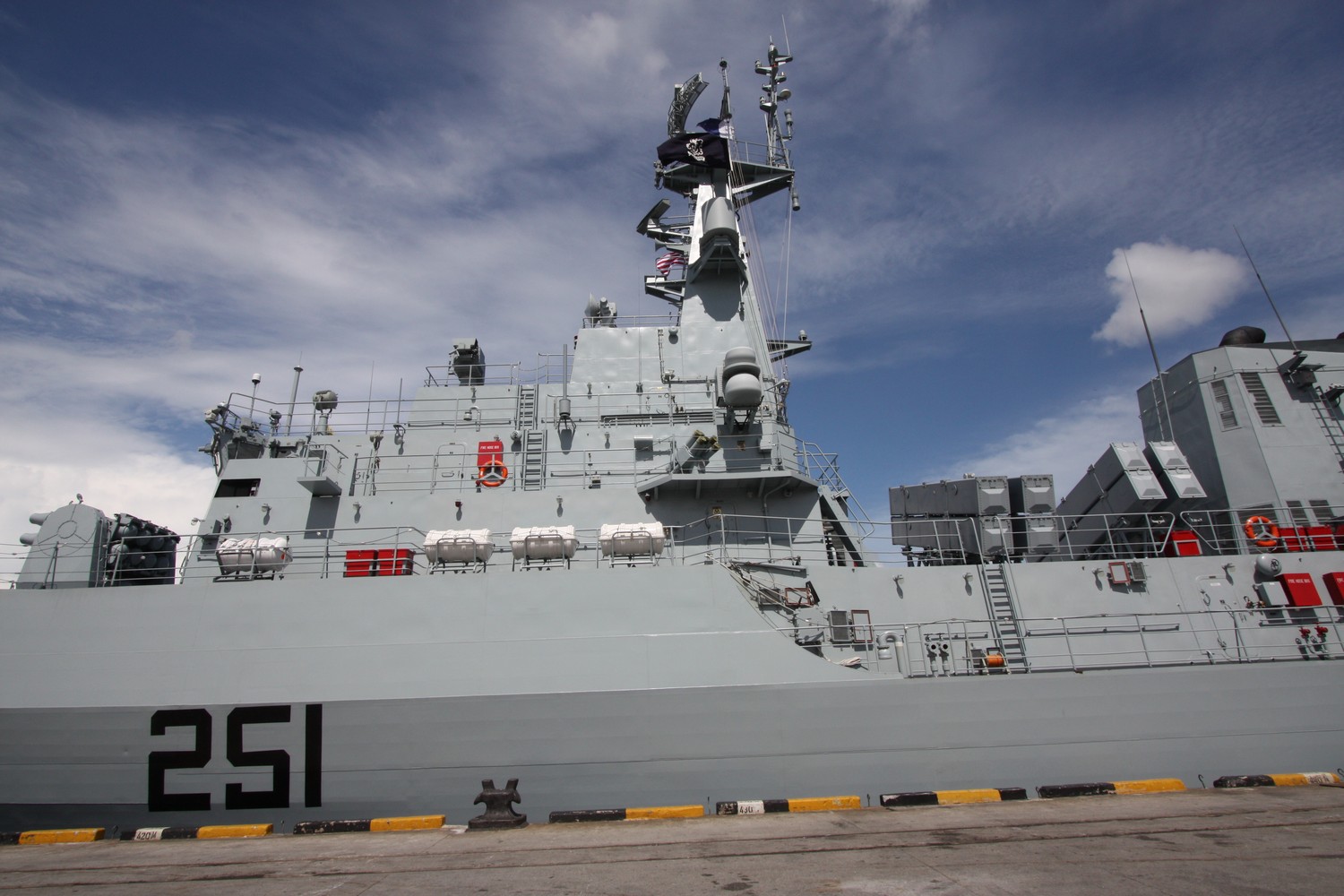
The platform that carries the LY-80N in Pakistan Navy service is the Type 054A/P Tughril-class guided-missile frigate, four of which were ordered in 2017–2018 from Hudong–Zhonghua Shipbuilding and commissioned between 24 January 2022 (PNS Tughril, F-261) and 10 May 2023 (PNS Tippu Sultan and PNS Shah Jahan). The Wikipedia article on the Tughril-class frigate confirms the Type 054A/P is fitted with a vertical launching system for the LY-80N (designated HHQ-16 in Chinese service) and that the frigate “form[s] the mainstay of the Pakistan Navy’s active naval fleet”. All four Tughril-class hulls were listed as active in the Tughril-class table. The Pakistan Navy has separately recorded that in 2025 it test-fired the P282 SMASH anti-ship ballistic missile from a Tughril-class hull.
What the exercise was designed to demonstrate
ISPR’s 10 January statement framed the LY-80N firing as a validation of the long-range air-defence capability of the Pakistan Navy’s modern surface combatants, and placed the loitering munition and unmanned surface vessel trials inside the same demonstration. The wording of the ISPR release — “Pakistan Navy demonstrated its operational readiness and combat preparedness through a comprehensive exercise in the north Arabian Sea, showcasing both conventional and unmanned capabilities, as per dictates of evolving naval warfare” — is the same kind of language the military has used in previous fleet exercises to mark capability milestones rather than routine patrols. The inclusion of loitering munitions and unmanned surface vessels in the same drill signalled that the navy wanted the 10 January event to be read as a tri-service surface picture, not just a single missile firing.
The Pakistan Fleet Commander witnessing the exercise, and Admiral Naveed Ashraf’s on-the-record commendation of officers’ “professionalism and operational competence”, is the standard ISPR framing for capability demonstrations. Ashraf’s reiteration that the navy is committed to “ensure seaward defence of Pakistan and safeguard national maritime interests under all circumstances” echoed the language the service has used since the May 2025 conflict with India.
What is verified
Three core facts are independently anchored by the day’s primary record and the Dawn report. The ISPR statement carried by Dawn reported the LY-80 (N) live firing from a vertical launching system at extended range; the engagement of surface targets by a loitering munition; and the open-sea trials of an unmanned surface vessel. The ISPR text and Dawn’s 10 January article agree on the headline facts of the exercise, the weapon systems used, and the senior officers who witnessed or commented on it. The Wikipedia HQ-16 article confirms independently that LY-80N is the Pakistan Navy’s export naval surface-to-air missile and that the system was acquired under Pakistan’s 2015 negotiations, while the Tughril-class frigate article confirms that the Type 054A/P frigate is the platform fitted with the LY-80N vertical launching system and that all four hulls were active at the time of the report.
What remained open on 10 January
Several questions were not answered by the day’s coverage. ISPR did not identify which of the four Tughril-class frigates carried out the LY-80N firing, the location of the firing within the north Arabian Sea, or the identity of the aerial target used in the engagement. The exercise description did not state whether other platforms — corvettes, fast attack craft, submarines, or maritime patrol aircraft — participated, nor whether the loitering munition and unmanned surface vessel trials were conducted by the same hull or by separate units. The Pakistan Navy did not publish a post-exercise readout identifying the drone type used as the target, the range at which the LY-80N engaged it, or the salvo size. The Dawn article carried no on-the-ground reporting or independent witness statements.
The 10 January Dawn archive also did not include a wire-side confirmation of the LY-80N firing from an outlet other than Dawn or ISPR. Reuters, AP, AFP and BBC coverage of the event was not in the day’s English-language Pakistan coverage reviewed. The Pakistan Navy’s own website (paknavy.gov.pk) was not, on 10 January, returning a publicly accessible news page for the exercise beyond the standard homepage banner.
Why the firing matters for Pakistan
The LY-80N firing is the most concrete publicly disclosed validation of the Tughril-class air-defence system in a year in which the Pakistan Navy has positioned itself as the third leg of a battle-tested military sales pitch. Defence Minister Khawaja Asif told Geo News earlier the same week, as Dawn recorded in its 10 January arms-export survey, that “our aircraft have been tested, and we are receiving so many orders that Pakistan may not need the International Monetary Fund in six months”. The naval announcement, the Iraqi air chief’s interest in the JF-17, and the Pakistan–US counter-terrorism exercise at Pabbi were, in Dawn’s framing of the week, components of the same public narrative. In the preceding days, the Pakistan Air Force had flight-tested the indigenously developed Taimoor air-launched cruise missile, and Bangladesh’s air chief had held defence cooperation talks at GHQ and Naval HQ.
For Pakistan, the underlying capability is narrowly defined. The Tughril-class frigates are the only hulls in the fleet that can fire the LY-80N, and the firing of 10 January was the first publicly disclosed live engagement of the missile from a Tughril-class VLS in 2026. The exercise took place in the north Arabian Sea — the Pakistan Navy’s primary operating area, and the same waters in which the Pakistan Fleet routinely exercises with foreign navies. The pairing of the LY-80N firing with loitering munition engagement and unmanned surface vessel trials indicates the Navy is moving to a posture in which the Tughril-class hulls work alongside both crewed and uncrewed strike assets, although the 10 January statement did not specify which uncrewed systems are organic to the frigates.
The wider question — whether the LY-80N firing translates into orders for Pakistan’s shipyards or missile industry — was not answered on 10 January. The ISPR statement did not announce any export interest in the LY-80N itself, and Dawn’s arms-export survey recorded ongoing discussions over JF-17s and Super Mushshak trainer aircraft, not over the LY-80N or its variants. As of 10 January, the firing was a domestic capability demonstration whose export consequence, if any, had not been disclosed.
.jpg)