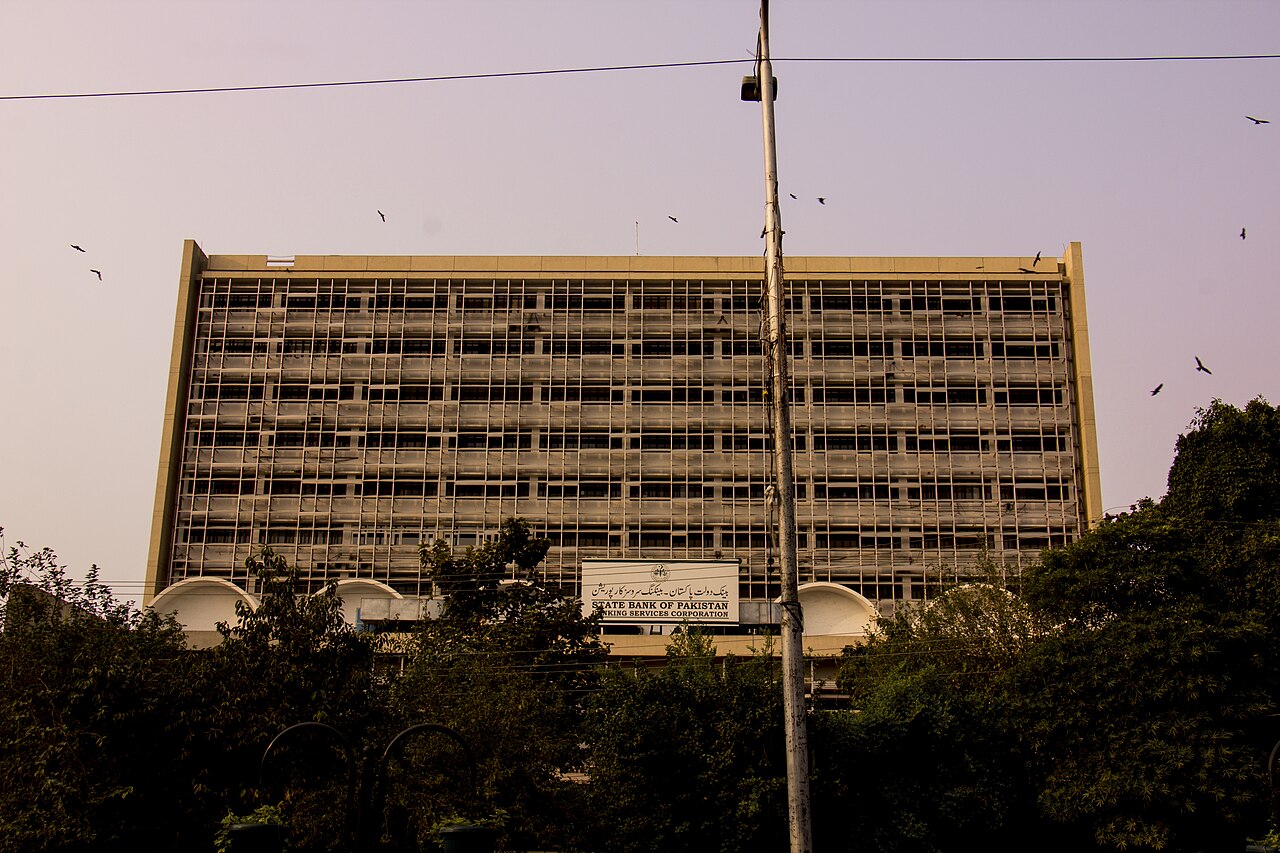
Reporting snapshot · 18 March 2026. The framework was agreed at a joint interior-finance meeting and announced through a ministry statement; no arrests or named targets were disclosed.
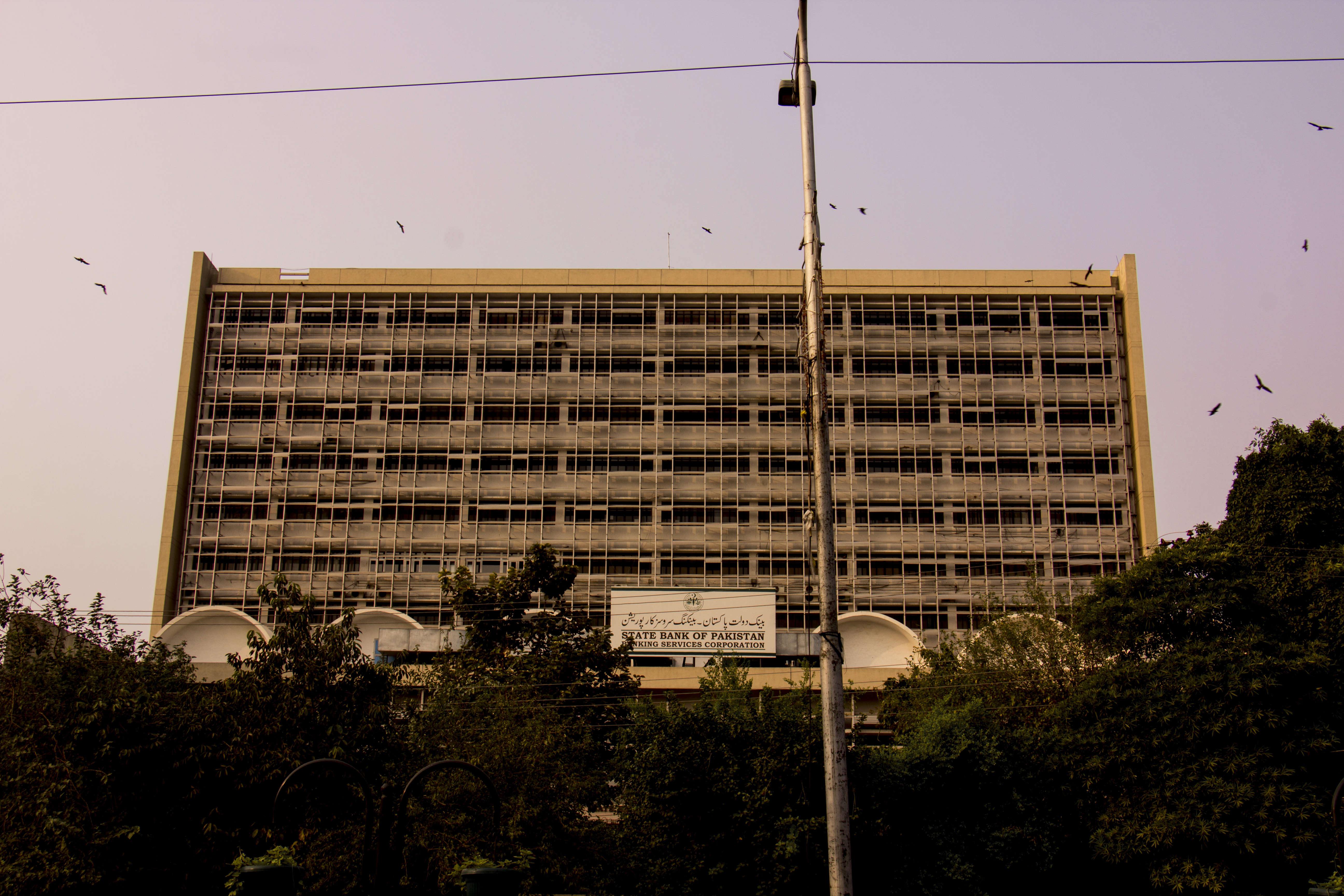
What happened
Pakistan’s interior and finance ministries have approved a nationwide crackdown on money laundering and on the hawala and hundi networks that move funds outside the formal banking system.
The decision was taken at a joint meeting chaired by Interior Minister Mohsin Naqvi and Finance Minister Muhammad Aurangzeb, and announced in a ministry statement reported on 18 March 2026. The Federal Investigation Agency’s director general, Dr Usman Anwar, the State Bank of Pakistan governor and the federal finance secretary attended.
Under the framework, authorities resolved to take strict action against business figures and institutions found to be transferring funds abroad through illegal channels, and said no leniency would be shown to individuals or entities engaged in money laundering or hawala-hundi operations. The statement said funds may only be sent overseas through the banking system and other legal channels, and that the process of sending money abroad through exchange companies will be streamlined so the remittance mechanism is made “transparent and foolproof”.
A joint working group of the State Bank of Pakistan and the FIA will be formed to review progress and maintain constant coordination on illegal financial flows. The central bank governor briefed the meeting on the existing system for transferring funds through banking channels.
Why it matters
Hawala and hundi are informal value-transfer arrangements that settle transactions through trusts and brokers rather than regulated banks. For Pakistan they matter because money that leaves through such channels bypasses the foreign-exchange system, depriving the state of reserves and leaving few traces for anti-money-laundering supervision.
The government’s emphasis on “big money launderers” and an exchange-company overhaul signals that the crackdown is aimed at the middlemen who convert and move cash, not only at individual customers. Formalising those flows is also a recurring expectation of international financial watchdogs, making the decision as much about Pakistan’s standing in global anti-money-laundering assessments as about domestic enforcement.
What is still uncertain
The statement did not name targets, give figures for the volume of illicit flows, or set a timeline for the working group to report. It also did not say whether penalties, prosecutions or asset freezes are planned, which means the practical effect depends on how aggressively the FIA and the State Bank act once the group begins its reviews. Officials have previously promised similar crackdowns, so the announcement’s significance will rest on enforcement rather than on the framework itself.
Sources & reporting notes
This is a synthesis of published material, not eyewitness reporting. Sources were reviewed on 19 March 2026.
- Dawn — "Massive crackdown on money launderers across the country"Published 18 March 2026 · What this source supports: the ministry statement, the joint interior-finance meeting, the composition of the working group, and the decision that funds may only move through legal channels.
- Geo News — "Pakistan launches major crackdown against money laundering, hawala-hundi networks"Published 17 March 2026 · What this source supports: the meeting's decisions on exchange companies, the "big money launderers" wording, and the SBP governor's briefing.