What Pakistan asked for
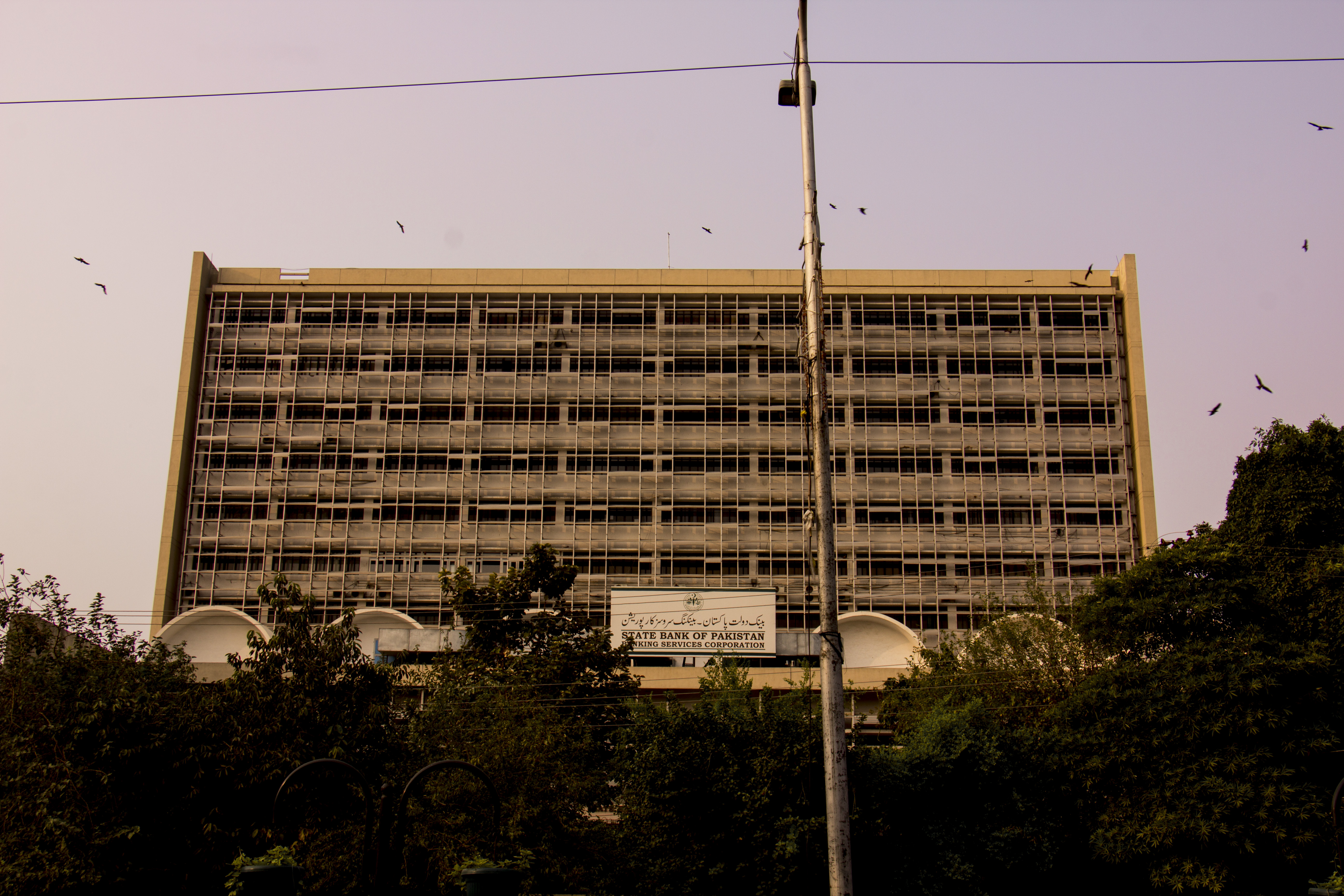
Pakistan has made eight requests to Saudi Arabia under a long-term economic cooperation framework, including converting existing short-term Saudi deposits of $5 billion held with the State Bank of Pakistan into a 10-year facility and enlarging the deferred-payment oil facility from $1.2 billion to $5 billion, according to official sources cited by Geo News. The report, published on 9 March 2026, said the requests were driven by Pakistan’s worsening external position as the US-Israel-led war against Iran disrupts energy markets.
Under the first request, the existing $5 billion in Saudi deposits lying with the State Bank would be turned into a long-term 10-year facility with favourable pricing. The second would increase in the oil facility on deferred payment from $1.2 billion to $5 billion, with the repayment tenor extended from one year to three years so that each tranche is repaid after three years. The third seeks the securitisation of the roughly $10 billion in remittances sent home by the Pakistani diaspora, a step the report said could boost foreign exchange reserves and reduce costly foreign borrowing.
The remaining requests, as listed by Geo News, are: a Saudi guarantee for any new international Sukuk issuance to help Pakistan raise capital at lower rates; a concessional credit line for Pakistan’s newly established EXIM Bank; a waiver of bank guarantee requirements for import-related transactions with Pakistan; possible investment through Saudi Arabia’s Public Investment Fund; and Saudi help in adjusting Pakistan’s primary surplus targets under its IMF programme to accommodate proposed tax rationalisation. The report said the Saudi response to the eight requests could not be immediately ascertained, and that neither the Ministry of Finance nor the State Bank had replied to questions.
Why it matters
The requests show how quickly the war has reshaped Pakistan’s external financing strategy. With oil prices spiking and shipping disrupted, Islamabad is asking its Gulf partners to convert short-term support into longer, cheaper and more predictable facilities, and to open new channels — remittance securitisation, Sukuk guarantees and EXIM Bank credit — that could ease pressure on reserves without adding expensive market debt. The move runs in parallel with Pakistan’s negotiations with the International Monetary Fund for completion of the third review under its $7 billion Extended Fund Facility. The report’s sources said Pakistan and Saudi Arabia had already been negotiating a broader economic cooperation package before the escalation, which had given the talks new impetus.
What is still uncertain
The scale and timing of any Saudi response were unknown on 9 March. The report did not say whether the requests were made formally in writing or at which level, and it did not describe the terms that Riyadh might attach to an expanded oil facility or a deposit conversion. It is also unclear how securitising remittances would work in practice, or how a change to primary surplus targets would be received by the IMF. The finance ministry’s comment was still pending at the time of publication.
Sources & reporting notes
This is a synthesis of published material, not eyewitness reporting. Sources were reviewed on 9 March 2026.
- Geo News — Pakistan seeks Saudi Arabia's $5bn oil facility, $5bn deposit rollover for 10 yearsPublished 9 March 2026 · Primary: the report by Mehtab Haider listing the eight requests to Riyadh, including the $5bn deposit conversion, the enlarged deferred oil facility, remittance securitisation, the Sukuk guarantee, the EXIM Bank credit line and the IMF primary-surplus point, and noting that the Saudi response and a finance ministry comment were pending.