Reporting snapshot · 20 November 2026. The forum runs until 22 November, and no bilateral meeting or joint statement has been announced. Malik's sideline schedule, and any contacts with Indian officials beyond the multilateral sessions, may still change.
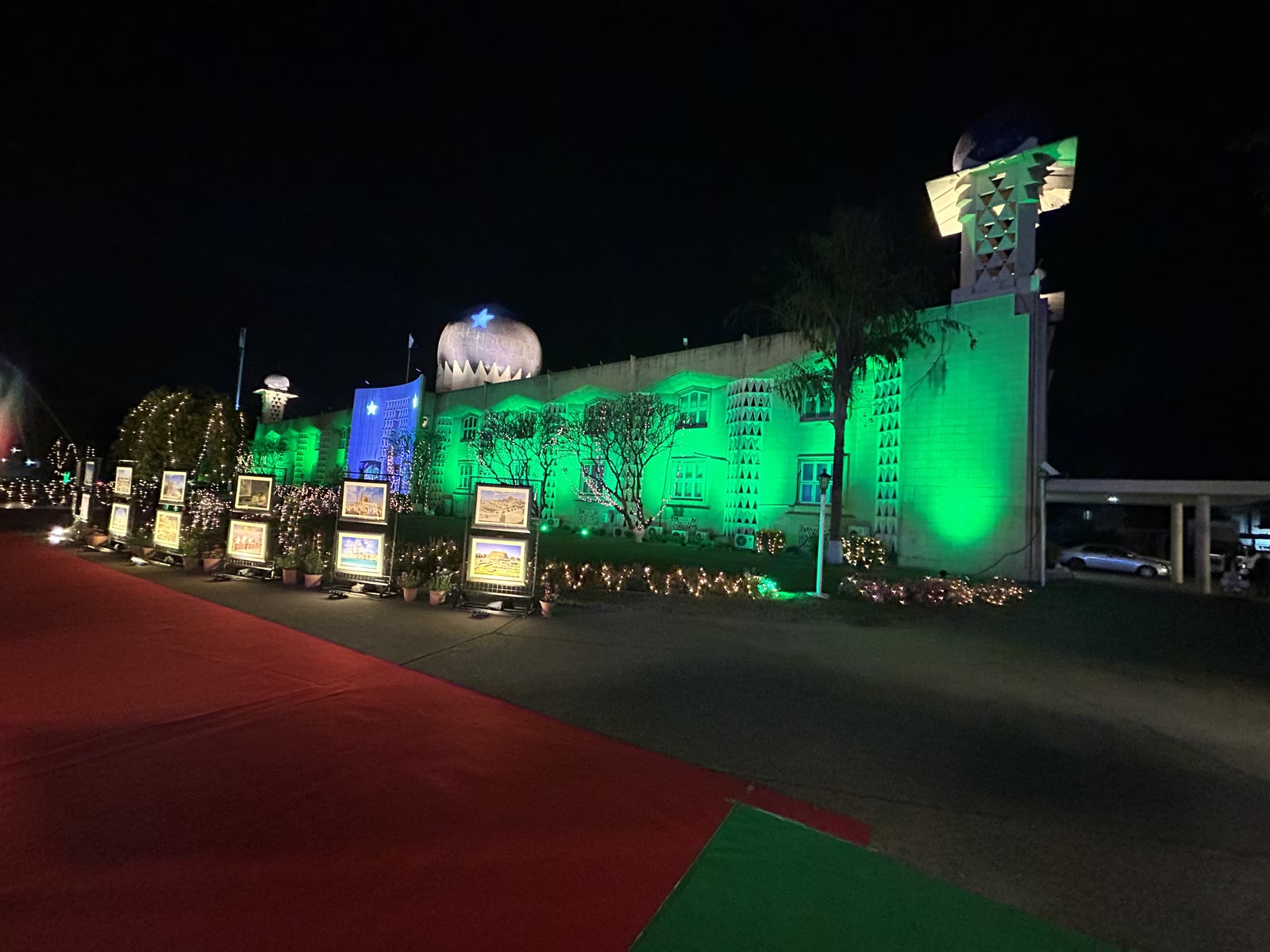
Pakistan’s climate change minister, Musadik Masood Malik, is leading the country’s delegation to the Shanghai Cooperation Organisation’s Civilisational Dialogue in New Delhi, which opens on Friday, the first visit by a Pakistani federal minister to India since May 2023. Pakistan’s Foreign Office said on 14 November that Malik, the federal minister for climate change and environmental coordination, had been nominated to represent the country at the event, which runs from 20 to 22 November and brings together representatives of SCO member states to discuss cultural understanding and people-to-people contacts (Foreign Office).
The trip is diplomatically unusual, but it is not a resumption of bilateral engagement. It is the first visit by a Pakistani federal minister to India since Bilawal Bhutto Zardari travelled to Goa for an SCO foreign ministers’ meeting in May 2023, and the first since the two nuclear-armed neighbours fought a four-day conflict in May 2025, according to The Express Tribune.
A forum proposed at the Tianjin summit
The Civilisational Dialogue was proposed by Indian Prime Minister Narendra Modi at the SCO summit in Tianjin in September 2025. As host, India invited all member states to the inaugural gathering, which is being held under the group’s cultural and people-to-people agenda rather than its security or economic tracks (DW).
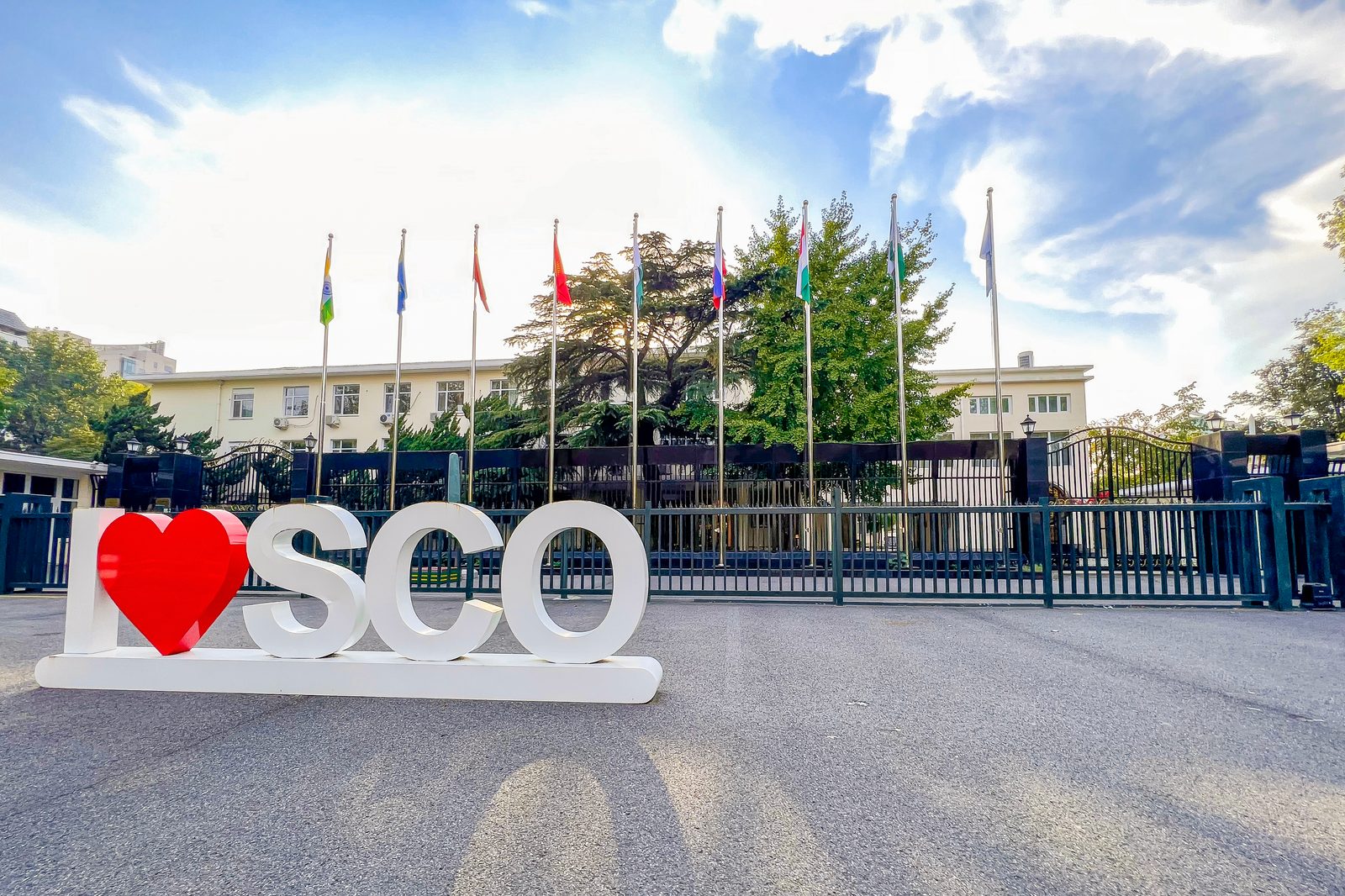
The SCO is a political, economic and security grouping founded in 2001. Its current members are Belarus, China, India, Iran, Kazakhstan, Kyrgyzstan, Pakistan, Russia, Tajikistan and Uzbekistan. Pakistan is one of the group’s ten members, and the forum gives Islamabad a multilateral setting in which to appear in Delhi without framing the visit as a bilateral concession.
That distinction matters to both governments. India has invited Pakistan in its capacity as an SCO member, not as part of a renewed peace process. Pakistan has accepted on the same basis, sending a senior cabinet minister rather than a special envoy. The visit therefore tests whether the two sides can manage a contained, protocol-driven engagement while their broader relationship remains frozen.
Why the visit is not a thaw
India’s position on Pakistan has not changed. Randhir Jaiswal, a spokesperson for India’s external affairs ministry, said in late October that New Delhi’s Pakistan policy remained in place and that there had been no change since the Pahalgam attack (DW).
That attack, in April 2025, killed more than two dozen tourists, most of them Hindus, in India-administered Kashmir. New Delhi blamed Islamabad; Pakistan denied involvement. India downgraded diplomatic ties, placed the Indus Waters Treaty in abeyance and halted several bilateral engagements. Pakistan responded by suspending trade and closing its airspace to Indian aircraft (The Express Tribune).
The visit has also become a domestic political argument in India. Opposition Congress leaders, including Manish Tewari and former foreign minister Salman Khurshid, have questioned Modi’s decision to invite a Pakistani minister, asking what has changed since the Pahalgam attack to justify the engagement, The Express Tribune reported.
Analysts interviewed by DW described the trip as a modest, procedural step rather than a diplomatic opening. Ayesha Siddiqa, a Pakistan specialist at King’s College London, said Islamabad’s decision should be read primarily as Pakistan fulfilling its commitments under the SCO Charter and preserving its role in the organisation, not as a gesture towards India. T C A Raghavan, a former Indian ambassador to Pakistan, said the visit should be seen in the context of the SCO and that it would have “no real impact on the India-Pakistan bilateral”.
Ajay Bisaria, another former Indian ambassador to Pakistan, said the significance lay in the fact that neither side had tried to avoid the engagement. “The real takeaway is that the relationship isn’t so broken that India won’t invite Pakistan, or that Pakistan won’t come. That alone is a good sign,” he told DW. But he cautioned that the trigger was procedural and that he saw no evidence of a back channel or outside mediation.
Pakistan’s chairmanship is the immediate stake
Pakistan currently chairs the SCO Council of Heads of State for 2026-27 and is due to host the next leaders’ summit in Islamabad in August 2027. Its participation in Delhi is therefore also about preserving influence inside the grouping and keeping its chairmanship programme on track (KhabarWire’s SCO hub).
KhabarWire reported in October that India’s SCO national coordinator, Alok Dimri, attended a meeting of the council of national coordinators in Islamabad and warmly greeted Foreign Minister Ishaq Dar, even as the two countries traded barbs at the United Nations General Assembly. That exchange showed that the SCO channel has remained usable while the bilateral relationship has not (KhabarWire). The same logic applies to Malik’s visit: it keeps a line open without requiring either government to announce a dialogue.
Malik is also a pointed choice for a visit that touches on water. As climate change minister, he has been one of Pakistan’s most prominent voices on the Indus Waters Treaty. In June, he warned that Pakistan would defend its share of the river system, saying: “We will protect ourselves… if anyone lays a hand over our share of water, we’ll cut off that hand” (DW). Pakistan has continued to press India over the treaty’s suspension at international forums, including at a conference in Dushanbe in May (KhabarWire).
There is no indication that Malik will raise the water dispute in a bilateral setting in Delhi, because no bilateral meeting has been announced. The announced programme is a multilateral one.
What would count as a real opening
The forum’s immediate test is procedural: whether the Pakistani delegation participates without incident and whether the visit passes without either side using it for domestic political messaging. A larger test lies further ahead. Bisaria said the next step depends on Pakistan avoiding “grandstanding” in Delhi and offering credible assurances on terrorism, publicly or quietly. If that happens, he said, it becomes more likely that Indian leaders will attend the SCO summit in Islamabad in 2027.
For now, the visit is a scheduled multilateral engagement that has acquired outsized attention because the bilateral relationship produces so little contact. It does not restore trade, air links, diplomatic normalisation or a dialogue process. It does keep Pakistan inside an organisation it chairs, and it is set to put a Pakistani minister on Indian soil for the first time in more than three years.
Pakistan’s Foreign Office framed the participation as part of its commitment to promoting dialogue among civilisations and fostering people-to-people contacts within the SCO framework. Whether that framing survives the next three days without a political row, or a diplomatic incident, is the more immediate question.